
Cusco Tourist Ticket: How to Make the Most of It in One Day (2027 Guide)
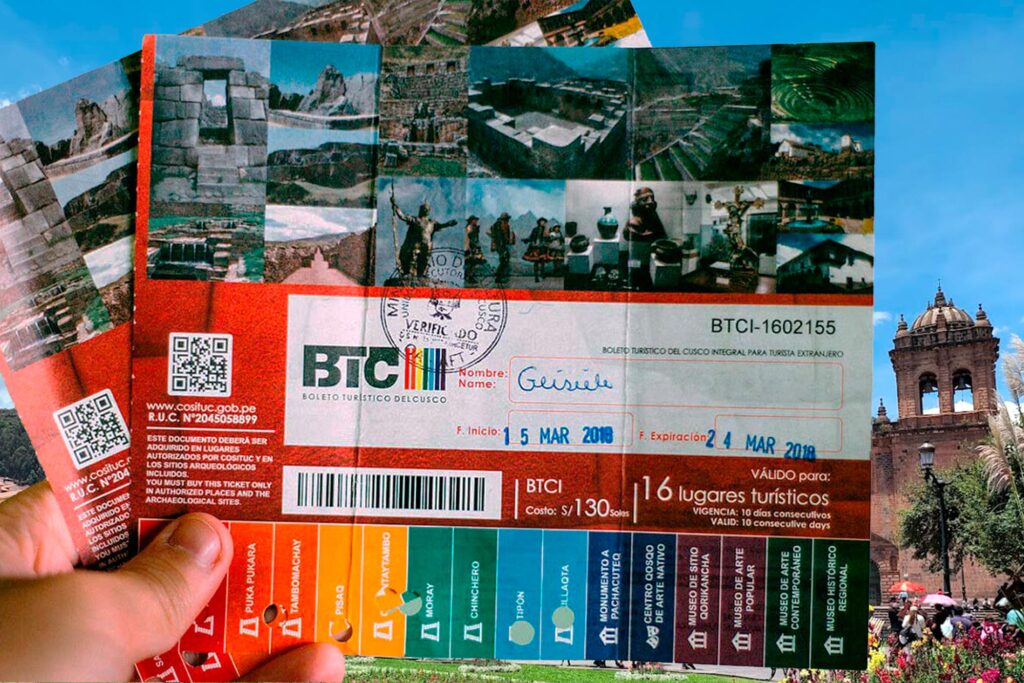
Cusco Tourist Ticket: How to Make the Most of It in One Day (2027 Guide) How to Make the Most of Your Tourist Ticket in One Day in Cusco If you have only one free day in Cusco, make every moment count. One of the best ways to explore the city and its history is by using the Cusco Tourist Ticket (Boleto Turístico), which gives you access to some of the most important museums, monuments, and archaeological sites in the region — all in one purchase. Here is how to make the most of it in a single day. What is the Cusco Tourist Ticket? The Boleto Turístico is an all-in-one entry pass that includes access to 16 attractions in and around Cusco. It is issued by COSITUC and there are two main versions: General Tourist Ticket: valid for 10 days, gives access to all 16 sites. Partial Tourist Ticket: valid for 1 or 2 days, split into 3 circuits depending on which attractions you want to focus on. The ticket must be purchased in person at the official COSITUC office, at some tourist information points, or at the entrance of certain sites. Attractions included within the city If you plan to use your Tourist Ticket in a single day inside Cusco, focus on these highlights: Qorikancha Site Museum: the history of the Temple of the Sun and its transformation after the Spanish conquest. Popular Art Museum: a journey through the talent and creativity of Cusco’s artisans. Regional Historical Museum: learn about Cusco’s evolution from pre-Inca times to today. Contemporary Art Museum: perfect for lovers of modern Peruvian art. Qosqo Native Art Center: enjoy a live performance of traditional Andean dances. Pachacútec Monument: climb to the top for a spectacular panoramic view of the city. Ideal one-day itinerary in Cusco If your time is limited, we recommend the following flow: Morning: visit the Qorikancha Site Museum and the Regional Historical Museum to immerse yourself in the history of the imperial city. Then head up to the Pachacútec Monument for panoramic views. Midday: have lunch at a traditional restaurant and try local specialties like cuy al horno (roasted guinea pig) or lomo saltado. Afternoon: explore the Popular Art Museum or the Contemporary Art Museum. End the day with a traditional dance performance at the Qosqo Native Art Center. Practical tips before you go Bring your passport or ID: required at the time of purchase and at every site entrance. Discounts: students under 25 with a valid ISIC card qualify for reduced rates. Cash preferred: although some points accept cards, cash in soles is always safer. Check opening hours: museums typically open from 8:00 a.m. to 5:00 p.m.; some close for a midday break. Wear comfortable shoes: Cusco’s cobblestone streets and steep hills demand it. Don’t let your Tourist Ticket go to waste The Boleto Turístico gives you access to incredible attractions that combine Inca heritage, colonial history, and living Andean culture. If you have more than one day, consider extending to the outer circuit and visiting the archaeological sites of the Sacred Valley — Pisac, Ollantaytambo, Chinchero, and Moray — all included in the General Ticket. Ready to explore Cusco? Contact our team at Incari Travel and we will help you organize the perfect itinerary. VIP Access Special Offers Unlock exclusive discounts on Cusco treks, complimentary luxury hotel upgrades, and tailored family packages for your upcoming adventure in Peru. Book Now THE BEST TOURS IN SOUTH AMERICA A curated selection of experiences in Peru, Bolivia, Argentina, Colombia, and the Dominican Republic. Discover fully customizable trips, crafted by local experts and backed by our clients’ reviews 15 Days Andean Peru Machu Picchu, Nazca Lines, Colca Canyon, Cusco and the Sacred Valley. Discover Route 11 Days Majestic Peru Machu Picchu, Huacachina Oasis, Cusco and the waters of Lake Titicaca. Discover Route 9 Days Peruvian Journey A deep dive through Machu Picchu, Cusco and Lake Titicaca. Discover Route
Cusco and Machu Picchu in 7 Days: The Perfect Week-Long Itinerary
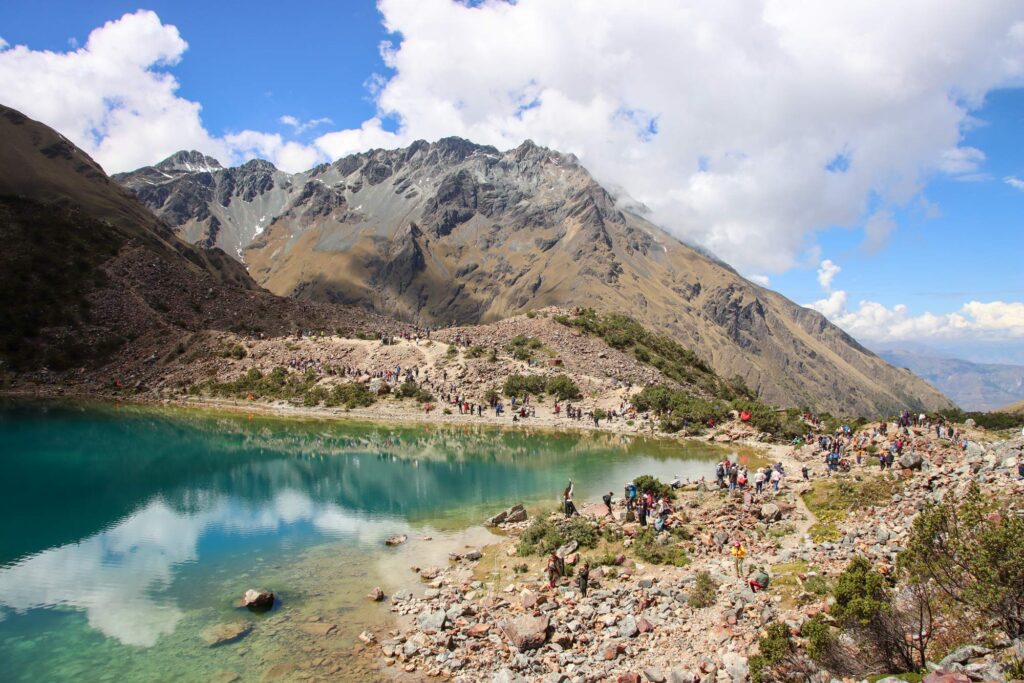
Cusco y Machu Picchu en 7 días: El itinerario perfecto para una semana Discover Cusco and Machu Picchu in a Week: The Perfect Itinerary for Your Trip If you dream of visiting Cusco and Machu Picchu on a truly unforgettable journey, seven days is the ideal length to enjoy it without rushing. This carefully designed 7-day itinerary combines history, adventure, culture, and jaw-dropping Andean landscapes — from the Sacred Valley of the Incas to the Rainbow Mountain and Humantay Lake. Here is day by day exactly what you can experience. Day 1: Arrival in Cusco and City Tour Upon arriving in the imperial city of Cusco, the priority is to acclimatize to the altitude (3,400 m / 11,150 ft). You will start with a relaxed city tour visiting the most important archaeological sites nearby: Sacsayhuamán, Q’enqo, Puca Pucara, and Tambomachay. Don’t forget to drink coca tea throughout the day to help your body adapt more easily to the thin mountain air. Day 2: Sacred Valley and Journey to Aguas Calientes Explore the Sacred Valley of the Incas, one of the most beautiful regions in Peru. You will visit the town and artisan market of Pisac, followed by the impressive fortress of Ollantaytambo. In the afternoon, board a scenic train bound for Aguas Calientes (Machu Picchu Pueblo), the base town from which you will visit the wonder of the world. Rest and prepare for the great adventure of the next morning. Day 3: Machu Picchu, Wonder of the World Early in the morning, together with your professional guide, you take the Consettur bus up to the Inca citadel. Explore its temples, terraces, and viewpoints — including the iconic view from the Guardhouse — while learning the fascinating history of the site. After the guided tour, descend to Aguas Calientes, enjoy lunch, and return by train to Cusco to rest. Day 4: Trekking to Rainbow Mountain A day full of adventure. You leave Cusco early for Pitumarca, where you enjoy a traditional Andean breakfast before starting a two-hour hike up to the viewpoint of the famous Rainbow Mountain (Vinicunca) at 5,200 m (17,060 ft). After marveling at the multicolored ridge, you enjoy lunch and return to Cusco in the afternoon. Day 5: ATV Adventure in Maras and Moray + Free Afternoon Adrenaline meets discovery. You ride ATVs (quad bikes) across the landscapes of the Sacred Valley to visit the archaeological site of Moray, with its circular Inca terraces, and the world-famous Maras Salt Mines. In the afternoon, you have free time in Cusco to wander through colonial streets, visit museums, or enjoy a coffee overlooking the Plaza de Armas. Day 6: Humantay Lake Another day of trekking, this time to the stunning turquoise waters of Humantay Lake. You travel to Mollepata for breakfast and begin a 1.5-hour hike to the lagoon at 4,200 m (13,780 ft). The turquoise water framed by the snow-capped Salkantay mountain creates one of the most photogenic scenes in Peru. After lunch, return to Cusco. Day 7: Farewell and Transfer to the Airport On your last day, take advantage of the morning to buy last-minute souvenirs, visit the viewpoints of San Cristóbal and San Blas, or admire the Cusco Cathedral’s bell tower. Finally, we transfer you to the airport for your return flight, carrying home unforgettable memories and a lifetime of stories. Book your 7-day adventure in Cusco and Machu Picchu If you would like to experience this 7-day journey through Cusco and Machu Picchu, our team at Incari Travel will take care of everything — flights, transfers, guides, entrance tickets, hotels, and every detail. Simply send us the message “7 Days” and we will design your dream trip with all the comfort and personalization you deserve. Peru is waiting for you. VIP Access Special Offers Unlock exclusive discounts on Cusco treks, complimentary luxury hotel upgrades, and tailored family packages for your upcoming adventure in Peru. Book Now THE BEST TOURS IN SOUTH AMERICA A curated selection of experiences in Peru, Bolivia, Argentina, Colombia, and the Dominican Republic. Discover fully customizable trips, crafted by local experts and backed by our clients’ reviews 15 Days Andean Peru Machu Picchu, Nazca Lines, Colca Canyon, Cusco and the Sacred Valley. Discover Route 11 Days Majestic Peru Machu Picchu, Huacachina Oasis, Cusco and the waters of Lake Titicaca. Discover Route 9 Days Peruvian Journey A deep dive through Machu Picchu, Cusco and Lake Titicaca. Discover Route
What to Bring to Machu Picchu: Complete Packing List & Prohibited Items 2027
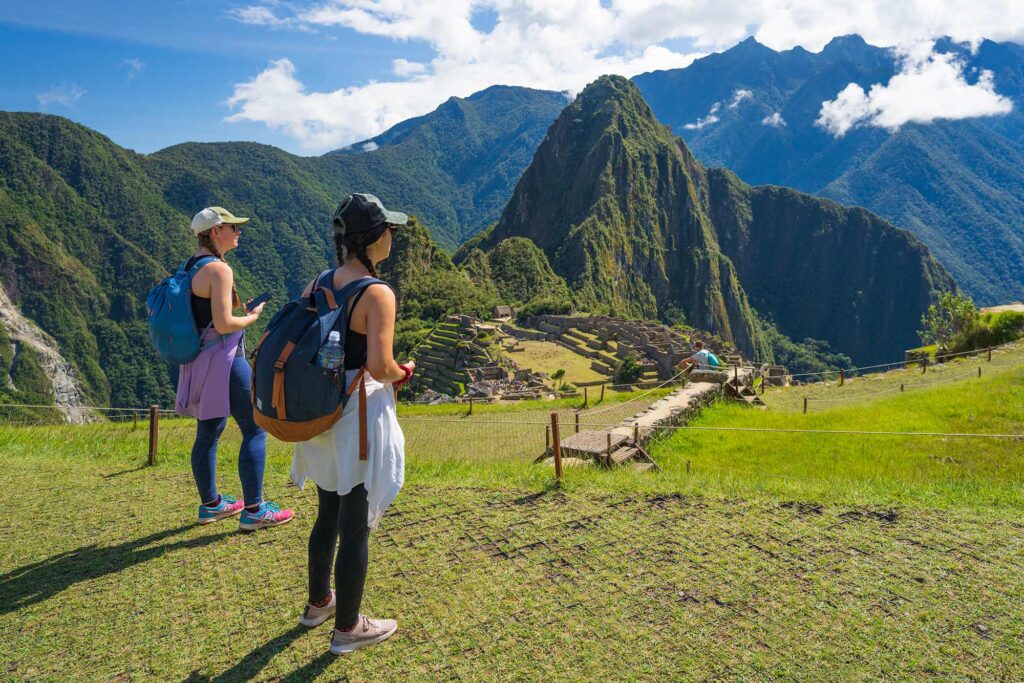
What to Bring to Machu Picchu: Complete Packing List & Prohibited Items 2027 What to Bring to Machu Picchu: Tips to Be Prepared Visiting Machu Picchu is an unforgettable experience, but to enjoy it to the fullest, being well prepared is essential. The weather, altitude, and uneven terrain can be challenging, and bringing the right items will make a real difference in your comfort and safety. Here is the complete packing list — plus what you absolutely cannot bring — to make sure your visit to the wonder of the world goes smoothly. Documents and tickets you must carry Passport or ID card: mandatory to enter the sanctuary. Your name on the entrance ticket must match your document exactly. Without it, access will be denied. Machu Picchu entrance ticket: printed or on your mobile device. Book in advance — tickets sell out fast in high season. Bus ticket to Machu Picchu (Consettur): unless you plan to walk up to the citadel. Student ID card (if applicable): for discounts. It must be current, valid, and from a recognized institution. Bonus tip: don’t forget to get your Machu Picchu commemorative passport stamp at the entrance — it’s free and one of the best souvenirs of your trip. Clothing: dress in layers Machu Picchu sits in a cloud forest microclimate where the weather can change several times in one day. Dressing in layers is the golden rule: Light long-sleeve shirt as base layer. Warm fleece or sweater for early morning and cooler moments. Waterproof jacket — rain can appear even in the dry season. Comfortable trekking pants (avoid jeans; they get uncomfortable when wet). Trekking shoes or sturdy sneakers with good grip: stones are often wet and slippery. Sun and weather protection High-SPF sunscreen: UV rays are intense at altitude, even when it’s cloudy. Wide-brim hat or cap to protect your face and neck. Sunglasses with UV protection. Insect repellent: the humid microclimate attracts mosquitoes and sand flies, especially in the afternoon. Small foldable poncho or light umbrella for sudden rain. Water, snacks and essentials Reusable water bottle: stay well hydrated — altitude accelerates dehydration. Light snacks: energy bars, dried fruit, or chocolate. Eat before entering (food is not officially allowed inside). Camera or smartphone with a fully charged battery and enough memory space. Power bank — there are no charging points inside the sanctuary. Small first-aid kit: band-aids, altitude-sickness pills, and any personal medication. Cash in Peruvian soles for the bus, small purchases, and tips. Prohibited items inside Machu Picchu To protect the archaeological site, the Ministry of Culture strictly prohibits the following items: Drones — not allowed under any circumstance. Large umbrellas — only small folding umbrellas are permitted. Tripods and professional photography equipment — require prior authorization. Trekking poles with metal tips — only rubber-tipped poles are accepted (mostly for elderly or disabled visitors). Large backpacks: maximum size 40 × 35 × 20 cm. Larger bags must be left at the storage lockers near the entrance. Food and drinks: only water in reusable bottles is allowed inside the citadel. Extra tips before your visit Arrive at the entrance at least 30 minutes before your scheduled time slot — entry is strict and there are no refunds for missing your window. Use the restrooms located outside the archaeological site, since there are none inside. Follow your assigned circuit; going back is not allowed. Finally, if you are visiting during the rainy season (October to March), bring an extra dry shirt in your daypack — you will thank yourself after a downpour. With the right preparation, your visit to Machu Picchu will be everything you dreamed of, and more. VIP Access Special Offers Unlock exclusive discounts on Cusco treks, complimentary luxury hotel upgrades, and tailored family packages for your upcoming adventure in Peru. Book Now THE BEST TOURS IN SOUTH AMERICA A curated selection of experiences in Peru, Bolivia, Argentina, Colombia, and the Dominican Republic. Discover fully customizable trips, crafted by local experts and backed by our clients’ reviews 15 Days Andean Peru Machu Picchu, Nazca Lines, Colca Canyon, Cusco and the Sacred Valley. Discover Route 11 Days Majestic Peru Machu Picchu, Huacachina Oasis, Cusco and the waters of Lake Titicaca. Discover Route 9 Days Peruvian Journey A deep dive through Machu Picchu, Cusco and Lake Titicaca. Discover Route
Three Historical Places in Cusco You Can’t Miss: Sacsayhuamán, Qoricancha & Cathedral
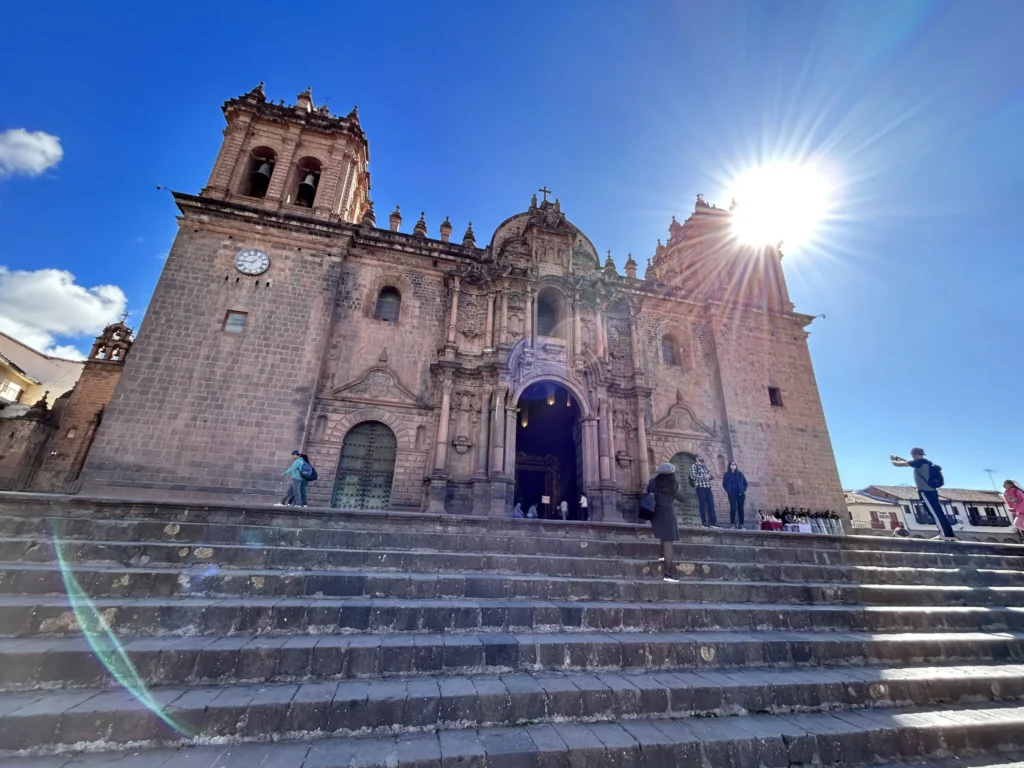
Three Historical Places in Cusco You Can’t Miss: Sacsayhuamán, Qoricancha & Cathedral Three Historical Places in Cusco You Can’t Miss Cusco, the ancient capital of the Inca Empire, is a living museum where every stone tells a story. If your time in the city is short, there are three historical places in Cusco you simply cannot leave without visiting. Each one reveals a different layer of Andean history: the ceremonial power of the Incas, the spiritual heart of the empire, and the fusion between two worlds after the Spanish arrival. Here is our essential guide. 1. Sacsayhuamán: The Inca Ceremonial Fortress Sacsayhuamán — meaning “satisfied falcon” in Quechua — is one of the most impressive Inca constructions in the world, located just 2 km from Cusco’s Plaza de Armas. Although often called a fortress, its true purpose was ceremonial and religious. It is famous for its cyclopean walls, where stones weighing over 100 tons fit together perfectly without mortar. The strategic zigzag design of the walls represents the connection between the earth and the gods, and the site offers a panoramic view of the entire city. Fascinating facts about Sacsayhuamán Its construction took over 50 years and required the labor of an estimated 20,000 workers. Every June 24th, the site hosts Inti Raymi, the Festival of the Sun — the most important ceremony in the Andean calendar. Access is included in the Cusco Tourist Ticket (Boleto Turístico), which also gives you entry to several other archaeological sites nearby. 2. Qoricancha: The Golden Temple of the Sun Qoricancha (also spelled Coricancha) was the most sacred temple of the Inca Empire, dedicated to Inti, the Sun god. After the Spanish conquest, the Convent of Santo Domingo was built directly on top of its foundations, creating a striking architectural fusion visible to this day. Its most impressive features include: Gold-clad walls: according to Spanish chronicles, the interior walls were covered in sheets of solid gold. Sacred gardens: life-sized statues of animals and plants sculpted in gold and silver once decorated the temple. Astronomical alignment: the windows were precisely positioned to capture the light during solstices and equinoxes. Why visit Qoricancha? Qoricancha is a symbol of Inca cultural resistance and one of the clearest examples of religious syncretism in the Americas — an Inca temple fused with a colonial church. Inside you will also find paintings and religious art from the 16th-century Cusco School, an artistic movement that blended European and indigenous techniques. 3. Cusco Cathedral: A Masterpiece of Andean Baroque The Cusco Cathedral, located on the Plaza de Armas, is one of the most important religious monuments in South America. Its construction began in 1560 using stones taken from Sacsayhuamán, and its interior holds true artistic treasures of the Andean Baroque style. Highlights include: “The Last Supper” by Marcos Zapata: a famous Andean reinterpretation where the main dish on the table is a cuy (Andean guinea pig). Main altarpiece: carved in cedar wood and covered in gold leaf. Cusco School painting collection: religious art with strong indigenous influences. Fascinating facts about the Cathedral Stones from Sacsayhuamán were reused for its construction — a physical symbol of the Spanish colonization. Inside rests “El Señor de los Temblores” (The Lord of the Earthquakes), the patron saint of Cusco, credited with stopping the 1650 earthquake. The Cathedral complex is actually formed by three connected temples: the main Cathedral, the Church of Triumph, and the Church of Jesús María. How to visit the three sites in one day All three historical places are easy to combine in a single day. Start at the Cusco Cathedral in the morning when Plaza de Armas is calm, then walk 10 minutes to Qoricancha for the mid-morning. In the afternoon, take a taxi or short walk uphill to Sacsayhuamán and enjoy the panoramic sunset over the city. The Cusco Tourist Ticket covers Sacsayhuamán and several other Inca sites, while the Cathedral and Qoricancha require separate tickets. If you want to understand the full historical context, hiring a guide is highly recommended. VIP Access Special Offers Unlock exclusive discounts on Cusco treks, complimentary luxury hotel upgrades, and tailored family packages for your upcoming adventure in Peru. Book Now THE BEST TOURS IN SOUTH AMERICA A curated selection of experiences in Peru, Bolivia, Argentina, Colombia, and the Dominican Republic. Discover fully customizable trips, crafted by local experts and backed by our clients’ reviews 15 Days Andean Peru Machu Picchu, Nazca Lines, Colca Canyon, Cusco and the Sacred Valley. Discover Route 11 Days Majestic Peru Machu Picchu, Huacachina Oasis, Cusco and the waters of Lake Titicaca. Discover Route 9 Days Peruvian Journey A deep dive through Machu Picchu, Cusco and Lake Titicaca. Discover Route
Machu Picchu Artisan Market: Best Souvenirs, Hours & Insider Tips

Machu Picchu Artisan Market: Best Souvenirs, Hours & Insider Tips Machu Picchu Artisan Market: The Best Place for Unique Souvenirs If you are looking for authentic souvenirs to take home after visiting the wonder of the world, the Machu Picchu Artisan Market in Aguas Calientes is the perfect stop. Located right at the exit of the train station, this open-air market brings together over 200 stalls filled with handcrafted Andean products, traditional textiles, and unique keepsakes made by artisans from Cusco, Pisac, Ollantaytambo, Chinchero, and beyond. Here is everything you need to know before you shop. Where is the market located? The Machu Picchu Pueblo Artisan Market sits on Alameda de los Artesanos, directly opposite the train terminal in Aguas Calientes. You literally walk through it the moment you step off the train, which makes it the most convenient shopping stop before or after your visit to the citadel. Entry is free — you only pay for what you buy. Opening hours The market operates every day of the year, generally from 7:00 a.m. to 9:00 p.m. Individual stalls set their own schedule, but you will always find plenty open during the day. Mornings are calmer for browsing; late afternoons get busier as travelers return from Machu Picchu. What can you buy? The Machu Picchu market offers one of the widest selections of Andean crafts in the region: Andean textiles: blankets, ponchos, scarves, chullos, and gloves made from alpaca, vicuña, and sheep wool. Handcrafted figurines: llamas, alpacas, pumas, condors, and traditional Pukara bulls. Silver jewelry with pre-Columbian and Inca-inspired designs. Musical instruments: quenas (flutes), panpipes (zampoñas), and small drums. Stone carvings made from local serpentine stone, including chakanas (Andean crosses). Regional food products: Peruvian coffee, cacao, and chocolate from the high jungle. Tips for shopping at the market Bargain respectfully: negotiating prices is common in Peruvian markets, but always value the artisan’s work. A friendly discount is realistic; aggressive haggling is not. Check for authenticity: ask about the origin and the material. Real alpaca feels soft, warm, and lightweight — not scratchy or synthetic. Look for the “handmade” label when available. Choose unique pieces: musical instruments like quenas, serpentine carvings, and hand-woven textiles are far more distinctive than mass-produced keychains. Bring cash (soles): most stalls prefer soles, though some accept credit cards. Small bills make bargaining easier. Prices: what to expect Because products are transported by train, prices at the Machu Picchu Artisan Market are usually slightly higher than at Cusco’s San Pedro Market or the Pisac Market in the Sacred Valley. If you are on a tight budget, do most of your souvenir shopping in Cusco or Pisac. Save the Machu Picchu market for that one special piece you couldn’t find elsewhere — or as a last stop before your train back. Why buying here matters The artisans behind these stalls come from local farming communities in Machu Picchu Pueblo, Cusco, Pisac, Ollantaytambo, Chinchero, and Puno. Buying directly from them supports traditional craft techniques that have been passed down for generations and helps sustain families in the region. Every textile and carving carries a real story behind it. Insider tip before you go Plan your visit to the market either right after arriving in Aguas Calientes (before going up to the citadel) or on your way back to the train station. Don’t leave it for the very last minute — trains leave on strict schedules and the market is large enough that you will want at least 45 to 60 minutes to browse properly. Bring cash, a reusable bag for your purchases, and a bit of patience: the perfect souvenir is usually two or three stalls deeper than the first one you see. VIP Access Special Offers Unlock exclusive discounts on Cusco treks, complimentary luxury hotel upgrades, and tailored family packages for your upcoming adventure in Peru. Book Now THE BEST TOURS IN SOUTH AMERICA A curated selection of experiences in Peru, Bolivia, Argentina, Colombia, and the Dominican Republic. Discover fully customizable trips, crafted by local experts and backed by our clients’ reviews 15 Days Andean Peru Machu Picchu, Nazca Lines, Colca Canyon, Cusco and the Sacred Valley. Discover Route 11 Days Majestic Peru Machu Picchu, Huacachina Oasis, Cusco and the waters of Lake Titicaca. Discover Route 9 Days Peruvian Journey A deep dive through Machu Picchu, Cusco and Lake Titicaca. Discover Route
Where to Buy Bus Tickets to Machu Picchu: Prices, Schedule & Tips 2027
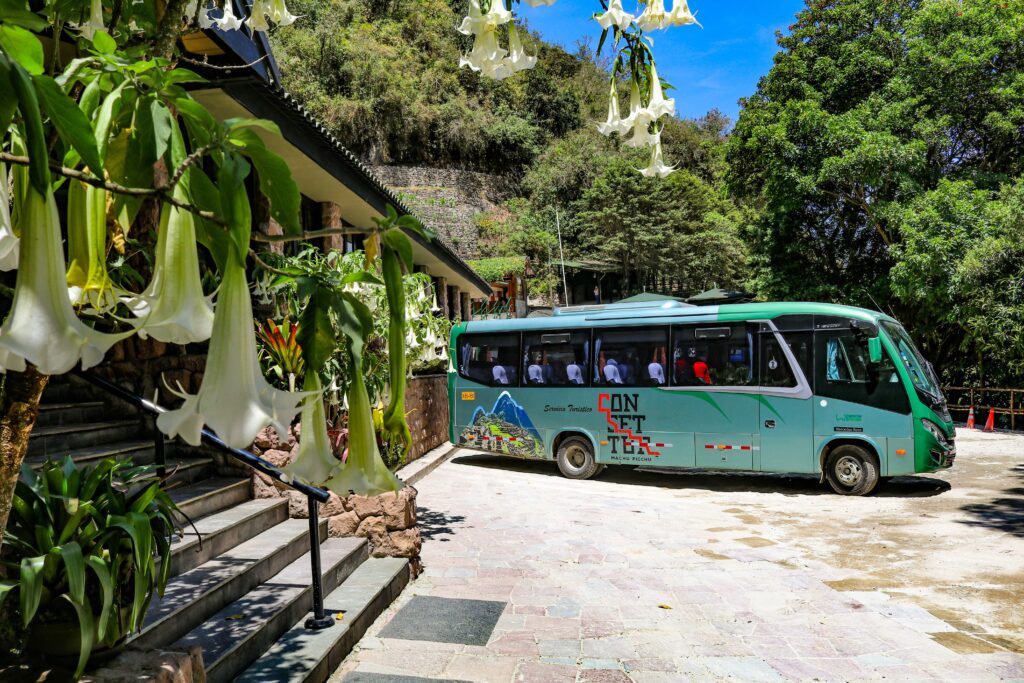
Where to Buy Bus Tickets to Machu Picchu: Prices, Schedule & Tips 2027 Where to Buy Bus Tickets to Machu Picchu? One of the most common questions travelers ask before visiting the citadel is where and how to buy the bus ticket to Machu Picchu. The short bus ride from Aguas Calientes up the Hiram Bingham Highway is the fastest and most comfortable way to reach the entrance of the wonder. Here we explain everything step by step: where to buy your ticket, prices, schedule, and the tips no one tells you before you go. Who operates the bus to Machu Picchu? The official operator is Consettur Machupicchu S.A.C., the concessionaire authorized to run the shuttle service between Aguas Calientes and the entrance gate of the citadel. Their buses are the only vehicles permitted on the Hiram Bingham Highway, the zigzag road that climbs the mountain to Machu Picchu. Where can you buy your bus ticket? You have three official options: In Aguas Calientes: at the official Consettur ticket office on Av. Hermanos Ayar, right next to the bus boarding point. Open daily from 5:00 a.m. to 9:00 p.m. Online: through the official Consettur website. Your ticket arrives by email and you print or show it on your phone at boarding. With a trusted travel agency: agencies like Incari Travel can include your bus ticket inside a complete Machu Picchu package, saving you time and lines. How much does the bus ticket cost? Reference fares for foreign adult travelers: Round trip (Aguas Calientes – Machu Picchu – Aguas Calientes): approx. USD $24 One way (uphill or downhill only): approx. USD $12 Discounted rates apply for Peruvian nationals, students, children (5–11), and residents of Cusco and Machu Picchu Pueblo. Children under 5 travel free. Prices are subject to change, so always confirm the current fare when you buy. Bus schedule and frequency Buses run every day of the year: First bus uphill: 5:30 a.m. from Aguas Calientes Last bus uphill: around 3:30 p.m. Return buses down: until approximately 5:30 p.m. Frequency: every 5 to 10 minutes depending on demand The journey takes 25 to 30 minutes in each direction along the winding Hiram Bingham Highway. Recommendations before boarding Buy your ticket in advance — especially during high season (May to October) — to avoid long lines at the ticket office. Bring your passport: your name on the bus ticket must match the ID document linked to your Machu Picchu entrance ticket. Arrive at the boarding point at least 60 to 90 minutes before your Machu Picchu entry time. Lines get long in the morning. Only small daypacks are allowed — leave large backpacks at your hotel or at the storage lockers near the entrance. Can you skip the bus and walk? Yes. If you want to save the fare or add adventure to your visit, you can walk up to the citadel along the pedestrian stair trail. The uphill hike takes about 1.5 to 2 hours and is physically demanding, especially at altitude. Many travelers choose to take the bus up and walk down — a good balance between comfort and experience. Insider tip: don’t miss your turn Be on time. Machu Picchu tickets are tied to a strict entry hour, and if you miss your slot because of the bus line, there is no refund and no re-entry. If you want a truly stress-free experience, consider booking an all-inclusive Machu Picchu package where your bus ticket, entrance ticket, train, and guide are all coordinated for you. That way, the only thing you need to focus on is enjoying one of the Seven Wonders of the World. VIP Access Special Offers Unlock exclusive discounts on Cusco treks, complimentary luxury hotel upgrades, and tailored family packages for your upcoming adventure in Peru. Book Now THE BEST TOURS IN SOUTH AMERICA A curated selection of experiences in Peru, Bolivia, Argentina, Colombia, and the Dominican Republic. Discover fully customizable trips, crafted by local experts and backed by our clients’ reviews 15 Days Andean Peru Machu Picchu, Nazca Lines, Colca Canyon, Cusco and the Sacred Valley. Discover Route 11 Days Majestic Peru Machu Picchu, Huacachina Oasis, Cusco and the waters of Lake Titicaca. Discover Route 9 Days Peruvian Journey A deep dive through Machu Picchu, Cusco and Lake Titicaca. Discover Route
8 Things You Didn’t Know About Rainbow Mountain (Vinicunca)
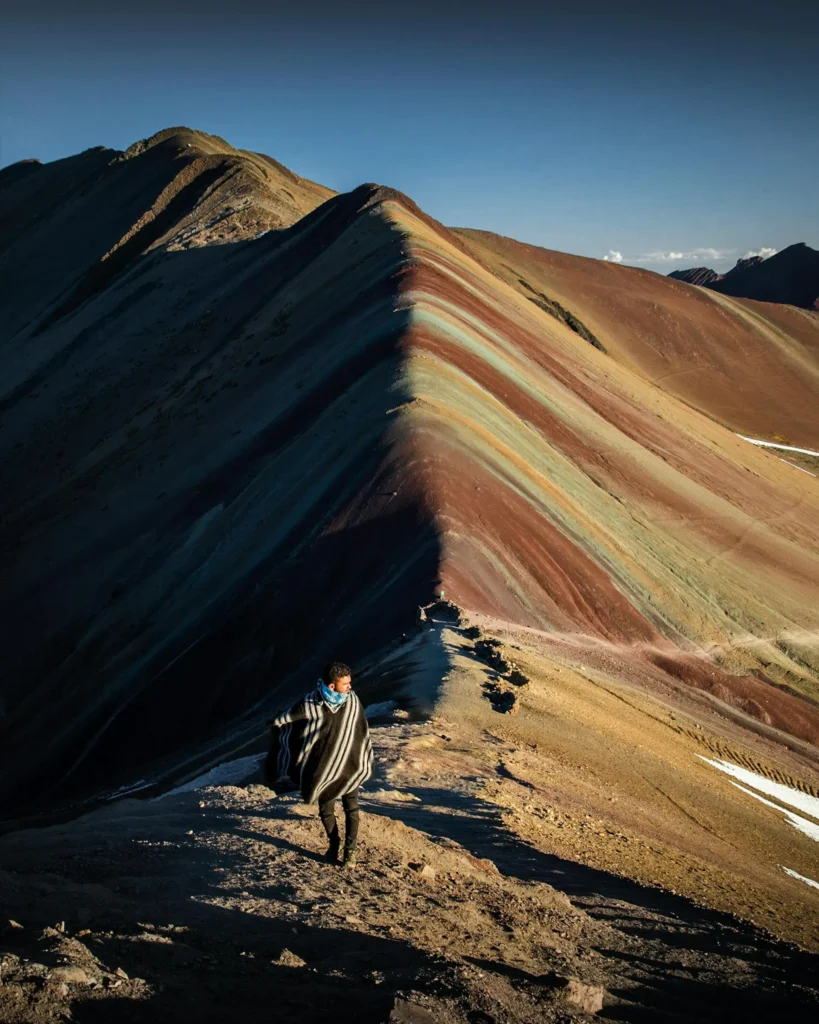
8 Things You Didn’t Know About Rainbow Mountain (Vinicunca) Fascinating Facts About the Rainbow Mountain in Peru Rainbow Mountain, also known as Vinicunca or the Mountain of Seven Colors, is one of the most breathtaking and photographed destinations in Cusco. Beyond its stunning beauty, there are fascinating facts and hidden secrets that many travelers don’t know. Here is everything you need to know! Revealed by climate change Although it is now famous for its vibrant hues, the Mountain of Seven Colors was actually covered in snow for many years. It was the effects of climate change that melted the ice cap, naturally revealing its incredible range of colors. The scientific origin of its colors The colors of Vinicunca are a geological marvel, caused by different minerals in the soil: Red: Iron oxide. Green: Copper oxide. Yellow: Iron sulfide. White: Sandstone and calcium carbonate. Purple: Clay and mineral mixtures. A sacred Andean mountain For local communities, Vinicunca is a highly sacred place and an essential part of their ancestral traditions. It is believed to be energetically connected to Apu Ausangate, one of the most revered and powerful mountains of the Inca empire. Extreme high altitude The Rainbow Mountain sits at an impressive altitude of 5,200 meters (17,060 feet), making the hike a real physical challenge. It is strictly recommended to acclimate properly in Cusco before starting this trek to avoid altitude sickness. A recent tourist discovery Although it has always been there, Vinicunca was entirely unknown to travelers for many years. It was only in 2016 that it began to gain massive popularity thanks to social media. Today, it is one of the most visited destinations in Peru. Breathtaking trekking route The Rainbow Mountain trek is an experience in itself. During the hike, you will witness dramatic Andean landscapes, free-roaming alpacas and llamas, and local communities keeping their indigenous traditions alive in the crisp mountain air. Part of the Vilcanota Range Vinicunca belongs to the Vilcanota Mountain Range, an extensive mountain chain that includes other impressive snowy peaks such as Ausangate. This remote area is a true paradise for hiking and raw nature lovers. Unpredictable mountain weather The weather at high altitudes is highly unpredictable. You can start the day with radiant sunshine and suddenly face rain, hail, or snow. Dressing in waterproof layers is absolutely essential to stay comfortable and safe. Less crowded Rainbow Mountain alternatives While Vinicunca is the undisputed star, the Cusco region is also home to other spectacular colored mountains, such as Palccoyo and Pallay Punchu. These trekking alternatives offer landscapes that are just as stunning but with far fewer tourists, allowing visitors to enjoy a more intimate, peaceful, and accessible experience amidst the majesty of the Andes. VIP Access Special Offers Unlock exclusive discounts on Cusco treks, complimentary luxury hotel upgrades, and tailored family packages for your upcoming adventure in Peru. Book Now THE BEST TOURS IN SOUTH AMERICA A curated selection of experiences in Peru, Bolivia, Argentina, Colombia, and the Dominican Republic. Discover fully customizable trips, crafted by local experts and backed by our clients’ reviews 15 Days Andean Peru Machu Picchu, Nazca Lines, Colca Canyon, Cusco and the Sacred Valley. Discover Route 11 Days Majestic Peru Machu Picchu, Huacachina Oasis, Cusco and the waters of Lake Titicaca. Discover Route 9 Days Peruvian Journey A deep dive through Machu Picchu, Cusco and Lake Titicaca. Discover Route
Hidden Gems in Cusco: 3 Free Places Off the Beaten Path

Hidden Gems in Cusco: 3 Free Places Off the Beaten Path Discover 3 Hidden Gems and Free Places to Visit in Cusco If you have already seen the classic tourist spots like the Sacred Valley and are looking for something truly authentic, save these three off-the-beaten-path locations. The best part? These beautiful places in Cusco are completely free to visit! The hidden Inca ruins of Inkilltambo How to get there: From the Clorinda bus stop in the city center, take the “Inka Express” public bus and get off at the “Kiosco” or “Esquina” stop. Keep walking along the left-hand path, and after a 15-minute hike, you will discover this spectacular hidden Inca complex. It is the perfect archaeological site for disconnecting from the daily routine without paying any entrance fees. Farallones de Tecsecocha How to get there: Shared vans (colectivos) leave from the Pukin gas station heading toward the cliffs, and the ride costs only 5 Soles. Once you arrive at the Farallones de Tecsecocha, you can view the ancient cave paintings for a small fee of 5 Soles. If you prefer a completely free experience, take the downhill path on the left. In just 15 minutes, you will be enjoying breathtaking panoramic views perfect for Instagram photos! The three historical bridges of Checacupe Checacupe is a magical small town south of Cusco famous for featuring three distinct architectural bridges in one single place: an Inca bridge, a Colonial bridge, and a Republican bridge. It is a must-visit destination for history lovers looking to explore authentic and traditional Andean towns. How to get to Checacupe Head to the bus terminal, take a bus heading towards Sicuani, and get off directly at Checacupe. The journey takes approximately 1 hour and 30 minutes. Once there, the historical bridges are located right in the town center, making it an easy and accessible cultural day trip. VIP Access Special Offers Unlock exclusive discounts on Cusco treks, complimentary luxury hotel upgrades, and tailored family packages for your upcoming adventure in Peru. Book Now THE BEST TOURS IN SOUTH AMERICA A curated selection of experiences in Peru, Bolivia, Argentina, Colombia, and the Dominican Republic. Discover fully customizable trips, crafted by local experts and backed by our clients’ reviews 15 Days Andean Peru Machu Picchu, Nazca Lines, Colca Canyon, Cusco and the Sacred Valley. Discover Route 11 Days Majestic Peru Machu Picchu, Huacachina Oasis, Cusco and the waters of Lake Titicaca. Discover Route 9 Days Peruvian Journey A deep dive through Machu Picchu, Cusco and Lake Titicaca. Discover Route
Ausangate 7 Lakes Trek: The Complete Day Tour Guide from Cusco
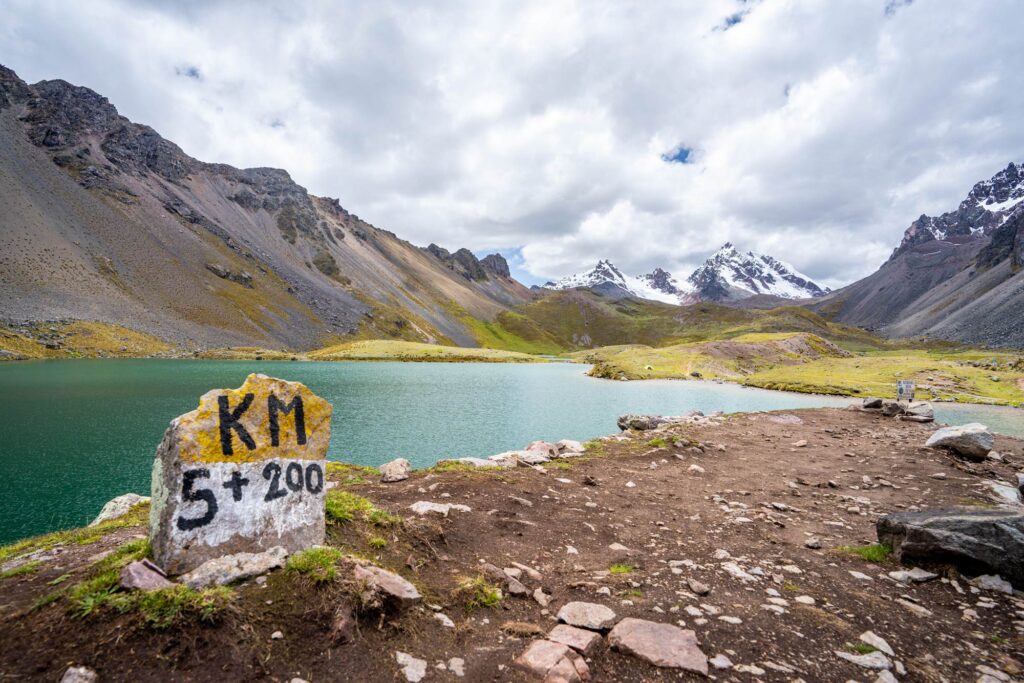
Ausangate 7 Lakes Trek: The Complete Day Tour Guide from Cusco The Complete Guide to Hiking the Ausangate 7 Lakes in Cusco Are you planning a full-day trek through the turquoise lagoons of the Ausangate mountain range? From handling the extreme altitude to relaxing in the Pacchanta hot springs, here is the essential, insider guide to conquering the 7 Lakes Cusco tour safely and comfortably. Altitude and mountain weather The Ausangate 7 Lakes hike reaches elevations of over 4,600 meters (15,090 ft). Even when the Andean skies are crystal clear, intense morning cold and sharp mountain winds are guaranteed. Wearing thermal layers, a windbreaker jacket, and gloves is essential, regardless of the season. Trek difficulty and horse rentals This full-day day hike spans roughly 5 hours round trip along a gradual ascent. However, the thin air makes it physically demanding. Pro tip: If you feel altitude sickness or fatigue, you can rent a local horse for roughly 100 Soles (round trip only). Note that downhill horse riding is not offered due to steep trail safety. Facilities along the trail Basic restroom facilities are scattered along the trekking trail for a small fee of 1 Sol. Throughout the route, indigenous Andean women sell bottled water, energy snacks, and natural coca tea for acclimatization. Always carry physical Soles in small bills, as digital payment systems and cell reception do not exist on the mountain. The Pacchanta hot springs The ultimate reward of the day is soaking in the Pacchanta natural thermal baths, which overlook the majestic snow-capped Ausangate peak. To fully enjoy this experience, keep a steady trekking pace so you arrive at the community pools at least 30 minutes ahead of the main tour crowds. Essential packing list To fully enjoy the pristine glacial lakes, roaming alpaca herds, and dramatic Andean landscapes without discomfort, make sure your daypack includes: Layered technical clothing: Base thermal layer, fleece jacket, and waterproof shell. Trekking footwear: Broken-in hiking boots with sturdy grip for rocky terrain. High-altitude sun gear: UV-blocking sunglasses, wide-brimmed hat, and SPF 50+ sunscreen. Travel documents & cash: Physical passport or ID, plus local Peruvian Soles. VIP Access Special Offers Unlock exclusive discounts on Cusco treks, complimentary luxury hotel upgrades, and tailored family packages for your upcoming adventure in Peru. Book Now THE BEST TOURS IN SOUTH AMERICA A curated selection of experiences in Peru, Bolivia, Argentina, Colombia, and the Dominican Republic. Discover fully customizable trips, crafted by local experts and backed by our clients’ reviews 15 Days Andean Peru Machu Picchu, Nazca Lines, Colca Canyon, Cusco and the Sacred Valley. Discover Route 11 Days Majestic Peru Machu Picchu, Huacachina Oasis, Cusco and the waters of Lake Titicaca. Discover Route 9 Days Peruvian Journey A deep dive through Machu Picchu, Cusco and Lake Titicaca. Discover Route
Train Vistadome Observatory
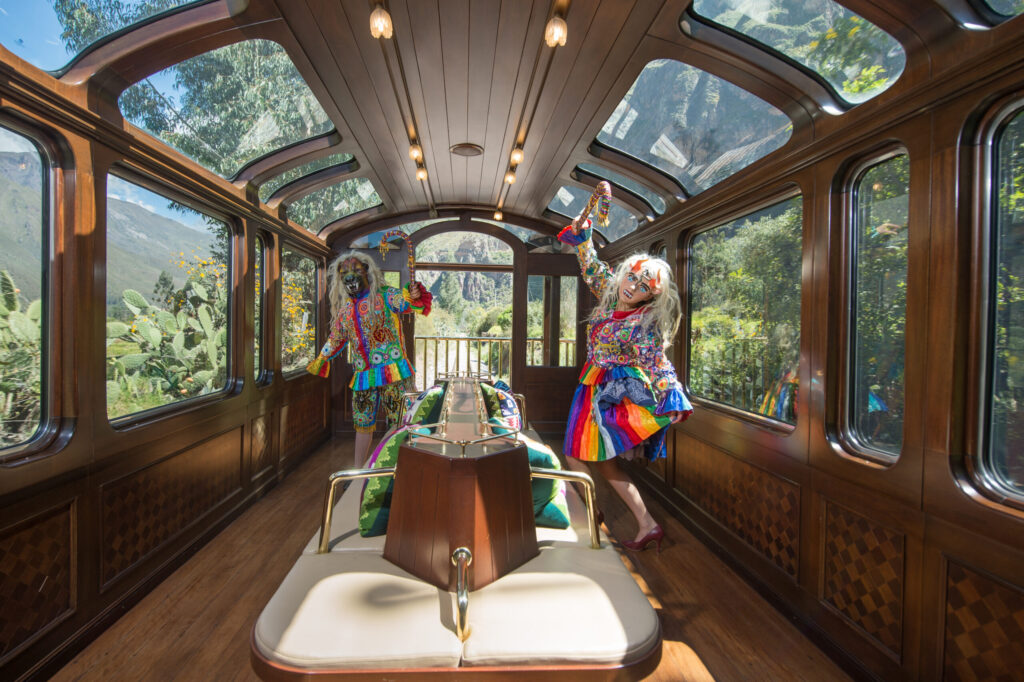
VISTADOME OBSERVATORY TRAIN TO MACHU PICCHU What nobody tells you about the Vistadome Observatory train to Machu Picchu Are you thinking about traveling to Machu Picchu on the Vistadome Observatory Train? Here we’ll tell you what nobody tells you and what you need to know before buying your ticket. Is it worth it? Yes… but only if you take it one way. The Vistadome Observatory experience is truly enjoyed on the outbound journey. The reason? On the way back, the locomotive is placed in front of the observatory car, blocking the panoramic view. For this reason, we recommend experiencing this only on the daytime journey toward Machu Picchu. Important tip: Board early Luggage space is limited. If you are carrying large backpacks or suitcases and board last, you will probably have to fit them at your feet. Be one of the first to board to avoid discomfort. During the trip… The journey includes historical narration with interesting facts about the route. While you enjoy the landscape, the observation car features a performance of traditional dances, and staff walk through offering drinks and snacks. Important: everything offered in the observatory car comes at an additional cost. What is included in your ticket? Free water and herbal teas at your seat. A small box of typical snacks from Cusco, offered as a courtesy of the service. Bimodal Vistadome Service If your ticket is for the Bimodal service: You will make a stop in Ollantaytambo. Some passengers get off there, but you will continue on the train to Urubamba. From that point, a private bus will take you back to Cusco. In summary: Ideal for the outbound journey. Best if you travel during the day. Bring light luggage. Take advantage of the included benefits and be clear about what comes at an extra cost. VIP Access Special Offers Unlock exclusive discounts on panoramic trains, complimentary luxury hotel upgrades, and tailored family packages for your upcoming adventure in Peru. Book Now THE BEST TOURS IN SOUTH AMERICA A curated selection of experiences in Peru, Bolivia, Argentina, Colombia, and the Dominican Republic. Discover fully customizable trips, crafted by local experts and backed by our clients’ reviews 15 Days Andean Peru Machu Picchu, Nazca Lines, Colca Canyon, Cusco and the Sacred Valley. Discover Route 11 Days Majestic Peru Machu Picchu, Huacachina Oasis, Cusco and the waters of Lake Titicaca. Discover Route 9 Days Peruvian Journey A deep dive through Machu Picchu, Cusco and Lake Titicaca. Discover Route
