
Travel Agencies in Cusco

Travel Agencies in Cusco How to Identify a Formal Travel Agency in Cusco: The Complete Guide to Avoid Tourist Scams Cusco is the gateway to Machu Picchu and one of the most visited destinations in South America. Every year, thousands of travelers hire tours, tickets, and travel packages from Cusco — and not all of them end well. The proliferation of informal agencies, the sale of services without legal backing, and the lack of post-booking guarantees are real problems you can avoid with simple checks. Before handing over your money, verify that the agency operates formally. This guide gathers the official criteria to identify a legitimate agency, the warning signs to avoid, and the Peruvian government tools that protect you as a consumer. 1. Verify the agency is registered with MINCETUR The Peruvian Ministry of Foreign Trade and Tourism (MINCETUR) maintains the National Directory of Qualified Tourism Service Providers, a public registry listing every company authorized to operate formally in the Peruvian tourism sector. Checking this directory is the most direct and reliable way to verify whether an agency operates within the legal framework. You can consult the official registry at the following link: MINCETUR Travel Agencies Directory. Enter the commercial name or RUC of the agency and verify that it appears registered as an active provider. If it does not appear, consider this a serious warning sign. Additionally, in Cusco there is the Regional Directorate of Foreign Trade and Tourism (DIRCETUR Cusco), which issues operating certificates specific to agencies working in the region. A serious agency should have both registrations: national MINCETUR and regional DIRCETUR. 2. Check that the agency has an active RUC at SUNAT Every company legally operating in Peru must have an active Unique Taxpayer Registry (RUC) issued by SUNAT (the Peruvian Tax Authority). This data not only confirms the formal existence of the agency, but also reveals key information: legal business name, taxpayer status (active or suspended), condition (findable or unfindable), and start date of activities. You can verify the RUC of any agency in the official SUNAT lookup: SUNAT RUC Lookup. Pay special attention to these points when reviewing the RUC: Taxpayer status: must appear as Active. If it shows “suspended” or “closed by authority”, the company is not operating legally. Fiscal address condition: must be Findable. The “unfindable” condition indicates that SUNAT cannot locate the company at its declared address — a risk signal. Economic activity: must match “Travel agencies and tour operators” (CIIU 7911 or similar). If the main activity is different, the company is not legally authorized to sell tourism services. 3. Additional certifications that back a serious agency Beyond MINCETUR and active RUC, a truly reliable agency holds additional memberships and certifications that demonstrate its commitment to international standards of quality, safety, and responsible tourism: Cusco Chamber of Commerce: membership that backs the company’s seriousness and grants access to commercial arbitration mechanisms in case of dispute. Safe Travels seal from the WTTC (World Travel & Tourism Council): international certification guaranteeing compliance with biosafety and health protocols. ESNNA Protocol (Sexual Exploitation of Children and Adolescents): mandatory in Peru. Every tourism agency must display the informative poster and adhere to the Code of Conduct against child exploitation in tourism. APAVIT (Peruvian Association of Travel and Tourism Agencies) or APOTUR (Peruvian Association of Inbound Tour Operators): voluntary memberships that group the country’s main formal agencies. The absence of these certifications does not always mean an agency is informal, but their presence is a clear signal of professionalism and institutional commitment. 4. Review contact information and physical presence A professional travel agency must provide clear, verifiable, and consistent contact information across all its channels. The absence of these elements — or inconsistency between them — is a warning sign you should not ignore: Official website with its own domain: a serious agency operates from its own domain (e.g. exampleagency.com), not exclusively from Facebook or Instagram profiles. Corporate email: the email must use the agency’s domain (sales@exampleagency.com), not generic Gmail or Hotmail accounts. Landline and Business WhatsApp: ideally both. WhatsApp should be verified as a Business account (green verification icon). Verifiable physical commercial address: a real office in Cusco, with exact address, is a guarantee that the company can be located. Verify the address on Google Maps before trusting. Active social media presence: Facebook, Instagram, TikTok, or YouTube with recent and consistent activity. An agency with profiles abandoned months ago is suspicious. 5. Consult reviews and opinions from other travelers Experiences shared by previous travelers are one of the most reliable indicators of real service quality. However, not all reviews are equal — some are manipulated. Consult multiple platforms before deciding: Google Business Profile: check the average rating, total number of reviews, and read the most recent ones. A company with 4.5+ stars and hundreds of verified reviews is a good indicator. TripAdvisor: tourism-specialized platform with anti-fraud system. Check the ranking within “Travel Agencies in Cusco”. Facebook and Instagram: read comments on recent posts, not just the reviews section. YouTube: many travelers upload videos of their experience. An agency with video reviews is very hard to fake. Warning signs in reviews: many reviews published on the same day, identical wording across multiple reviews, defensive or aggressive owner responses to legitimate criticism, and total absence of negative reviews (no real company has 100% perfect reviews). 6. Demand written detail of contracted services Before confirming any booking or depositing money, the agency must give you a written document (email, PDF, or contract) with the complete detail of the service. This document is your main legal backing in case of dispute: Day-by-day itinerary: pickup times, included activities, estimated durations, meeting points. Included tickets: specify which tickets the agency delivers (Machu Picchu, Huayna Picchu, archaeological sites, Cusco Tourist Ticket). Transportation: vehicle type, train category (Expedition, Vistadome, etc.), airport-hotel-airport transfers. Included meals: which meals (breakfast, lunch, dinner) and at which locations. Professional guides: confirm they are official guides authorized by DIRCETUR, with valid credentials. Accommodation: exact hotel name, category,
Visiting Machu Picchu Between April and September: Avoid This Costly Mistake
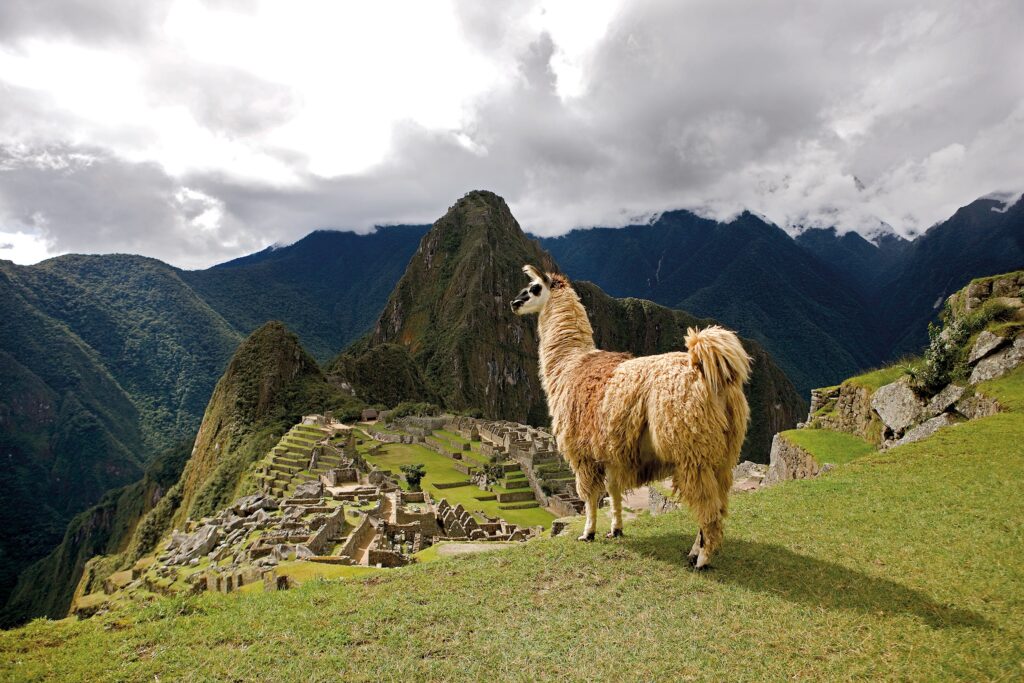
Visiting Machu Picchu Between April and September: Avoid This Costly Mistake Visiting Machu Picchu Between April and September: Avoid This Costly Mistake Are you planning a trip to Machu Picchu between April and September? If so, there’s something critically important you should know before finalizing your dates: entrance tickets sell out fast, especially during the peak of the dry season. Every year, hundreds of travelers arrive in Cusco expecting to buy their ticket last-minute — and discover it’s impossible. Here is how to avoid becoming one of them. Why is this the busiest season? During April through September, Machu Picchu welcomes tens of thousands of visitors thanks to: Favorable weather: the dry season brings clear skies, minimal rain, and better hiking conditions. Major celebrations: the Cusco Festivities in June, including Inti Raymi on June 24th, attract travelers from around the world. Northern Hemisphere summer: July and August coincide with peak vacation months in Europe and North America. It’s one of the best times to visit this Wonder of the World, but it’s also when ticket demand reaches its highest levels of the year. What mistake should you avoid? Waiting until the last minute to book your tickets. Remember that Machu Picchu tickets are NOT sold at the entrance. You can only enter if you already have a ticket with a confirmed date and circuit. There are no exceptions, no waiting lists, and no on-site sales. The most heartbreaking mistake we see: travelers who fly all the way to Cusco, arrive at Machu Picchu Pueblo, and discover the sanctuary is fully booked for the next three days. Their flights leave. Their trip is ruined. How far in advance should you book? April, May, September: book at least 2 months in advance. June, July, August (peak): book 3 to 4 months in advance. Around Inti Raymi (June 20–26): book 5 to 6 months in advance. Booking early lets you choose the circuit that interests you most, secure your preferred entry time, and organize the rest of your trip with peace of mind. Special routes with strict limits Some of the most iconic routes have a strictly limited number of permits per day and sell out even faster than the standard circuits: Huayna Picchu: the iconic peak behind the citadel — only 400 spots per day. Machu Picchu Mountain: the higher, more challenging summit — 400 spots per day. Huchuy Picchu (high-season only): shorter alternative peak. The Inca Trail: the classic 4-day trek — sells out 6 to 8 months in advance. If any of these are on your bucket list, booking as early as possible is essential. What to expect in each month April: transition from rainy to dry season, occasional light rain, fewer crowds — great sweet spot. May: excellent weather, moderate crowds, ideal balance. June: peak of festivities and Inti Raymi — busy but unforgettable. July–August: highest visitor numbers, dry and clear, cold mornings. September: end of dry season, still good weather, slightly fewer travelers. Book early — it’s the only way Visiting Machu Picchu between April and September is one of the best decisions you can make: perfect weather, epic photos, and the chance to combine your visit with the largest cultural celebrations of the year. But that opportunity depends entirely on planning. Book your tickets, train, hotels, and tours months in advance. If you’d rather leave all the logistics in expert hands, our team at Incari Travel handles everything — from ticket selection to circuit choice, transport, and guides — so you focus only on enjoying one of the wonders of the world. VIP Access Special Offers Unlock exclusive discounts on Cusco treks, complimentary luxury hotel upgrades, and tailored family packages for your upcoming adventure in Peru. Book Now THE BEST TOURS IN SOUTH AMERICA A curated selection of experiences in Peru, Bolivia, Argentina, Colombia, and the Dominican Republic. Discover fully customizable trips, crafted by local experts and backed by our clients’ reviews 15 Days Andean Peru Machu Picchu, Nazca Lines, Colca Canyon, Cusco and the Sacred Valley. Discover Route 11 Days Majestic Peru Machu Picchu, Huacachina Oasis, Cusco and the waters of Lake Titicaca. Discover Route 9 Days Peruvian Journey A deep dive through Machu Picchu, Cusco and Lake Titicaca. Discover Route
How Much Extra Money to Bring to Cusco? Budget Guide for a 6-Day Trip
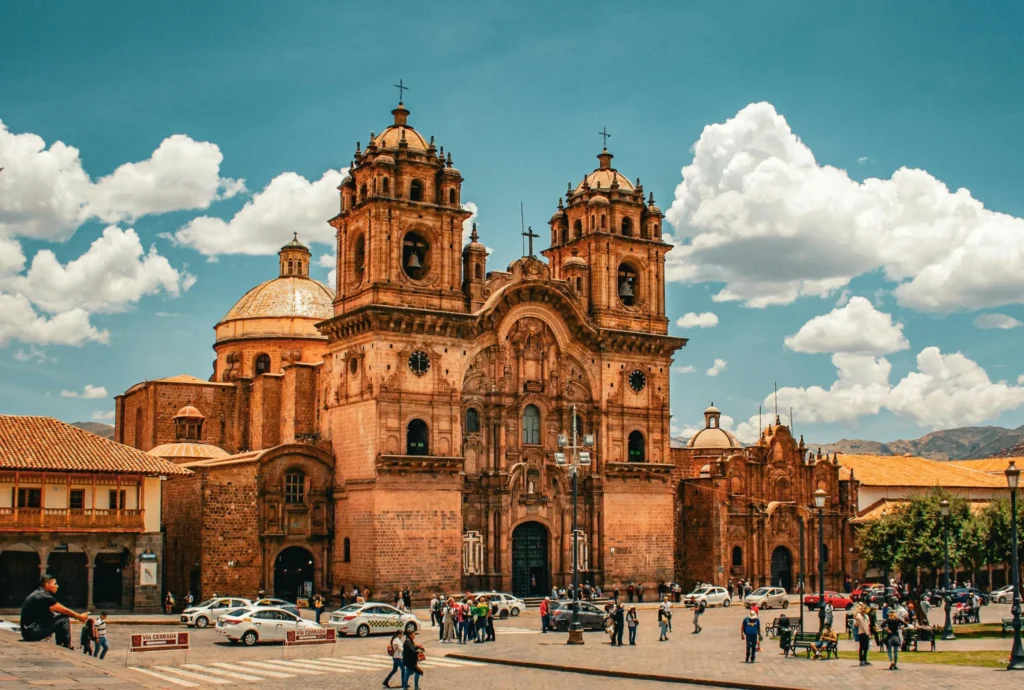
How Much Extra Money to Bring to Cusco? Budget Guide for a 6-Day Trip How Much Extra Money Should You Bring to Cusco? Are you planning a trip to Cusco and unsure how much extra budget you’ll need beyond what’s already included in your tour? Meals not covered, taxis around the city, tips, souvenirs — all of it adds up. Here is an estimated guide based on a 6-day stay, so you can travel with peace of mind and avoid unexpected expenses in Peruvian soles. Transportation within the city Taxis: approximately 12 soles per day if you use safe taxi services (apps like InDrive or hotel-recommended drivers) to get around the historic center. Public transportation: local buses (combis) cost about 1 sol per ride — ideal for short trips if you want to save. Airport transfer: approximately 25 to 40 soles from Alejandro Velasco Astete airport to the historic center. Meals not included in the tour Although many tours include breakfast and lunch, you’ll likely want to enjoy dinners or explore other local restaurants: Budget meals (menú del día, local restaurants): from 10 soles. Mid-range restaurants: approximately 25 to 40 soles per meal. Dinner at tourist restaurants in Plaza de Armas or San Blas: approximately 30 to 60 soles. Recommended daily food budget: between 50 and 100 soles depending on your style. Drinks and snacks Bottled water, juices, soft drinks, or a quick snack along the way: approximately 5 to 10 soles per day. Coca tea (widely available and helpful for altitude) is usually free at hotels and cafés. Souvenirs and keepsakes If you’d like to take home souvenirs — magnets, alpaca textiles, silver jewelry, handmade crafts, or gifts — consider setting aside 150 to 200 soles, depending on how much you plan to buy. If you have your eye on high-quality alpaca items or larger textiles, plan for more. Tips and small extras Guides: 10–20 soles per person is a fair tip after a half-day tour; 30–50 soles for a full day. Restaurants: service is not always included — 10% is customary at tourist restaurants. Porters (if trekking): tips vary depending on the trek, typically 40–80 soles. Contingency fund: always keep 100–150 soles for unexpected expenses. Estimated total budget for 6 days To comfortably cover all your additional expenses during your trip, we recommend bringing: 800 to 1,200 Peruvian soles Equivalent to approximately USD 200 to 300 (at current exchange rates). This budget will allow you to enjoy your trip comfortably, treat yourself to a few extras, and travel without financial stress. Practical tips about money in Cusco Exchange money in Cusco, not abroad — the rate is far better locally. Use certified exchange houses (casas de cambio) around Plaza de Armas. Small bills matter: many small shops, taxis, and markets can’t break 100-sol bills. Ask for smaller denominations when you exchange. Card acceptance: most tourist restaurants, hotels, and larger stores accept Visa/Mastercard. For markets and small shops, cash is king. ATMs: widely available in the historic center. Use ATMs inside banks or shopping centers rather than street ATMs for security. Split your money: never carry everything in one place — hotel safe + wallet + emergency pocket. VIP Access Special Offers Unlock exclusive discounts on Cusco treks, complimentary luxury hotel upgrades, and tailored family packages for your upcoming adventure in Peru. Book Now THE BEST TOURS IN SOUTH AMERICA A curated selection of experiences in Peru, Bolivia, Argentina, Colombia, and the Dominican Republic. Discover fully customizable trips, crafted by local experts and backed by our clients’ reviews 15 Days Andean Peru Machu Picchu, Nazca Lines, Colca Canyon, Cusco and the Sacred Valley. Discover Route 11 Days Majestic Peru Machu Picchu, Huacachina Oasis, Cusco and the waters of Lake Titicaca. Discover Route 9 Days Peruvian Journey A deep dive through Machu Picchu, Cusco and Lake Titicaca. Discover Route
Why Choose Incari Travel: Sustainable Tours & Real Impact in Cusco
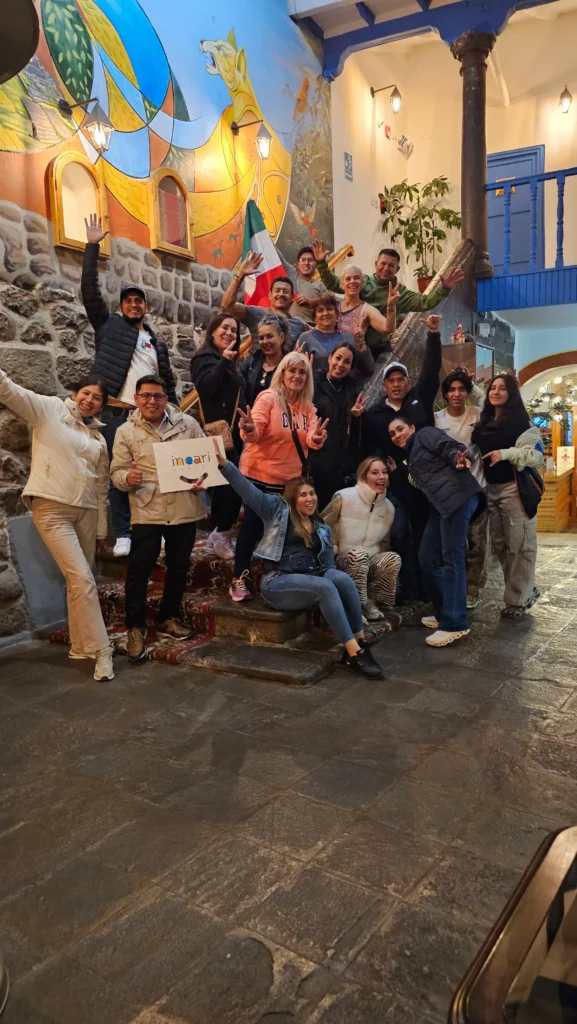
Why Choose Incari Travel: Sustainable Tours & Real Impact in Cusco Why Choose Incari Travel: Tours with Real Impact in Cusco Choosing a travel agency in Cusco shouldn’t only be about who offers the cheapest tour. It should be about who gives you a real experience, who takes care of every detail, and — increasingly important — who leaves a positive mark on the destinations you visit. At Incari Travel, our promise is simple: your trip transforms you, and it transforms Cusco with you. Here is what makes us different. Travel and leave a mark with Incari Travel Are you planning your visit to Machu Picchu, Rainbow Mountain, or the Sacred Valley? At Incari Travel we believe every journey should go beyond the postcard. That is why we designed our tours around three pillars: authentic experiences, personalized service, and real social and environmental impact. When you travel with us, your adventure directly contributes to the communities and landscapes that make Cusco unforgettable. Pachamamarymi: we reforest together Did you know your trip can help reforest Cusco? Deforestation has affected many natural areas and local communities in the Andes over the past decades. But every adventure can make a difference. Through our program Pachamamarymi, for every traveler who trusts us, we plant a tree in Cusco. Your journey takes you to incredible places — and at the same time contributes to restoring nature and strengthening the local ecosystem. Travel with purpose. Travel with Incari Travel. Kusikuy: tourism with social impact When you choose to travel with Incari Travel, you support something bigger than a tour. Through our program Kusikuy, part of every booking supports single mothers who are artisans in Cusco, transforming ancestral tradition into art. Thanks to their talent, you take home a unique handcrafted souvenir. Thanks to your trip, they can provide for their families and keep centuries of traditional craft alive. Tourism can change lives. Be part of this real impact with Incari Travel. What else makes Incari Travel different? Local expert guides: our team is made up of certified guides born and raised in the Cusco region — real knowledge, real passion. Fully personalized itineraries: we adapt every trip to your interests, pace, and budget. No cookie-cutter tours. 24/7 support: your dedicated agent is available before, during, and after your trip. Direct relationships with hotels, transport providers, and communities — which means better prices and better access for you. Transparent pricing: no hidden fees, no surprises. Who do we design trips for? Families looking for safe, well-organized adventures with children. Couples planning honeymoons or once-in-a-lifetime trips. Solo travelers wanting local connection and support along the way. Groups of friends looking for a mix of culture, adventure, and celebration. Adventure lovers ready for treks like Salkantay, Ausangate, or the Inca Trail. Ready to plan a trip that leaves a mark? Cusco is not just a destination — it is an experience that changes you. And when you choose Incari Travel, your experience also changes the destination for the better. Whether you dream of walking through Machu Picchu, hiking to Rainbow Mountain, or exploring the Sacred Valley, we are ready to make it unforgettable. Contact our team today and let us design the trip you’ve always wanted — with real service, real support, and real impact. VIP Access Special Offers Unlock exclusive discounts on Cusco treks, complimentary luxury hotel upgrades, and tailored family packages for your upcoming adventure in Peru. Book Now THE BEST TOURS IN SOUTH AMERICA A curated selection of experiences in Peru, Bolivia, Argentina, Colombia, and the Dominican Republic. Discover fully customizable trips, crafted by local experts and backed by our clients’ reviews 15 Days Andean Peru Machu Picchu, Nazca Lines, Colca Canyon, Cusco and the Sacred Valley. Discover Route 11 Days Majestic Peru Machu Picchu, Huacachina Oasis, Cusco and the waters of Lake Titicaca. Discover Route 9 Days Peruvian Journey A deep dive through Machu Picchu, Cusco and Lake Titicaca. Discover Route
Machu Picchu Tickets 2027: Rules, Circuits & What Nobody Tells You
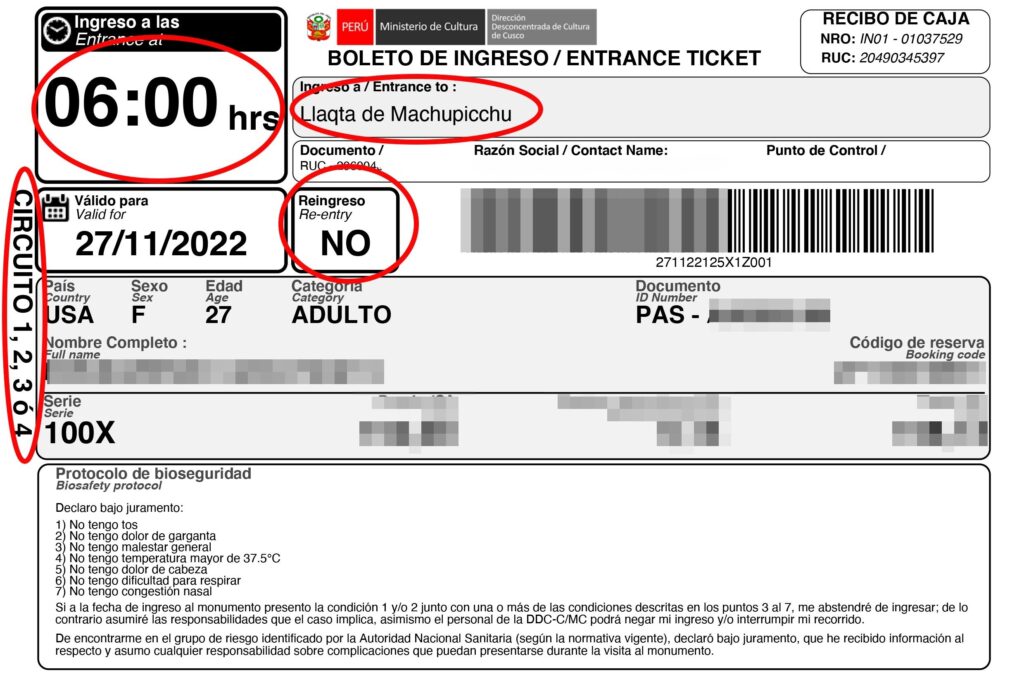
Machu Picchu Tickets 2027: Rules, Circuits & What Nobody Tells You Machu Picchu Tickets 2027: Rules, Circuits and What Nobody Tells You Are you planning your visit to Machu Picchu in 2027? Then this guide is for you. Beyond the excitement of experiencing one of the wonders of the world, it is essential to know exactly how your entrance ticket works — the rules are strict and mistakes are costly. Here we explain everything you need to know before buying your ticket, so you avoid the mistakes most travelers only discover at the entrance gate. Entry conditions to Machu Picchu Advance purchase: Machu Picchu is one of the most visited destinations in the world. Tickets sell out fast, especially for Huayna Picchu and Machu Picchu Mountain. Book at least 2 months in advance. Mandatory identification: your ticket is linked to your passport or ID number, which you must present at the entrance. Without it, access is denied — no exceptions. Strict schedule: you must enter at the exact time stated on your ticket. If you arrive late, you lose your entry. There is no flexibility and no refund. No re-entry: once you exit Machu Picchu, you cannot re-enter. Plan your visit carefully and use restrooms before entering. Limited time inside: your stay depends on the circuit you choose and typically ranges from 2 to 4 hours. Terms of use you must respect Non-transferable: the ticket is personal. You cannot change the name or give it to another person — the ID must match. Fixed circuits: you cannot explore Machu Picchu freely. You must follow the specific route of the circuit you selected at purchase. Single-entry only: the ticket is valid for one entrance on the date and time issued. Guides recommended: some circuits strongly recommend entering with an authorized guide, who provides historical context and enriches the visit significantly. Prohibited items inside the sanctuary The following items are strictly prohibited to protect the archaeological site: Drones — banned under all circumstances. Tripods and selfie sticks. Food and drinks (only water in reusable bottles is allowed). Large backpacks: maximum permitted size is 40 × 35 × 20 cm. Bigger bags must be left in the storage lockers near the entrance. Trekking poles with metal tips (rubber-tipped only, for elderly or disabled visitors). No restrooms inside the citadel There are no bathrooms inside Machu Picchu. The only restrooms are located at the main entrance, right next to the ticket check and the storage lockers. Use them before entering — once inside, you cannot come out and go back in. Common mistakes to avoid Waiting until the last minute to book — remember that tickets are not sold at the entrance. You can only enter with a pre-purchased ticket with confirmed date and circuit. Confusing bus schedule with entry schedule — allow at least 60 minutes between boarding the Consettur bus in Aguas Calientes and your entry time. Forgetting your passport or bringing an expired copy. Buying from unauthorized resellers — always purchase through the official channels or a certified travel agency. How far in advance should you book? It is recommended to book at least 2 months in advance. This will let you choose the circuit that interests you most, organize your trip with peace of mind, and secure your visit without setbacks. Routes such as Machu Picchu Mountain and Huayna Picchu have a strictly limited number of permits per day, so booking early is essential to avoid missing the experience. If you are visiting during high season (May to October), we recommend booking 3 to 4 months ahead. Ready to book? Our team at Incari Travel handles the entire process — tickets, circuit selection, bus, and guide — so you focus only on the experience. VIP Access Special Offers Unlock exclusive discounts on Cusco treks, complimentary luxury hotel upgrades, and tailored family packages for your upcoming adventure in Peru. Book Now THE BEST TOURS IN SOUTH AMERICA A curated selection of experiences in Peru, Bolivia, Argentina, Colombia, and the Dominican Republic. Discover fully customizable trips, crafted by local experts and backed by our clients’ reviews 15 Days Andean Peru Machu Picchu, Nazca Lines, Colca Canyon, Cusco and the Sacred Valley. Discover Route 11 Days Majestic Peru Machu Picchu, Huacachina Oasis, Cusco and the waters of Lake Titicaca. Discover Route 9 Days Peruvian Journey A deep dive through Machu Picchu, Cusco and Lake Titicaca. Discover Route
Is It Safe to Walk at Night in Cusco? Safe Areas, Zones to Avoid & Tips
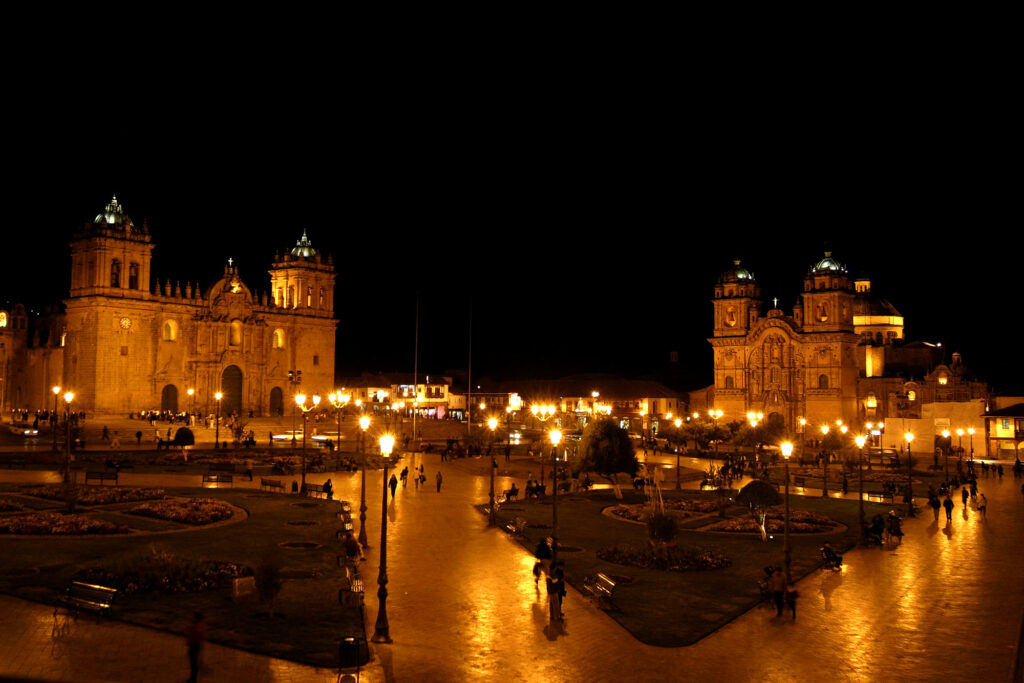
Is It Safe to Walk at Night in Cusco? Safe Areas, Zones to Avoid & Tips Is It Safe to Walk at Night in Cusco? If you plan to explore Cusco after sunset, one of the most common questions is whether it’s safe to walk around the city at night. The honest answer: yes, in most tourist areas — but as in any city in the world, some zones require extra caution. Here is the essential guide to enjoying Cusco’s magical nights with peace of mind. Safe areas to walk at night in Cusco The Historic Center of Cusco is generally safe and well-lit, with visible police presence on its main streets throughout the night. Some of the best areas to explore after dark include: Plaza de Armas de Cusco: the heart of the city, known for its beautiful colonial architecture, illuminated cathedrals, and lively atmosphere. Restaurants and cafés stay open late. San Blas neighborhood: perfect for enjoying its bohemian streets, artisan shops, cozy bars, and viewpoints over the city. A must at night. Avenida El Sol: one of the city’s main avenues, lined with shops, cafés, ATMs, and restaurants that stay open late — well-lit and with regular pedestrian traffic. In these areas you can stroll worry-free, try the local cuisine, and enjoy Cusco’s vibrant nightlife. Areas that are best avoided Although Cusco is generally a safe tourist destination, there are some zones where it is advisable to take extra precautions after dark: Streets far from the city center, especially those with limited street lighting. The upper parts of the city (residential neighborhoods on the hillsides), which are less frequented by tourists. Less touristy areas, which can feel isolated and quiet at night. Around the San Pedro Market and the train station area late at night — safe by day, worth avoiding after 10 p.m. Safety tips for going out at night Use registered taxis or apps (like InDrive or Cabify) instead of walking long distances or hailing street taxis. Avoid walking alone on unfamiliar streets — especially in the early morning hours. Keep your phone and valuables out of sight. Petty theft is more common than any violent crime. Carry a photocopy of your passport, not the original, when going out at night. Only bring the cash you need; leave cards and larger amounts in your hotel safe. Trust your instincts. If a street feels wrong, turn around — there’s always another route. What about altitude and alcohol? An underrated safety topic: alcohol hits harder at high altitude. Cusco sits at 3,400 m (11,150 ft), so two drinks can feel like four. Combined with unfamiliar streets and cold nighttime temperatures, this is when travelers get into trouble. Drink moderately, especially during your first two days in the city. Emergency numbers you should have Police (Cusco): 105 Tourist Police (POLTUR): located near the Plaza Regocijo — English-speaking officers. Emergency medical: 106 Save your hotel’s phone number in your contacts before going out. Conclusion: Cusco at night, with caution Cusco is a fascinating city to explore at night, offering countless options to enjoy its history, culture, and gastronomy. From the illuminated Plaza de Armas to the bohemian charm of San Blas, the city has a very different soul after sunset. As with any destination in the world, the key is to take basic precautions, stick to well-lit tourist areas, and avoid isolated zones. With common sense, walking at night in Cusco is a memorable experience — and one you shouldn’t miss. VIP Access Special Offers Unlock exclusive discounts on Cusco treks, complimentary luxury hotel upgrades, and tailored family packages for your upcoming adventure in Peru. Book Now THE BEST TOURS IN SOUTH AMERICA A curated selection of experiences in Peru, Bolivia, Argentina, Colombia, and the Dominican Republic. Discover fully customizable trips, crafted by local experts and backed by our clients’ reviews 15 Days Andean Peru Machu Picchu, Nazca Lines, Colca Canyon, Cusco and the Sacred Valley. Discover Route 11 Days Majestic Peru Machu Picchu, Huacachina Oasis, Cusco and the waters of Lake Titicaca. Discover Route 9 Days Peruvian Journey A deep dive through Machu Picchu, Cusco and Lake Titicaca. Discover Route
Inti Raymi 2027 in Cusco: Festival of the Sun Complete Guide & Tickets
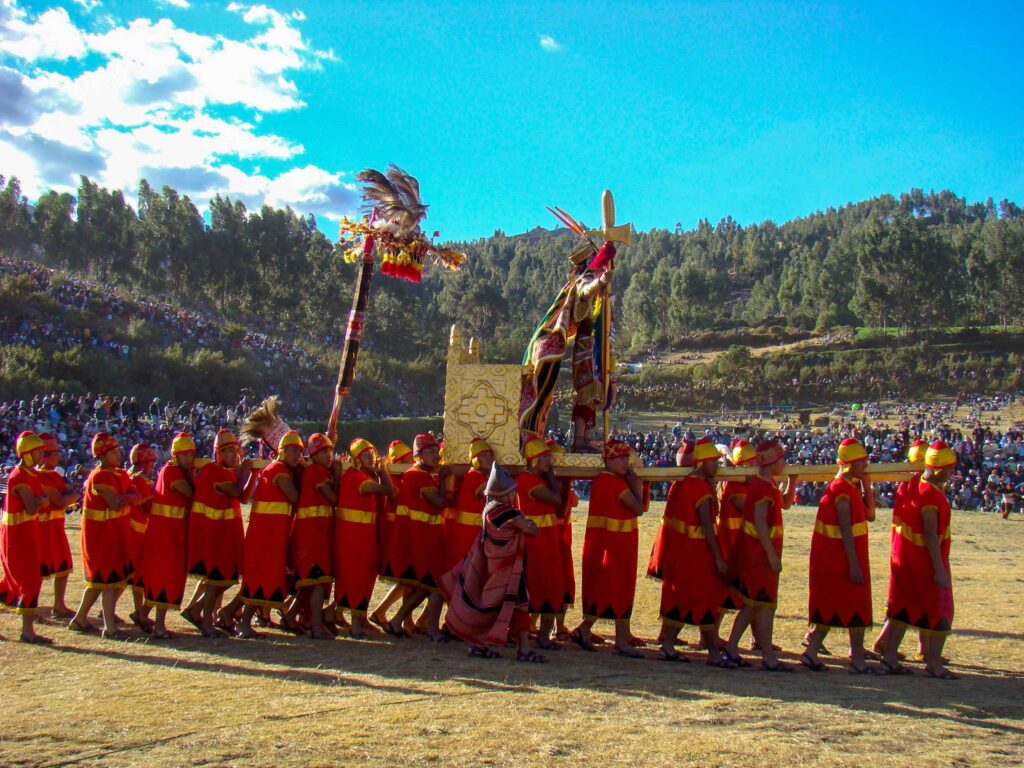
Inti Raymi 2027 in Cusco: Festival of the Sun Complete Guide & Tickets Inti Raymi 2027 Ticket Availability: Everything You Need to Know Before Booking Inti Raymi is one of Cusco’s most iconic festivities and one of the largest cultural events in South America, celebrated every June 24. This spectacular reenactment brings back to life the ancient Inca ceremony in honor of the Sun God (Inti) and unfolds across three historic stages: the Qorikancha temple, the Plaza de Armas, and the Sacsayhuamán fortress. The climax takes place at Sacsayhuamán, where more than 700 actors and actresses stage an imposing performance lasting approximately 2 hours and 30 minutes. Tickets are limited, demand is enormous, and last-minute availability is virtually nonexistent. Book your seat in advance — it is the only way to secure your spot at this once-in-a-lifetime celebration. Origins and meaning of Inti Raymi Inti Raymi is the most important festival in Cusco and one of the most emblematic celebrations of Andean culture. Its origins date back to the 12th century, during the height of the Inca Empire, when it was performed in honor of Inti, the supreme deity of the Incas. More than eight hundred years later, the people of Cusco continue to pay tribute to this ancestral tradition with an imposing staged reenactment that draws thousands of visitors from around the world. The date has remained unchanged since Inca times: June 24, coinciding with the winter solstice in the Southern Hemisphere, the moment when the Sun reaches its closest point to Earth. During the Tahuantinsuyo era, the ceremony extended over several days and gathered thousands of people in a grand ritual of gratitude. Today, Inti Raymi is condensed into a single day of majestic performance across three stages loaded with history. The three stages of Inti Raymi and their ticket modalities Inti Raymi takes place at three different venues, and the seating modality varies at each location: Qorikancha (9:00 AM): the esplanade offers 350 chairs located directly in front of the stage, guaranteeing a privileged view of the opening ceremony. Around 5,000 people gather in this space, but seating is exclusive to those who purchase their ticket in advance. Plaza de Armas (10:00 AM): a completely free and open-to-the-public performance. The show begins with the Inca and the Coya being carried on litters around the plaza, accompanied by chants, dances, and the coca leaf reading ceremony. It lasts approximately 45 minutes and is witnessed by nearly 5,000 attendees without fixed seating. Sacsayhuamán (2:00 PM): features 3,500 seats distributed across three grandstands (Orange, Red, and Green) surrounding the main stage. Those who do not acquire a ticket for one of these areas will not be able to appreciate the performance, since it is only visible from these stands. Select your area for Inti Raymi Legend: Available Reserved Stage GREEN SECTION RED SECTION ORANGE SECTION Orange Tribune With a central view and premium seating, the Orange Tribune is the best option to experience Inti Raymi in all its majesty. From here, you’ll enjoy a complete panorama of the spectacle and the cultural richness of this great ancestral celebration. 1,768 Seats From: $350 USD $320 USD RESERVE NOW Inti Raymi at Qorikancha: the opening ritual (9:00 AM) The performance at the Qorikancha esplanade is the first of the day and one of the most attended. It starts at 9:00 AM and lasts 45 minutes. In this venue, the Inca appears amid the jubilation of the attendees, while live music and dances create an atmosphere of intense celebration. Around 5,000 people gather at the esplanade, but only 350 people can enjoy the show from a seat in front of the stage. Everyone else must find a good position in the surrounding streets to obtain a privileged view, which means arriving several hours in advance. That is why it is essential to reserve these tickets together with your Sacsayhuamán entry, preferably 2 to 3 months in advance. To secure one of the 350 seats available for the Qorikancha show, you must add this option at the moment of purchase, where you can also acquire it alongside your Sacsayhuamán ticket so you don’t miss a single detail of this celebration. Inti Raymi at Plaza de Armas: free but strategic (10:00 AM) The Inti Raymi at the Plaza de Armas stands out as a street performance in the very heart of Cusco. During this show, the Inca and the Coya move around the plaza on litters, accompanied by the representatives of the four regions of the empire, while chants and traditional dances take place. The ceremony culminates with the coca leaf reading at the center of the plaza. With a duration of 45 minutes (starting at 10:00 AM), the event is enjoyed by approximately 5,000 people. Since no seats are assigned, the experience depends on finding the best possible spot within the crowded plaza. Reserving a balcony at a commercial establishment offers a comfortable and secure alternative to enjoy the show. From one of the plaza’s balconies you can watch the ceremony comfortably, safely, and even with a coffee or beer in hand. However, these reservations also sell out quickly during Inti Raymi week. Another lesser-known option is finding a spot on the steps at the front of the Cusco Cathedral. However, to secure a place there, it is recommended to arrive up to 4 hours before the performance. Many Cusco locals start looking for these spots in the earliest hours of June 24. Inti Raymi at Sacsayhuamán: the main ceremony (2:00 PM) The main show of Inti Raymi takes place at Sacsayhuamán. During the performance, the Inca — played by a renowned Cusco actor — appears alongside his wife (the Coya), his royal retinue, the high priest, and the representatives of the four regions of the Inca Empire: the Chinchaysuyo, Contisuyo, Antisuyo, and Collasuyo. The reenactment includes the performance of a soprano vocalist, live music, and the symbolic offering of a llama to the fire, among many other elements. With a duration of
Tours to Machu Picchu 2027: Circuits, Routes & Complete Guide
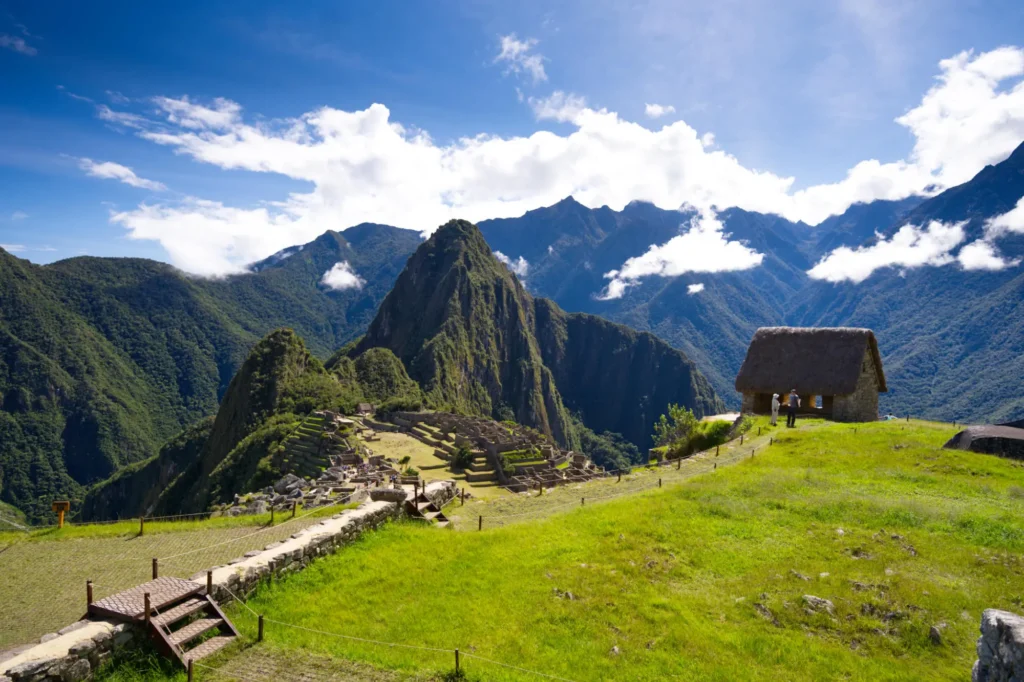
Tours to Machu Picchu 2027: Circuits, Routes & Complete Guide What I Learned Traveling to Machu Picchu (and Why I’d Book 2027 Right Now) I made the classic mistake. I started planning my Machu Picchu trip six weeks before flying to Peru, thinking that would be “enough time.” It wasn’t. I ended up on a train departing at an inconvenient hour, in a hotel that was fine but not the one I wanted, and without the Huayna Picchu ticket that had been the whole reason I chose those dates. When I finally stood at the citadel and realized what I had almost missed, I understood something obvious that nobody had told me directly: Machu Picchu isn’t a place you improvise. If you’re thinking about going in 2027, I’m going to save you the anxiety I went through — and be honest about what I’d do differently. My first impression when I saw the citadel Nothing prepares you for that first look over the terraces. I had seen the photo a thousand times — on postcards, on Instagram, in my mother’s living room — and I still stood there for a long time without saying anything. It’s not just the view. It’s the altitude, the silence between one group and the next, and the physical realization that you’re walking through something built more than 500 years ago by people who understood the mountain better than any modern architect I know. That’s when I started to understand why so many friends had told me “you have to go” without being able to explain exactly why. What I want to share with you here isn’t a technical guide. It’s what I would tell a friend who asked me: “Should I go to Machu Picchu in 2027, and if so, how?” The answer is yes. But there are things you need to know before booking anything. When I’d actually recommend traveling in 2027 I went at the end of April and I got the weather formula right almost by accident. Cusco was already dry, the mornings were cold but sunny, and there were noticeably fewer people than in the photos I’d seen from July. If I were choosing dates for 2027 today, I would look at the calendar this way: Late April and early November 2027: the sweet spot. Manageable prices, green landscapes, and mornings that don’t feel like a stampede. If I go back, it’s during one of these two windows. May through October 2027: guaranteed weather but real crowds. If your dates fall here, don’t wait — start booking 4 to 6 months out. I mean it. December 2026 to March 2027: fewer tourists, lush green everywhere, and the risk that a landslide reroutes your train. The Inca Trail is completely closed in February for annual maintenance — I didn’t know that in time and it almost ruined my plan B. Dates I would personally avoid: Easter Week, June 24 (Inti Raymi turns Cusco into a beautiful chaos, but chaos), July 28-29 (Peru’s Independence Day), and the last week of December. Not because they’re bad — because everything costs double and sells out first. The numbers that convinced me to book early (and that I’ll share with you now) I’m not going to tell you “book early” like a travel agent. I’ll tell you why I’d do it, with the numbers I learned the hard way: Only 4,500 people enter Machu Picchu per day, split into strict time slots. It’s not “just show up.” If your slot is 10:00 AM, that’s when you go in — not 9:30, not 10:45. Huayna Picchu: 200 spots. Per day. In dry season they sell out 3 to 5 months in advance. This was the ticket I missed, and it’s the one I regret most. Machu Picchu Mountain: 400 spots a day. A little more flexibility, but I’ve heard from other travelers that it also sells out about 2 months out. Trains: the morning outbound and late-afternoon return are the first to fill. If you don’t book on time, either you end up at bad hours or you pay double for a premium class you didn’t want. Hotels in Aguas Calientes: the well-located ones with real value for money close out months ahead in high season. The rest are options you don’t really want. The real math is this: booking late doesn’t just cost more money. It costs you the experience you were imagining. The circuits I did (and the one I wish I had chosen) When I bought my ticket, nobody explained clearly that Machu Picchu doesn’t work like a normal tourist site anymore. Since the Ministry of Culture reorganized the flow, you don’t just “go into Machu Picchu” — you pick a circuit, and that circuit decides what you see and where you can walk. This system stays in effect for 2027, and knowing it beforehand would have saved me from choosing wrong. Circuit 1 – Panoramic: this is the postcard route. Upper terrace, the iconic view, and in high season it can include Intipunku (the Sun Gate) or the Inca Bridge. If you’re going only for the photo and have limited time, this is enough. It felt short to me. Circuit 2 – Classic: the one I did. It covers the Main Plaza, the Temple of the Sun, the Intihuatana, and the Sacred Rock. If it’s your first time in Machu Picchu, don’t overthink it: this is the one. You get the panoramic view AND you walk through the citadel. Circuit 3 – Royalty: the one I wish I had chosen. Combines the citadel with the hike up Huayna Picchu, Huchuy Picchu, or the Temple of the Moon. Physically demanding, but the photos of people who did it left me in disbelief. My honest take: if you’re a first-timer in 2027, book Circuit 2. If you’ve been before or you’re going for the adventure, aim straight for Circuit 3. Circuit 1 only makes sense if your trip is one day of stopover
Rainbow Mountain or Humantay Lake: 5 Essential Tips Before You Go
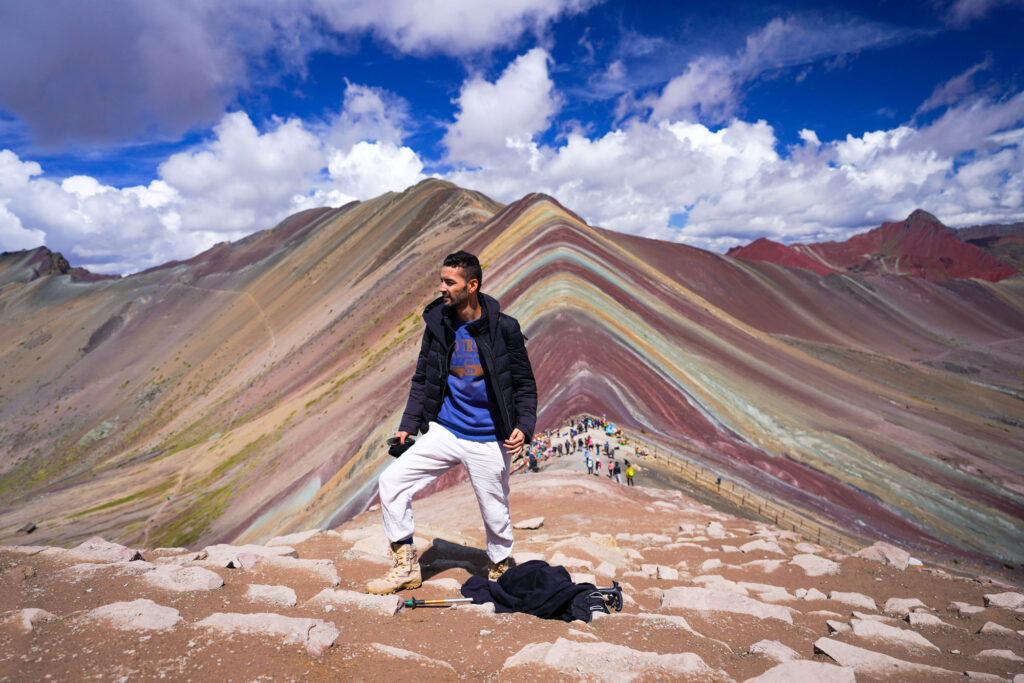
Rainbow Mountain or Humantay Lake: 5 Essential Tips Before You Go Key Tips Before Visiting Rainbow Mountain or Humantay Lake If you are planning to hike to Humantay Lake or Rainbow Mountain (Vinicunca), there are a few essential things you should know to make the most of your experience — and to avoid the mistakes that ruin the day for so many unprepared travelers. Both treks reach altitudes above 4,000 meters, and the weather, terrain, and physical demand require serious preparation. Here are five key tips to enjoy them safely. 1. Acclimatization and altitude sickness Both destinations sit above 4,000 meters (13,000 ft), with Rainbow Mountain reaching 5,200 m (17,060 ft) and Humantay Lake at 4,200 m (13,780 ft). Altitude sickness (soroche) is real and can seriously affect your experience. It is essential to acclimatize in Cusco for at least two full days before attempting either hike. To prevent altitude sickness, you can: Drink coca tea or chew coca leaves, a traditional Andean remedy. Bring altitude sickness tablets such as “Sorojchi Pills” — available in any Cusco pharmacy. Use Agua de Florida, inhaling it during moments of dizziness or fatigue on the trail. Eat light meals the night before and drink plenty of water. 2. Appropriate clothing and footwear The weather in the highlands is famously unpredictable — you can have sun, rain, hail, and wind within a single hour. Dressing properly makes the difference between a magical hike and a miserable one: Thermal base layer and a windproof waterproof jacket. Gloves and a warm hat — mornings can drop below freezing. Trekking shoes with good grip — trails are rocky and often muddy. Wear layers you can remove as the day warms up. 3. Hydration and snacks Hydration matters more at altitude than at sea level. Bring: At least 1.5 to 2 liters of water per person for the hike. Fruit, nuts, and energy bars to keep your blood sugar stable. Avoid heavy meals right before starting the trek. 4. Sun protection Even when the sky looks cloudy, solar radiation at these altitudes is brutally intense — sunburns happen fast and severely. Don’t skip: High-SPF sunscreen, applied before starting and reapplied during the hike. UV-protection sunglasses. A wide-brim hat or cap to protect your face, ears, and neck. Lip balm with SPF — lips crack quickly at altitude. 5. Ascent options: horses, motorcycles, and ATVs If you prefer to avoid the full uphill hike, there are alternatives to make the ascent easier — perfect for older travelers, families, or anyone struggling with altitude: At Humantay Lake: you can ride a horse up to a certain point along the trail. At Rainbow Mountain: options include horses, motorcycles, and ATVs. Important: in both cases, transportation only covers part of the route. The final section must always be done on foot, no exceptions. Final tip: choose the right day and start early Weather during the dry season (May to October) is far more reliable than in the rainy months. Whichever destination you pick, most tours leave Cusco between 3:00 and 4:00 a.m. to reach the trailhead early and avoid afternoon rain. Prepare your gear the night before, sleep well, and if this is your first time hiking at high altitude, be honest with yourself about your fitness. When in doubt, choose Humantay Lake first — it is slightly less demanding and a beautiful introduction to Andean trekking before tackling Rainbow Mountain. VIP Access Special Offers Unlock exclusive discounts on Cusco treks, complimentary luxury hotel upgrades, and tailored family packages for your upcoming adventure in Peru. Book Now THE BEST TOURS IN SOUTH AMERICA A curated selection of experiences in Peru, Bolivia, Argentina, Colombia, and the Dominican Republic. Discover fully customizable trips, crafted by local experts and backed by our clients’ reviews 15 Days Andean Peru Machu Picchu, Nazca Lines, Colca Canyon, Cusco and the Sacred Valley. Discover Route 11 Days Majestic Peru Machu Picchu, Huacachina Oasis, Cusco and the waters of Lake Titicaca. Discover Route 9 Days Peruvian Journey A deep dive through Machu Picchu, Cusco and Lake Titicaca. Discover Route
How to Stay Connected in Peru: Wifi, SIM, Local SIM or Roaming
How to Stay Connected in Peru: Wifi, SIM, Local SIM or Roaming How to Stay Connected in Peru: A Guide for Latin American Travelers If you are traveling to Peru and wondering how to stay connected without hassle, this guide is for you. From free airport Wi-Fi to international eSIMs and affordable local SIM cards, we walk you through all the best options to have internet, make calls, and use apps safely and conveniently during your trip. Free Wi-Fi at Jorge Chávez International Airport The moment you land in Lima at Jorge Chávez International Airport, you have access to free Wi-Fi 24/7. Simply look for the network “FreeAeropuertoLima”, follow the login steps, and you will be online in seconds. It’s a great option to check in with your family, order a ride, or download offline maps before heading into the city. Holafly eSIM: unlimited data without complications If you prefer to stay connected from the moment you land — without hunting for a store or dealing with paperwork — the Holafly eSIM is one of the most convenient options for travelers: Unlimited data plans available for different trip lengths. No need to remove or replace your physical SIM card. Instant activation by scanning a QR code. You keep your original number active for WhatsApp and important calls. Ideal for short trips or travelers who want zero friction on arrival. Local SIM cards: Claro and Movistar If you prefer a more affordable option, buying a local SIM card is easy and cheap. The two main providers in Peru are Claro and Movistar, both with strong coverage across Cusco, Lima, and most tourist regions: Where to buy: official stores at the airport, shopping malls, and authorized dealers throughout the city. Requirement: bring your passport — registration is mandatory by law. Cost: data packs are significantly cheaper than roaming, with generous data allowances for the price. Recommendation: Claro tends to have better coverage in remote areas such as the Sacred Valley and Rainbow Mountain trails. International roaming with your home carrier If you already have a Claro or Movistar number in your home country, you may be able to activate international roaming before you travel. This is convenient because you keep your original number, but be careful: Roaming rates can be significantly more expensive than a local SIM or eSIM. Always check the fine print — some plans throttle data speed after a few gigabytes. Best for short stays or emergency backup. Which option should you choose? Short trip (under 7 days): Holafly eSIM for maximum convenience. Longer trip (10+ days): local Claro SIM for the best value. Just need occasional access: free airport and hotel Wi-Fi + roaming as backup. Traveling to remote areas: download offline maps (Google Maps, Maps.me) and offline translation apps before you go. Choose the best option and stay connected in Peru Whether you prefer free Wi-Fi, an eSIM, a local SIM card, or roaming, these options will let you enjoy your Peruvian adventure without worrying about lost connections. And remember: at high altitude destinations like Rainbow Mountain or the Salkantay trek, mobile signal can be limited — always share your itinerary with someone before heading into remote areas. Ready to explore Peru? Contact us and we will help you plan your trip with all the practical details covered. VIP Access Special Offers Unlock exclusive discounts on Cusco treks, complimentary luxury hotel upgrades, and tailored family packages for your upcoming adventure in Peru. Book Now THE BEST TOURS IN SOUTH AMERICA A curated selection of experiences in Peru, Bolivia, Argentina, Colombia, and the Dominican Republic. Discover fully customizable trips, crafted by local experts and backed by our clients’ reviews 15 Days Andean Peru Machu Picchu, Nazca Lines, Colca Canyon, Cusco and the Sacred Valley. Discover Route 11 Days Majestic Peru Machu Picchu, Huacachina Oasis, Cusco and the waters of Lake Titicaca. Discover Route 9 Days Peruvian Journey A deep dive through Machu Picchu, Cusco and Lake Titicaca. Discover Route
