
Colca Canyon, Peru
One of the deepest canyons on Earth — where Andean condors soar above pre-Inca terraces and traditional villages still shape the land.
Volcanoes, condors and living tradition.
The Colca Canyon is one of Peru's most impressive natural destinations and one of the main attractions of Arequipa. Recognized as one of the deepest canyons in the world, it offers spectacular landscapes, traditional Andean villages, natural hot springs, millenary agricultural terraces and the chance to observe the majestic Andean condor in its natural habitat.
Just a few hours from the city of Arequipa, the Colca Valley and Canyon combine nature, culture and history in a unique setting surrounded by volcanoes and mountains that rise above 6,000 meters. Its striking pre-Inca terraces, still farmed by local communities, reveal the agricultural genius of ancient Andean civilizations.
Beyond its extraordinary landscapes, the Colca offers excellent tourism infrastructure — luxury hotels, lodges, hot springs and authentic experiences that bring travelers close to the traditions of the valley's peoples. Popular activities include hiking, birdwatching, cultural tours, canyon treks, community-based tourism and visits to the most spectacular viewpoints in southern Peru.
Terraces older than the Incas
The Colca Valley was inhabited by ancient Andean cultures long before the expansion of the Inca Empire. For centuries, its inhabitants developed complex agricultural systems that gave rise to the famous terraces that still define the landscape today.
After the arrival of the Spanish in the 16th century, new settlements were established, giving origin to today's villages — Chivay, Yanque, Maca, Cabanaconde, Lari and Madrigal. During the colonial era, the mining wealth of the region funded the construction of impressive Baroque churches, many of which are still preserved.
International interest in the Colca grew during the 20th century, when aerial studies revealed to the world the magnitude of its agricultural terraces and the spectacular depth of the canyon.
Between volcanoes and the Colca River
The Colca Canyon lies approximately 160 kilometers north of Arequipa, in the southern Peruvian Andes. Its formation is the result of millions of years of geological activity and erosion caused by the Colca River, which cuts through the valley creating one of the most breathtaking landscapes in South America. The region is surrounded by iconic volcanoes such as Coropuna and Ampato, along with numerous snow-capped peaks that dominate the Andean horizon.
What awaits in the valley
Viewpoints, colonial villages, geological wonders — the essentials of any Colca journey.

Cruz del Cóndor
This is the most famous spot in the Colca and one of the most visited viewpoints in the Arequipa region. From here you can take in the vastness of the canyon and witness the spectacular flight of the Andean condor — one of the largest flying birds on the planet.
The best hours for condor observation are typically between 7:00 and 9:00 in the morning.

Yanque
Considered one of the most beautiful villages in the valley, Yanque stands out for its colonial architecture, cultural traditions and the elegant Church of the Immaculate Conception — one of the jewels of Peruvian mestizo Baroque.
Cabanaconde
Located close to Cruz del Cóndor, Cabanaconde is the starting point for the most popular hikes down into the bottom of the canyon. From here, trekking routes cross spectacular landscapes and small Andean villages.

Maca
This picturesque village offers striking views of the Sabancaya and Hualca Hualca volcanoes. Nearby, travelers can observe ancient pre-Inca chullpas and vast agricultural terraces that cover the surrounding mountains.

Valley of the Volcanoes
Located near Andagua, this remarkable landscape holds dozens of small volcanic cones formed thousands of years ago. It is considered one of the most extraordinary geological settings in Peru.
Further essentials
Specific landmarks worth seeking out along the way.
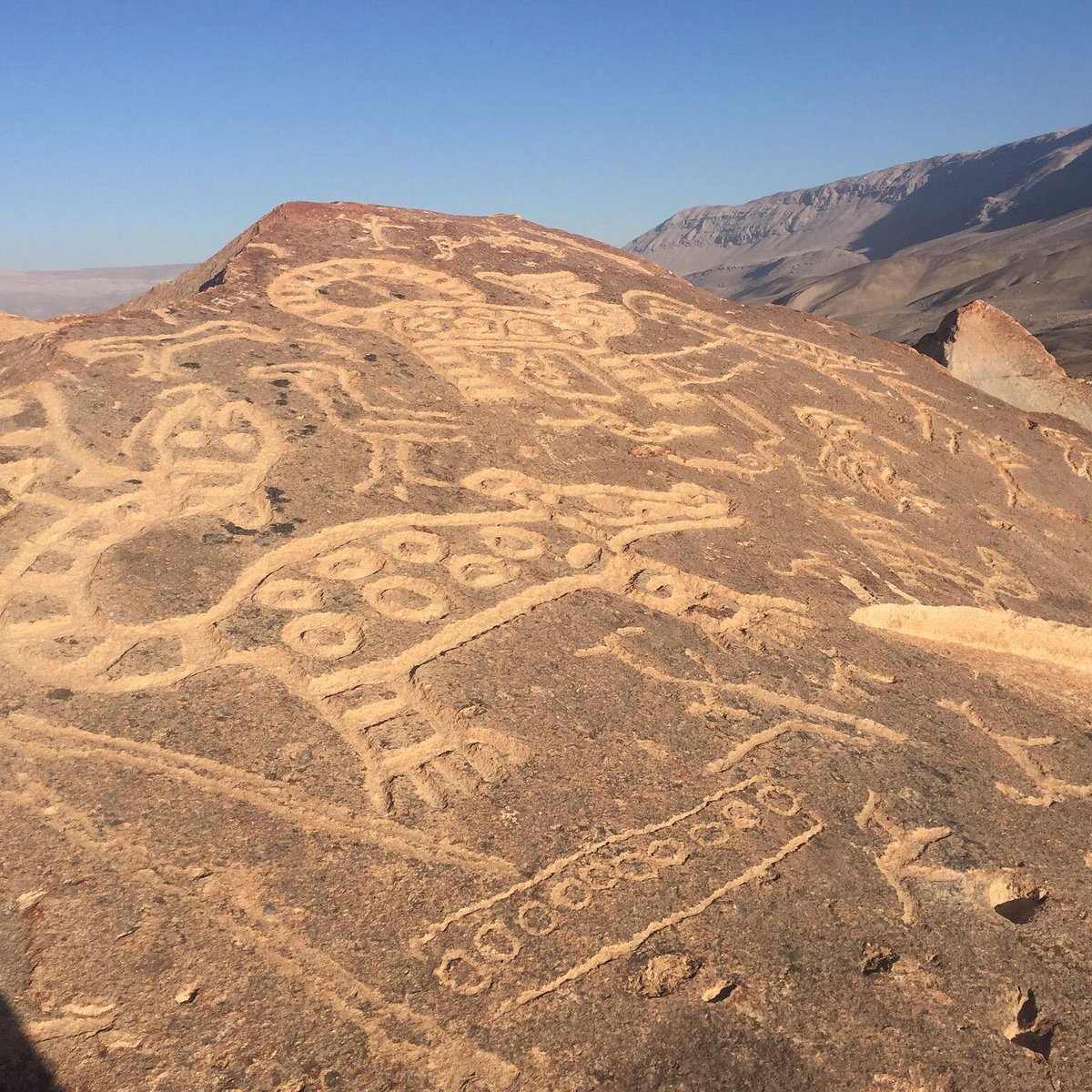
Toro Muerto Petroglyphs
One of the most fascinating archaeological sites in Arequipa. Here you'll find thousands of rock engravings made more than a thousand years ago by ancient Andean cultures, depicting human figures, animals and geometric symbols.
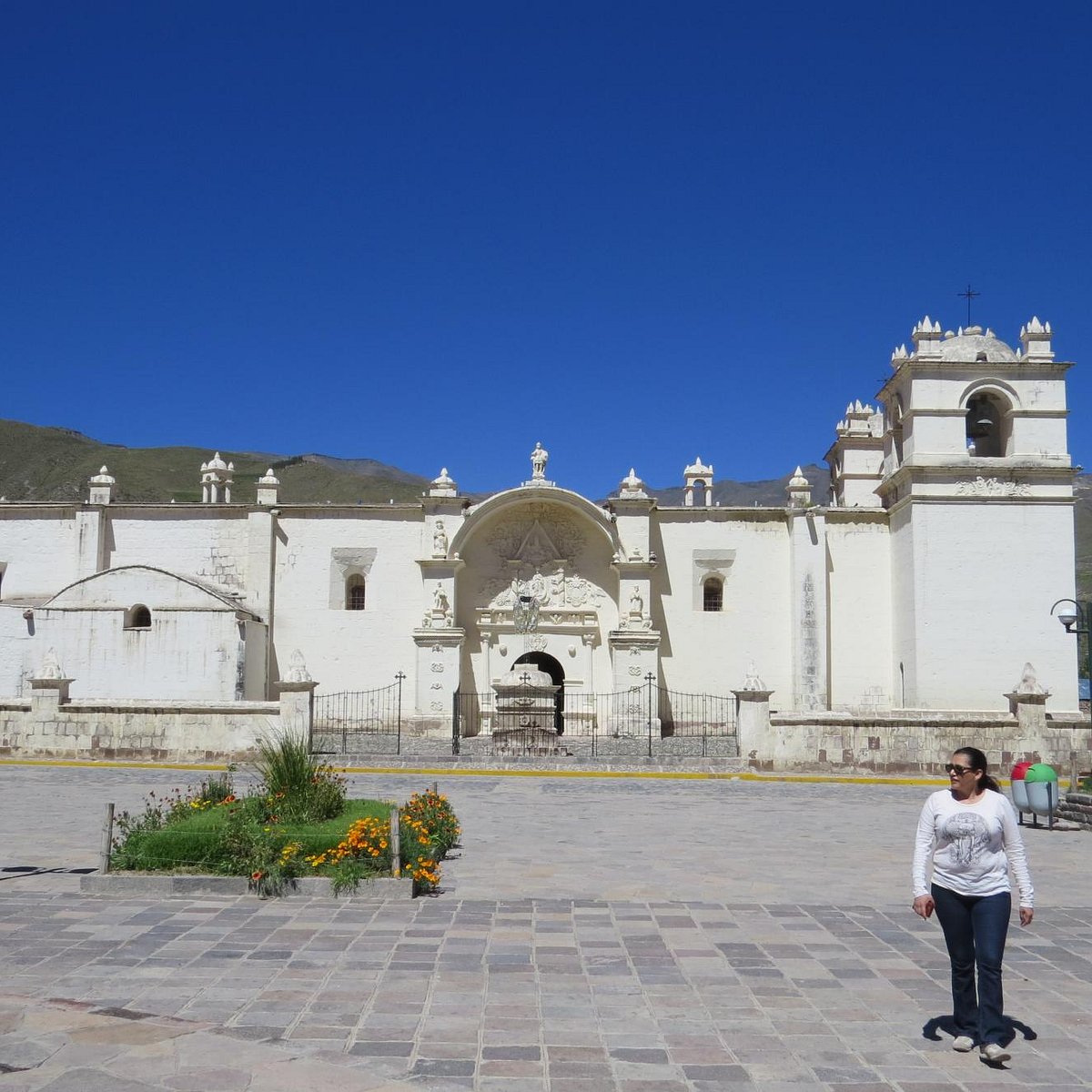
Church of the Immaculate Conception
The jewel of Yanque and one of the finest examples of Peruvian mestizo Baroque. This colonial church reflects the wealth that the region's mining once brought to the valley — and remains beautifully preserved today.

Pre-Inca Chullpas
Near Maca, ancient pre-Inca funerary towers rise from the landscape alongside extensive agricultural terraces that still cover the mountainsides — a rare window into the peoples who inhabited the valley before the Incas.
Chivay · the gateway
Chivay is the main tourist hub of the Colca Valley and the ideal base for exploring the region. Excursions to all the major attractions depart from here, and the town offers hotels, restaurants and direct access to the famous hot springs.
The hot springs of the Colca
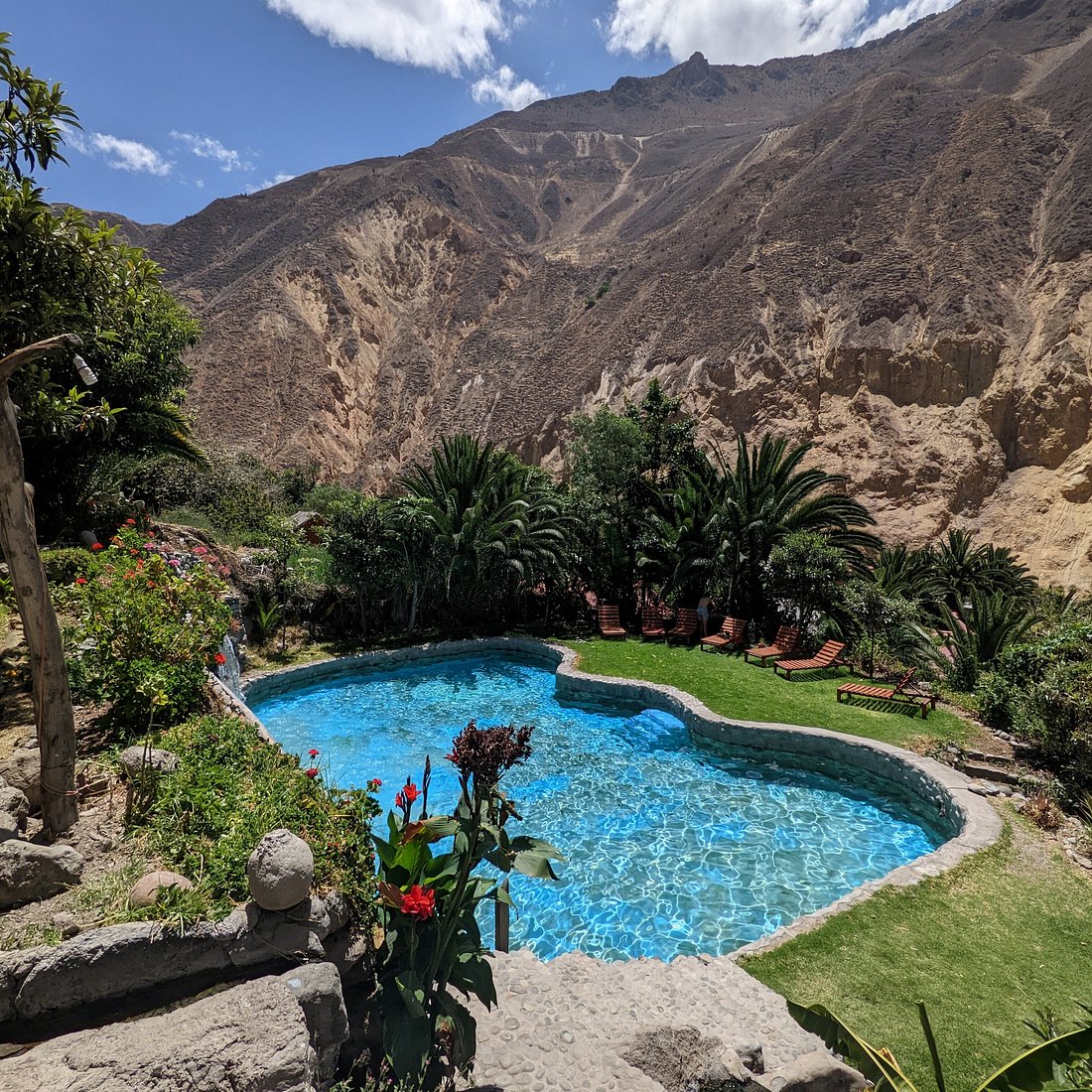
The valley's natural hot springs are one of its greatest attractions. Heated by the volcanic activity of the region, these thermal waters offer the perfect way to unwind after a day of exploration — surrounded by the same mountains that shaped the canyon over millions of years.
Is the Colca Canyon worth visiting?
Absolutely. Visiting the Colca Canyon means discovering one of the most spectacular landscapes in South America. The combination of nature, history, living culture, condor observation, traditional villages and outdoor adventure makes this destination an essential experience for any trip to Peru.
Whether you're looking for hiking, photography, Andean culture or simply the chance to admire some of the most striking scenery on the continent, the Colca Canyon is an obligatory stop during your visit to Arequipa and southern Peru.

Andean Peru
Machu Picchu, Nazca Lines, Colca Canyon, Cusco and the Sacred Valley.
Discover Route
Majestic Peru
Machu Picchu, Huacachina Oasis, Cusco and the waters of Lake Titicaca.
Discover Route
Peruvian Journey
A deep dive through Machu Picchu, Cusco and Lake Titicaca.
Discover Route