
Cusco, Peru
A complete guide to the historic capital of the Inca Empire — its history, its living architecture, and everything you should know before you go.
An imperial capital reborn, a heritage kept alive.
Cusco is one of the most visited destinations in South America and the starting point for discovering some of Peru's most breathtaking wonders. Known as the ancient capital of the Inca Empire, this city weaves together history, culture, architecture, gastronomy and spectacular landscapes that make it an essential stop for any traveler.
Declared a UNESCO World Heritage Site, Cusco offers a rare experience where the vestiges of the Inca civilization coexist with elegant colonial buildings, traditional markets and a vibrant cultural life. From here it is also easy to reach Machu Picchu, the Sacred Valley of the Incas, Rainbow Mountain and many other landmarks that make this region one of the most fascinating in Latin America.
If you are planning a trip to Peru, visiting Cusco is one of the best decisions you can make.
The capital of an empire
The history of Cusco is deeply tied to the origin and expansion of the Inca Empire. According to Andean tradition, the city was founded by Manco Cápac, considered the first Inca ruler, and quickly became the political, religious and cultural center of one of the most important civilizations in the Americas.
During the 15th century, under the leadership of the Inca Pachacutec, Cusco reached its peak and became the capital of a vast empire that stretched across much of South America. The Incas developed remarkable architectural works, advanced agricultural systems and a complex social organization that continues to astonish historians and travelers alike.
After the arrival of the Spanish in the 16th century, many Inca temples and palaces were used as the foundation for churches, convents and colonial buildings. This fusion of cultures gave rise to a city unlike any other in the world, where the Inca legacy remains present in every street and monument.
The heart of the Andes
Cusco lies in the southern highlands of Peru, in the heart of the Andes mountain range. Thanks to its strategic location, it is the gateway to Machu Picchu and to numerous landmarks throughout the region. Its mountainous setting, sweeping Andean landscapes and cultural richness make Cusco one of the most fascinating places to visit in Peru.
Elevation of the region
The city of Cusco sits at approximately 3,399 meters above sea level. Because of this altitude, some travelers may experience mild symptoms of altitude sickness during their first hours in the city. Rest on arrival, stay well hydrated and avoid intense physical activity on your first day for a smoother adaptation.
Two seasons, two experiences
Cusco enjoys a highland climate defined by two distinct seasons. Daytime temperatures generally range between 18°C and 22°C (64°F to 72°F), while nights can drop below 5°C (41°F). The moment you choose to visit shapes the atmosphere of your journey.
Considered the best time to visit Cusco. Sunny days and clear skies prevail, offering excellent conditions for excursions to Machu Picchu, the Sacred Valley and Rainbow Mountain.
Rainfall is more frequent, but landscapes turn vividly green and crowds are noticeably thinner — offering a more intimate encounter with the ancient capital.
What awaits in the city
Every corner of Cusco tells a story. Discover the imperial and colonial landmarks that have defined this city for over five centuries.
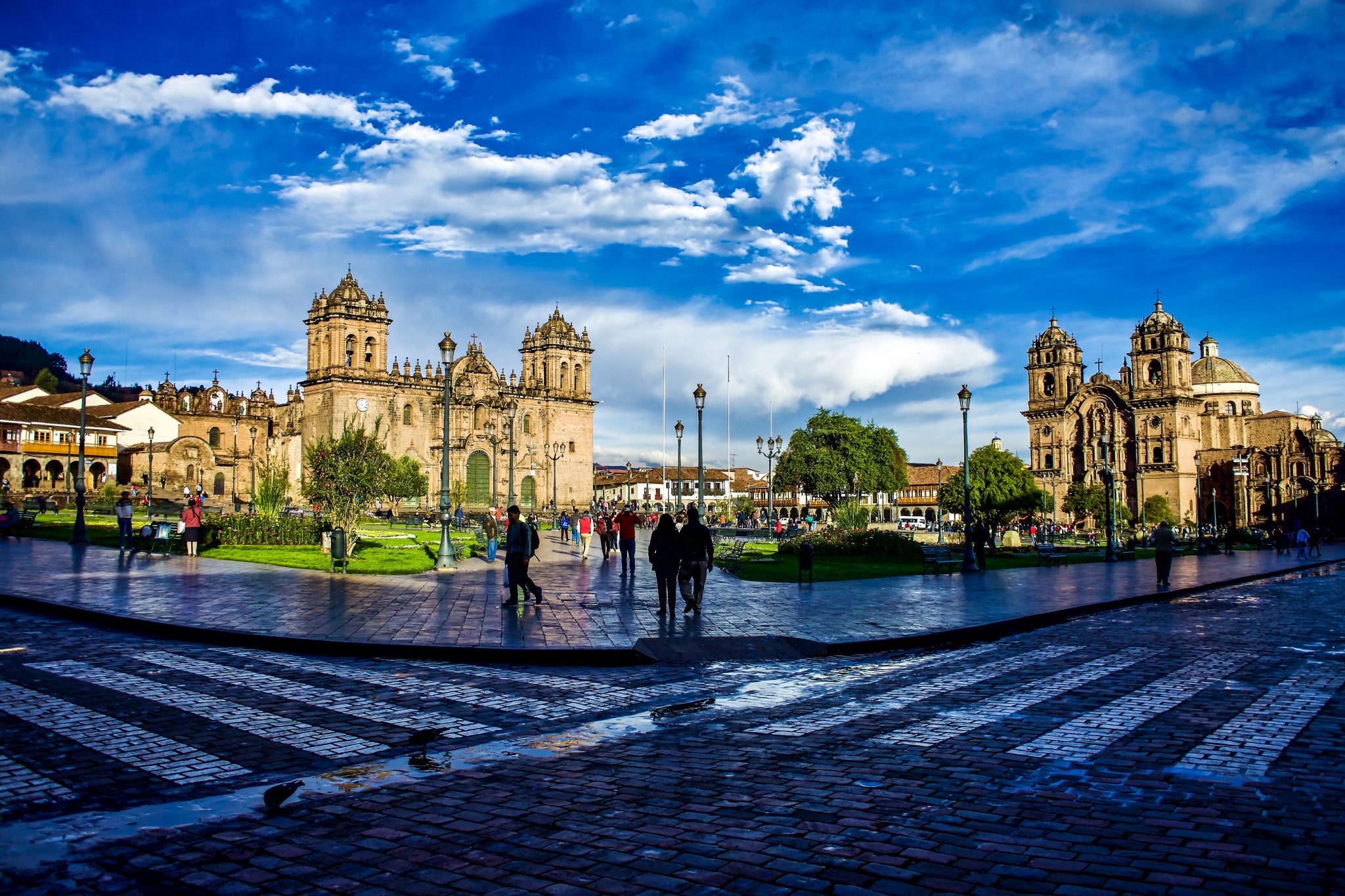
Plaza de Armas of Cusco
The Plaza de Armas is the historic heart of the city and one of the most emblematic places in Cusco. Surrounded by striking colonial buildings, restaurants, cafés and shops, it is the natural meeting point to begin any tour of the city.
This is also where major festivities take place, including Inti Raymi and other traditions that reflect the cultural richness of the region.

Cathedral of Cusco
Located in front of the Plaza de Armas, the Cathedral of Cusco is one of the most important religious monuments in Peru. Its imposing colonial architecture houses a valuable collection of religious art belonging to the renowned Cusco School.
The building itself rises over the foundations of an ancient Inca palace, a silent reminder of the layered history beneath every stone.

Qorikancha · Temple of the Sun
Before the arrival of the Spanish, Qorikancha was the most important temple in the Inca Empire. Dedicated to the Sun god, this complex stands out for its impeccable stone walls, considered one of the finest examples of Inca engineering.
Today, the site remains a striking encounter between Inca precision and colonial construction — the Santo Domingo convent rises directly on top of the temple's original walls.
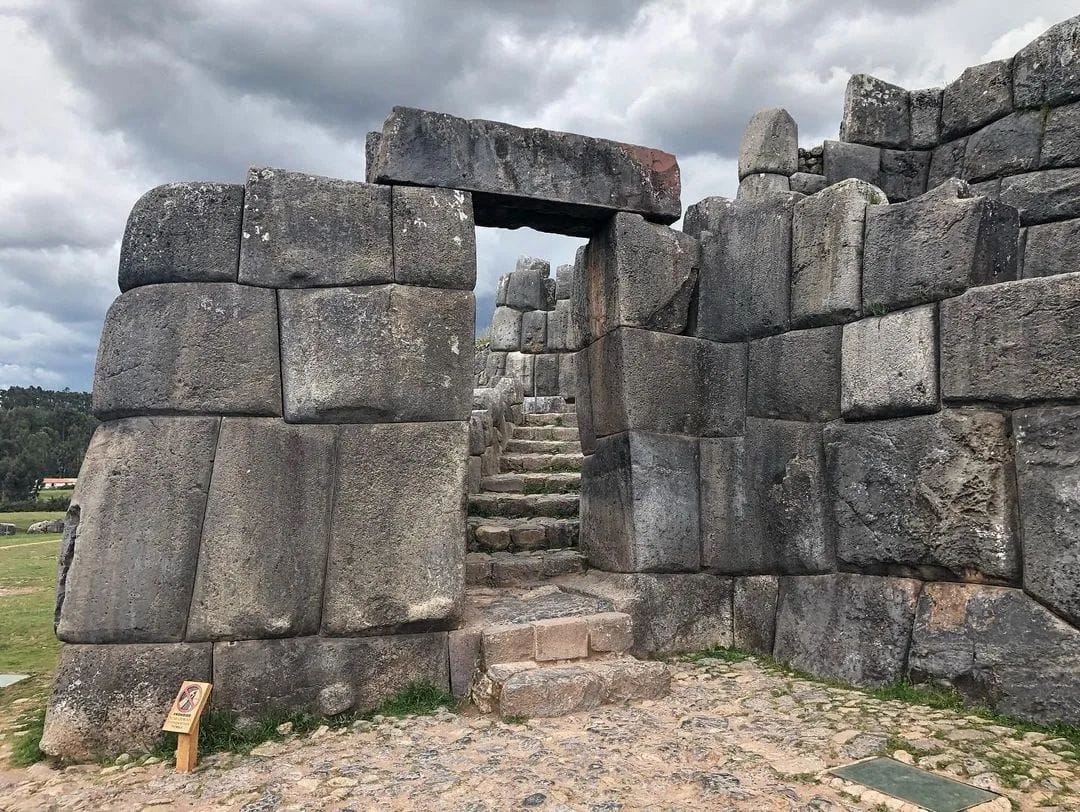
Sacsayhuamán
Sacsayhuamán is one of the most impressive archaeological sites in Cusco. This monumental ceremonial fortress is made of enormous stone blocks assembled with an extraordinary precision that still astonishes visitors from all over the world.
Beyond its historical importance, it offers some of the most spectacular panoramic views of the city below.

Barrio de San Blas
Known as the neighborhood of the artisans, San Blas is one of the most charming corners of Cusco. Its cobblestone streets, art galleries, artisan workshops and viewpoints create a bohemian atmosphere ideal for exploring on foot.
Essential excursions
Five landmarks — some inside the city, some just beyond it — that complete any journey through the ancient capital.
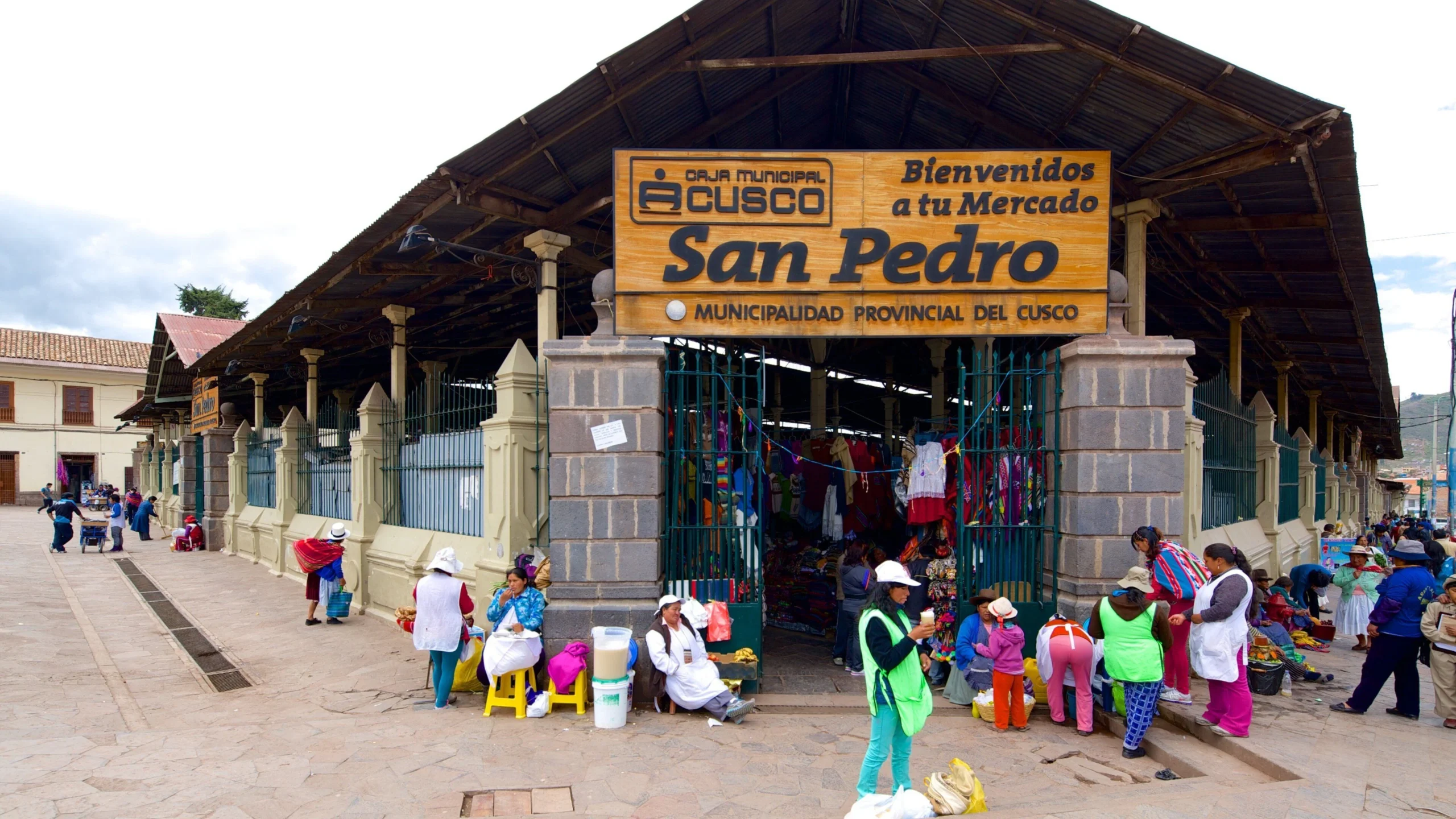
Mercado de San Pedro
The San Pedro Market is the best place to experience daily life in Cusco. Exotic fruits, Andean products, traditional handicrafts and a wide variety of typical Peruvian dishes fill every corner of this vibrant, authentic space.

The Twelve-Angled Stone
This famous stone is one of the most representative symbols of Inca architecture. Its perfect assembly demonstrates the extraordinary level of precision achieved by the ancient builders of the Inca Empire.

Rainbow Mountain
Also known as Vinicunca, this mountain has become one of the most popular excursions in Peru thanks to its striking natural stripes of color — a surreal landscape carved by minerals into the Andes.

Maras and Moray
The salt terraces of Maras and the circular agricultural platforms of Moray are two of the most photographed sites in the Sacred Valley, offering a glimpse into the agricultural ingenuity of the Inca civilization.

Machu Picchu
Considered one of the Seven Wonders of the Modern World, Machu Picchu is Peru's flagship destination and an essential experience for anyone visiting Cusco. The classic starting point for the journey is Cusco itself.
The Sacred Valley of the Incas
The Sacred Valley is one of the most visited destinations in Peru and the natural extension of any journey to Cusco. Its stunning Andean landscapes, traditional villages and archaeological sites — such as Pisac, Ollantaytambo and Chinchero — make it an essential visit.
Most travelers dedicate at least one or two days to exploring the valley before continuing toward Machu Picchu, following the same route once traced by the Inca Empire.
Laguna Humantay
Humantay Lake is famous for its turquoise waters surrounded by snow-capped mountains. It is one of the most breathtaking natural landscapes in the Peruvian Andes — a full-day excursion from Cusco that has become a favorite among travelers looking for a rewarding hike and an unforgettable view.
Is Cusco worth visiting?
Absolutely. Cusco is far more than the gateway to Machu Picchu. Its extraordinary history, striking archaeological sites, vibrant culture, gastronomy and Andean landscapes make it one of the most complete destinations in South America.
Whether you are walking through ancient Inca streets, exploring historic monuments, discovering the Sacred Valley or beginning the journey to Machu Picchu, Cusco delivers unforgettable experiences for travelers of every age.
If you are looking for history, adventure, culture and some of the most spectacular landscapes in Peru, Cusco is a destination that belongs at the very top of your list.

Andean Peru
Machu Picchu, Nazca Lines, Colca Canyon, Cusco and the Sacred Valley.
Discover Route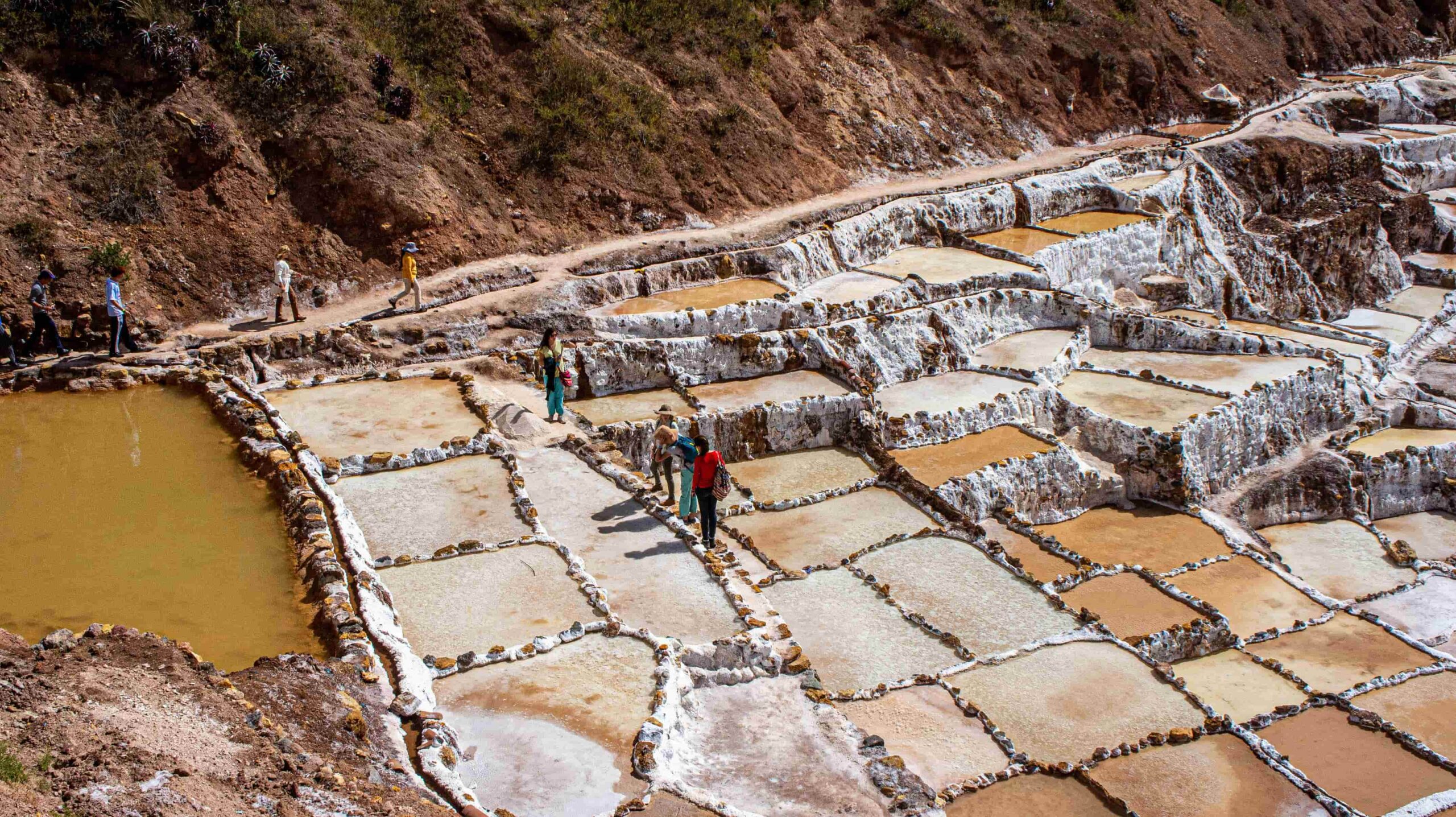
Majestic Peru
Machu Picchu, Huacachina Oasis, Cusco and the waters of Lake Titicaca.
Discover Route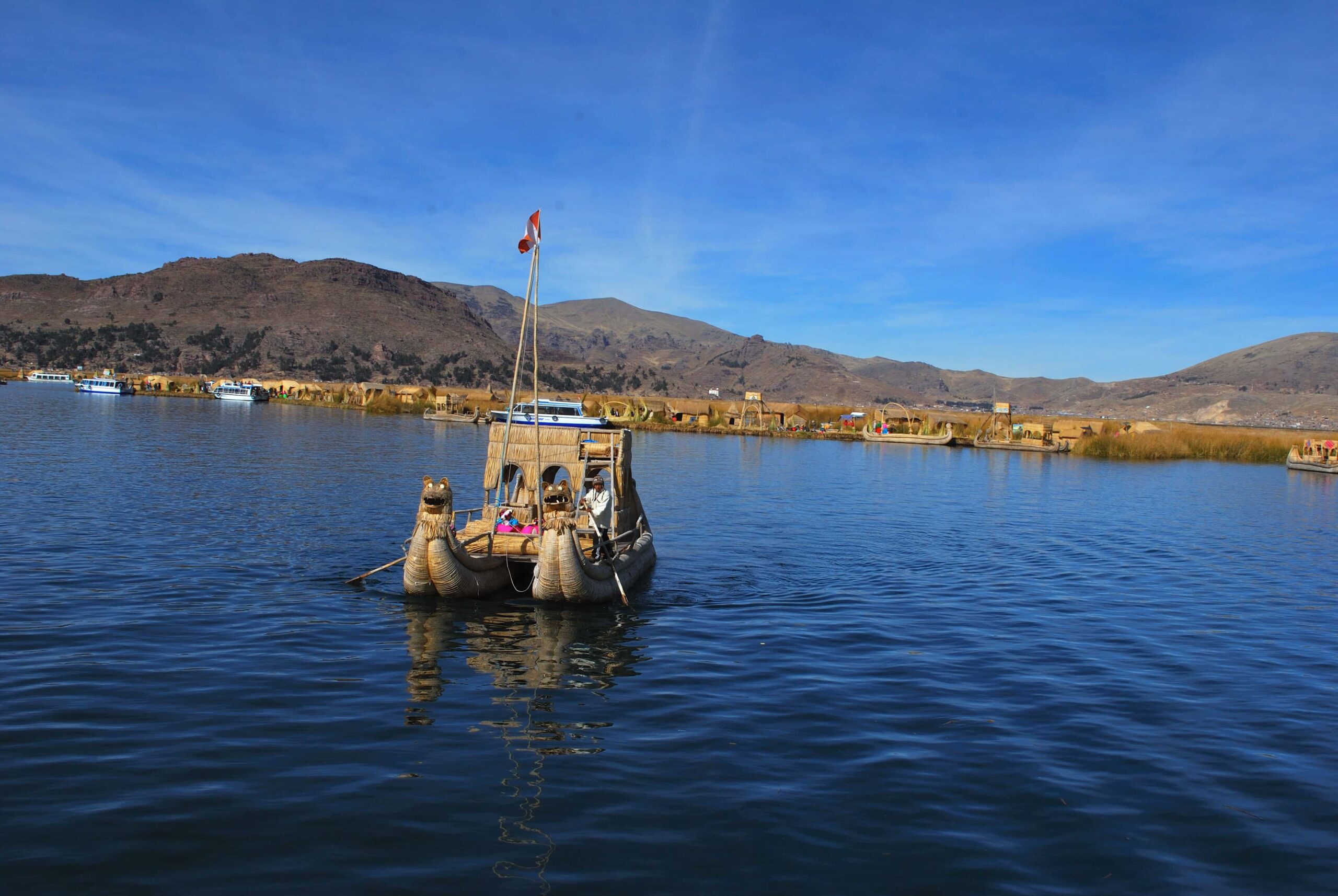
Peruvian Journey
A deep dive through Machu Picchu, Cusco and Lake Titicaca.
Discover Route