
La Paz, Bolivia
The city that touches the clouds — a dizzying blend of indigenous culture, dramatic Andean peaks, and a sprawling network of cable cars.
The City in the Sky.
La Paz is one of the most mesmerizing and chaotic cities in South America. Perched at an average altitude of 3,650 meters, it is the highest administrative capital in the world. Nestled in a deep canyon beneath the towering, snow-capped peak of Mount Illimani, the city offers a dramatic landscape where brick houses seemingly cling to impossible cliffs.
The true magic of La Paz lies in its vibrant contrasts. Here, modern cable cars soar above bustling indigenous markets where traditional Aymara women, known as cholitas, sell everything from exotic fruits to ancient ritual offerings. The air is thin, the streets are steep, and the culture is incredibly rich and resilient.
Beyond the urban hustle, La Paz serves as a launchpad for incredible adventures across the Andes and into the Amazon basin, from biking down the infamous Death Road to trekking the high-altitude Cordillera Real. It is a city that literally takes your breath away.
A legacy of mountains and revolutions
Founded in 1548 by Spanish conquistadors, La Paz was originally established in the valley of Chuquiago Marka as a commercial resting point connecting the rich silver mines of Potosí with Lima. Its location deep within a canyon was specifically chosen to protect its early inhabitants from the harsh, freezing winds of the Altiplano.
Throughout its history, La Paz has been the undisputed epicenter of Bolivian political life, witnessing countless indigenous uprisings, revolutions, and political shifts. Although Sucre remains the constitutional capital of Bolivia, La Paz became the de facto seat of government following the Federal Revolution of 1899.
Today, the city reflects a powerful syncretism, beautifully blending its colonial architectural past with deep-rooted Aymara and Quechua traditions to form an identity completely unique in the Andes.
Carved into an Andean canyon
Located in western Bolivia, La Paz sits in a massive bowl-like depression surrounded by the high mountains of the Altiplano. As travelers descend from the neighboring city of El Alto, the entire basin reveals itself in a spectacular panorama, framed by the triple-peaked Mount Illimani. The city's extreme topography dictates its layout, creating steep, winding streets and distinct microclimates depending on the neighborhood's elevation.
What awaits above the clouds
Flying cable cars, mystical markets, lunar landscapes, and colonial streets — La Paz at its essential.
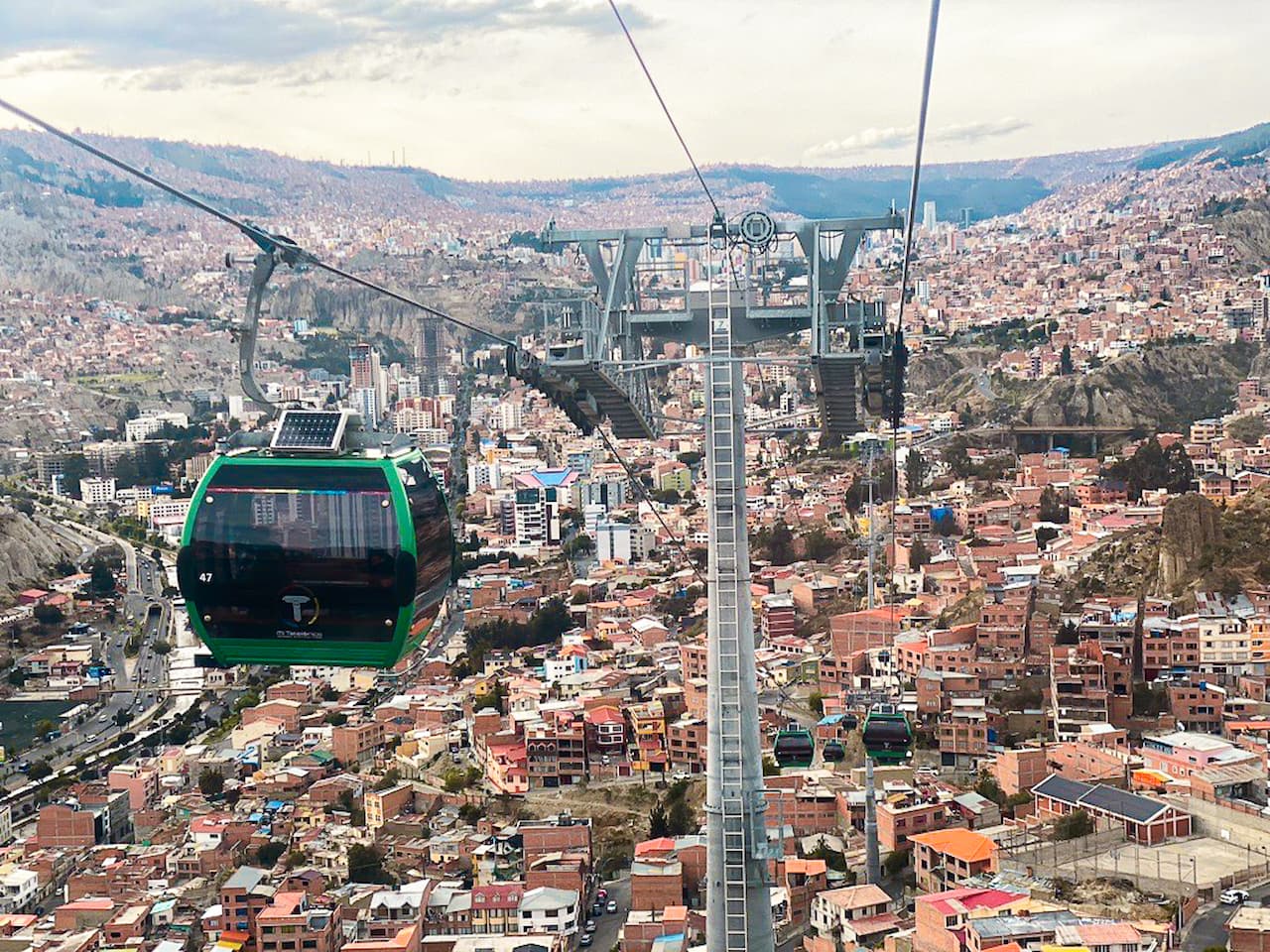
Mi Teleférico
The world’s highest and most extensive urban cable car network, Mi Teleférico is not just a public transit system—it is the absolute best way to see the city. Connecting La Paz to the sprawling high-altitude city of El Alto, the gondolas glide silently over the chaotic streets below.
Riding the red, yellow, or green lines at sunset offers unparalleled panoramic views of the city's topography and the glowing snowcaps of the Andes.
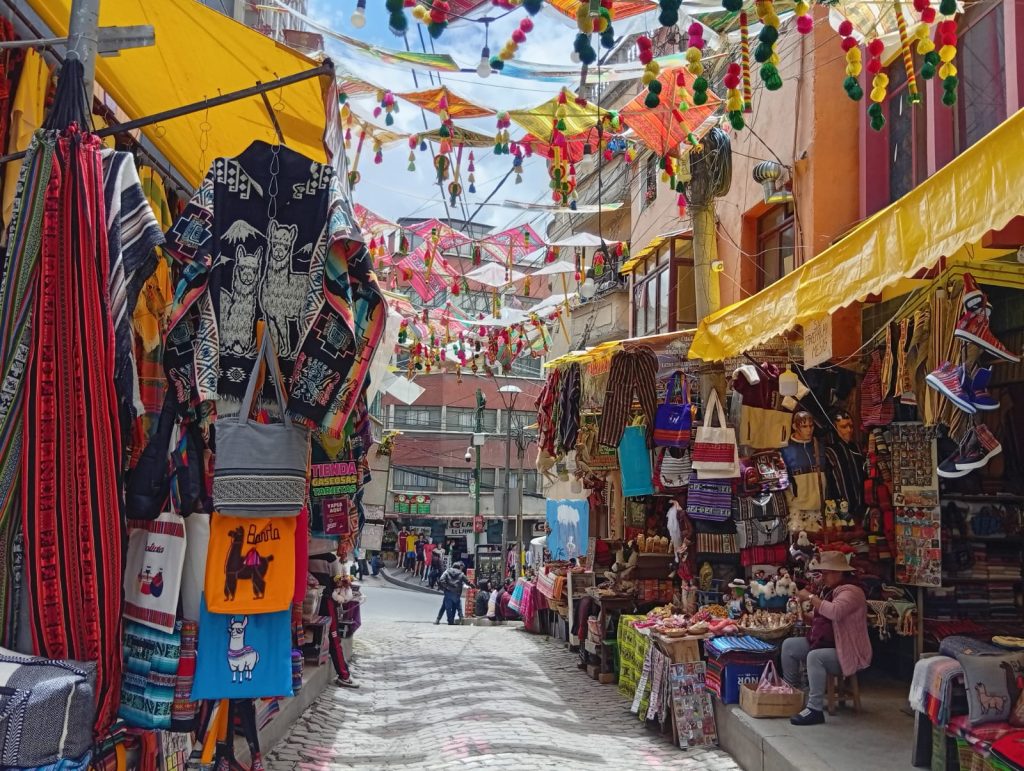
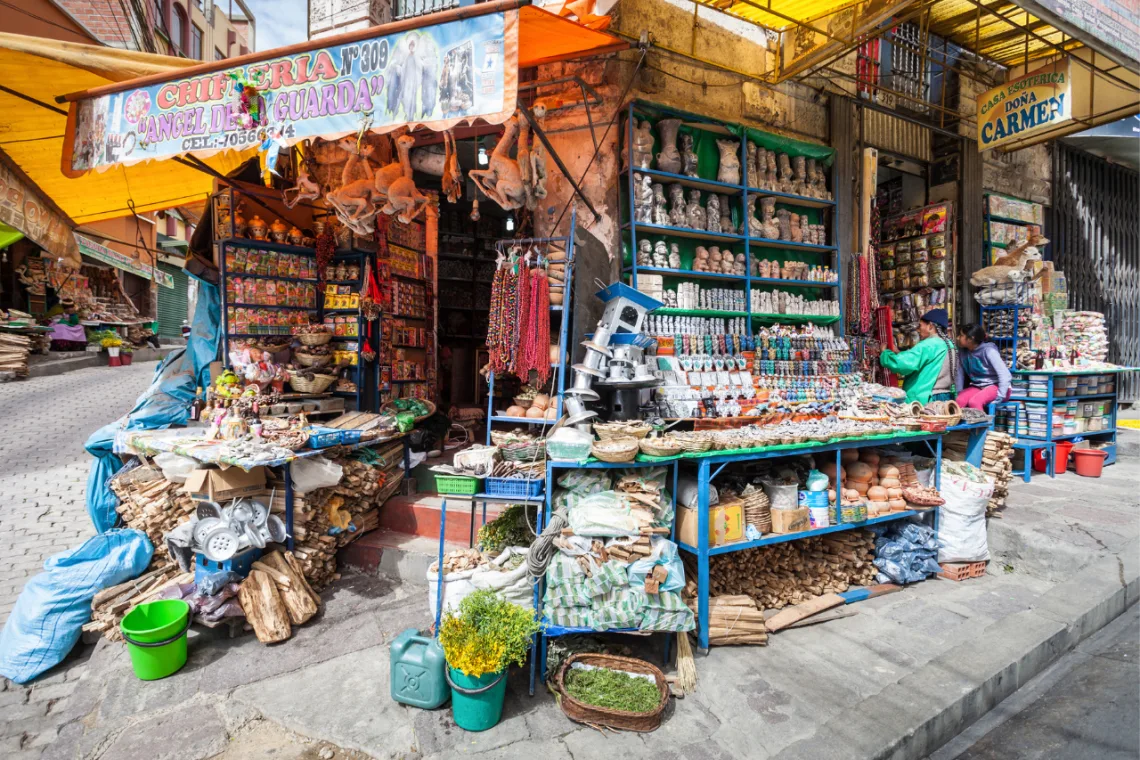
The Witches' Market
Known locally as the Mercado de las Brujas, this fascinating market is located right in the center of the city. Here, indigenous vendors sell everything from medicinal plants and good luck charms to dried llama fetuses used as offerings to Pachamama (Mother Earth).
It is a living testament to Andean cosmology, where travelers can purchase traditional textiles, seek out fortunes, or simply absorb the vibrant atmosphere.
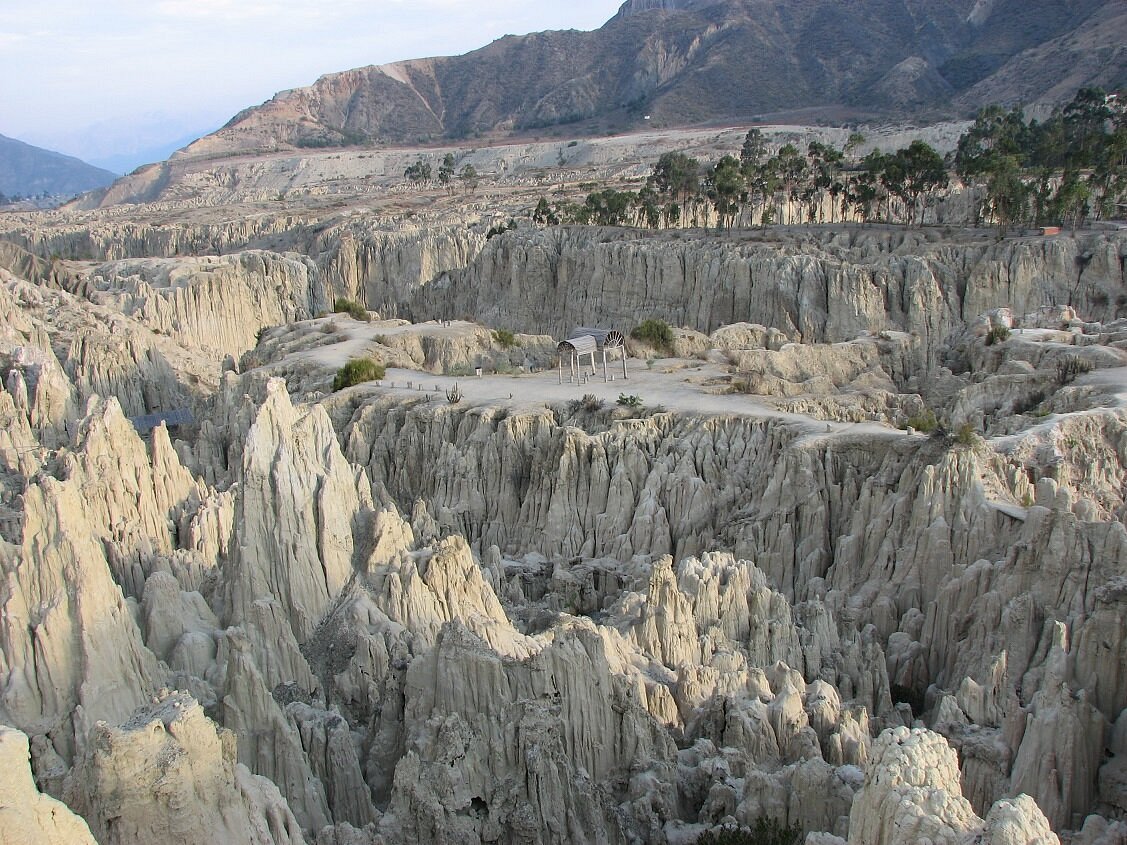
Valle de la Luna
Located just 10 kilometers from downtown La Paz, the Valley of the Moon is a surreal geological formation of tall clay and sandstone spires that have been heavily eroded by wind and rain over centuries.
Walking through the maze of towering badlands feels like stepping onto another planet. It offers a surprisingly quiet escape from the noisy, fast-paced city center.
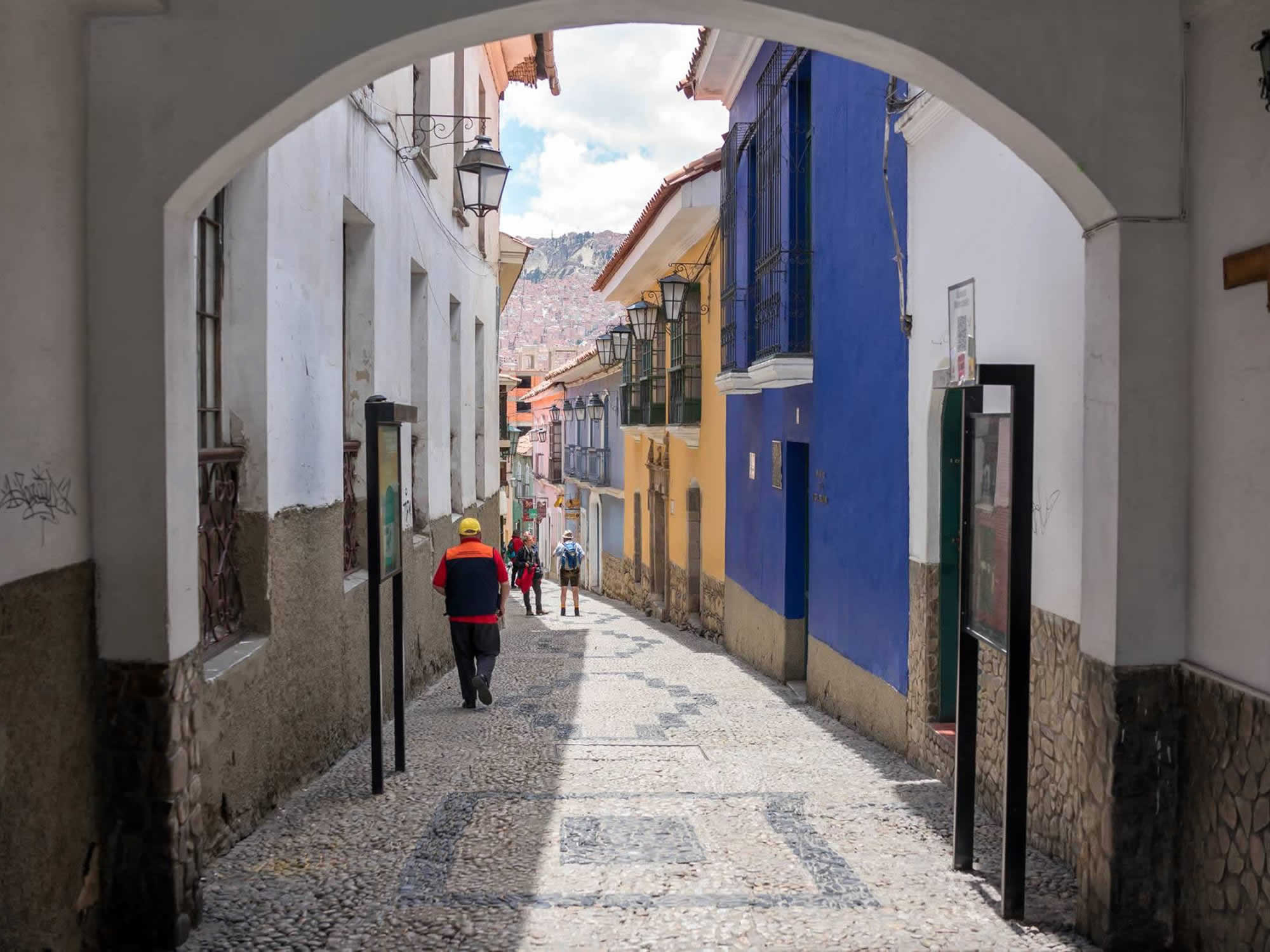
Calle Jaén
Tucked away from the modern thoroughfares, Calle Jaén is the best-preserved colonial street in La Paz. This narrow, cobblestone alleyway is lined with brightly painted historic buildings and traditional balconies.
The street is home to four fascinating small museums showcasing everything from pre-Columbian precious metals to artifacts from Bolivia's independence wars, wrapped in local legends of ghosts and spirits.
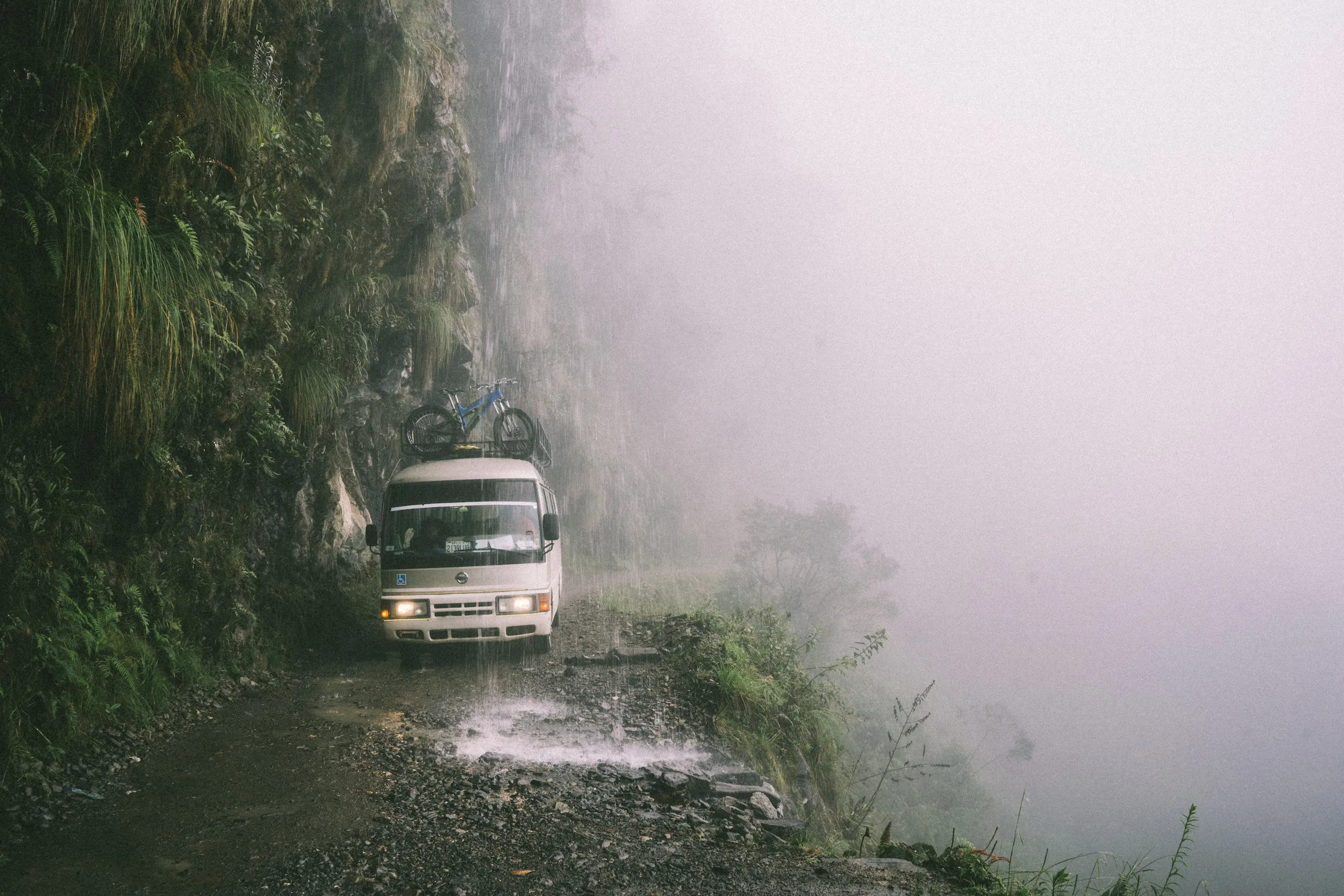
The Death Road
The North Yungas Road, infamous for being the world’s most dangerous road, is now one of South America's most popular mountain biking destinations. The thrilling route begins in the freezing high-altitude mountains outside La Paz and plunges down into the humid, lush Amazon basin.
Biking this narrow dirt track alongside sheer cliff drops is an adrenaline-pumping experience that showcases the extreme biodiversity of the Bolivian landscape.
Further essentials
Political plazas, massive high-altitude markets, bohemian neighborhoods, and ancient ruins.
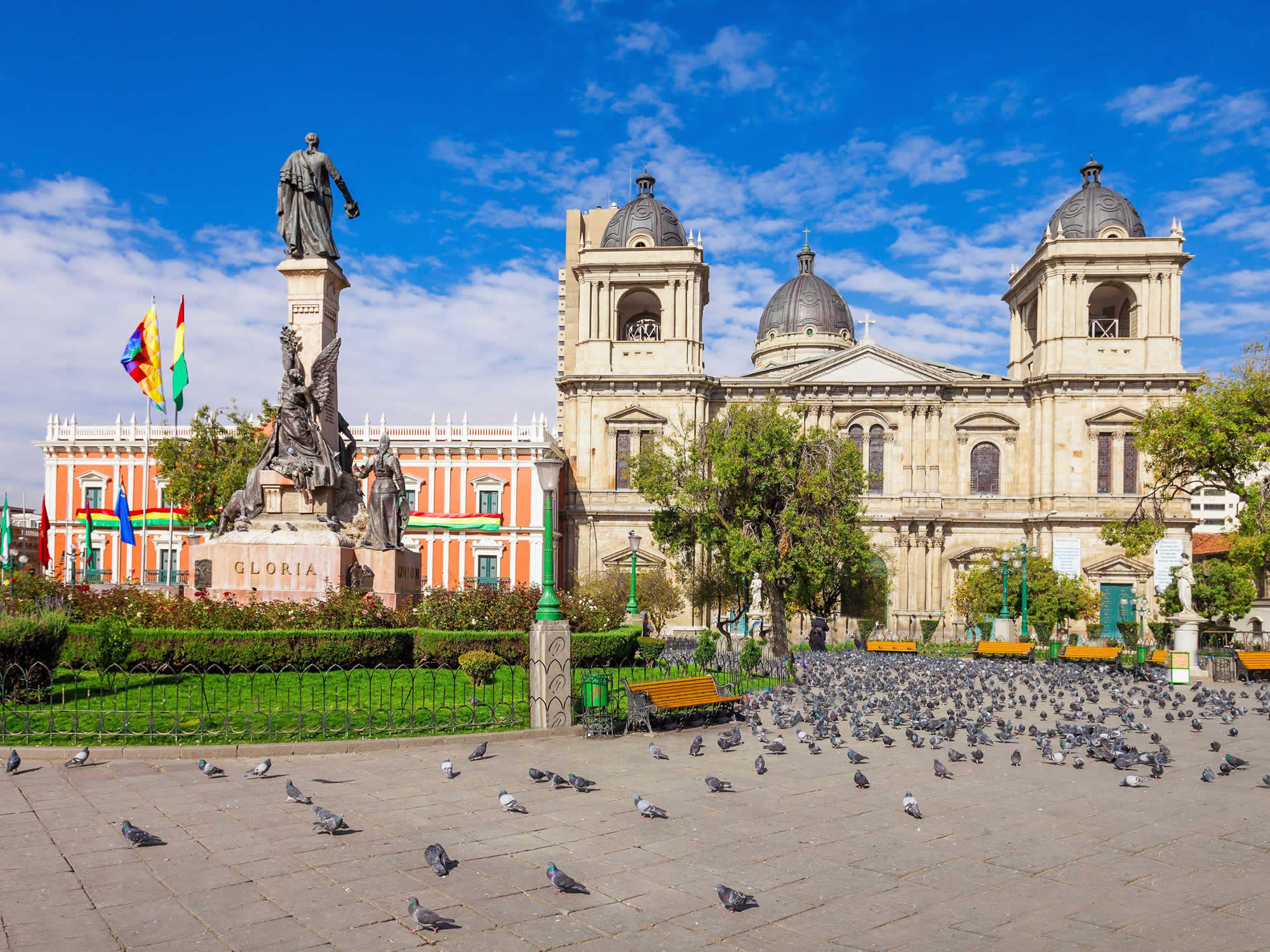
Plaza Murillo
The political heart of Bolivia, this central square is surrounded by the Presidential Palace, the National Congress, and the La Paz Cathedral. It is a vital spot to understand the country's complex history.
Mercado 16 de Julio
Located in neighboring El Alto, this is the largest open-air market in South America. Operating on Thursdays and Sundays, you can find absolutely everything here, from car parts to traditional textiles.
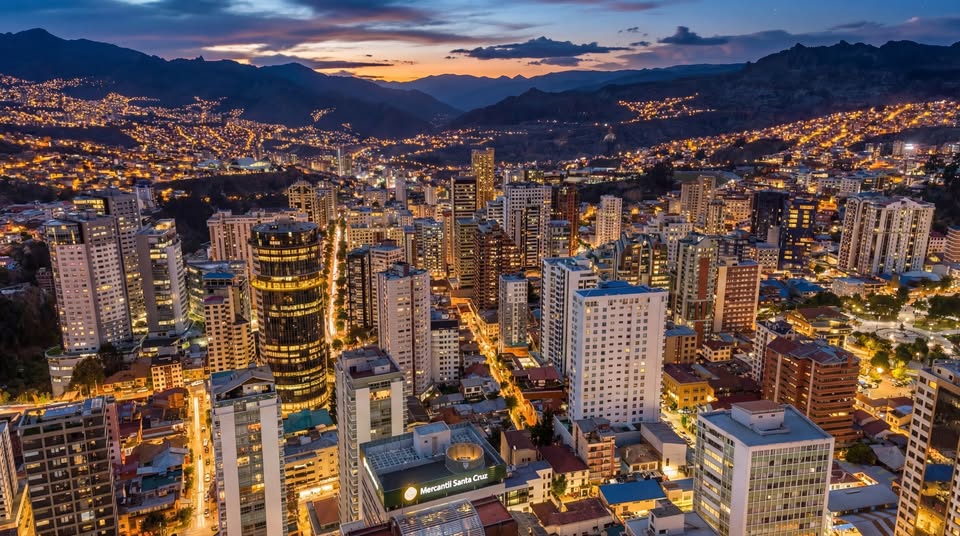
Sopocachi Neighborhood
The bohemian and artistic center of the city. Packed with leafy plazas, trendy cafes, top-tier restaurants, and vibrant nightlife, it offers a cosmopolitan contrast to the historical center.
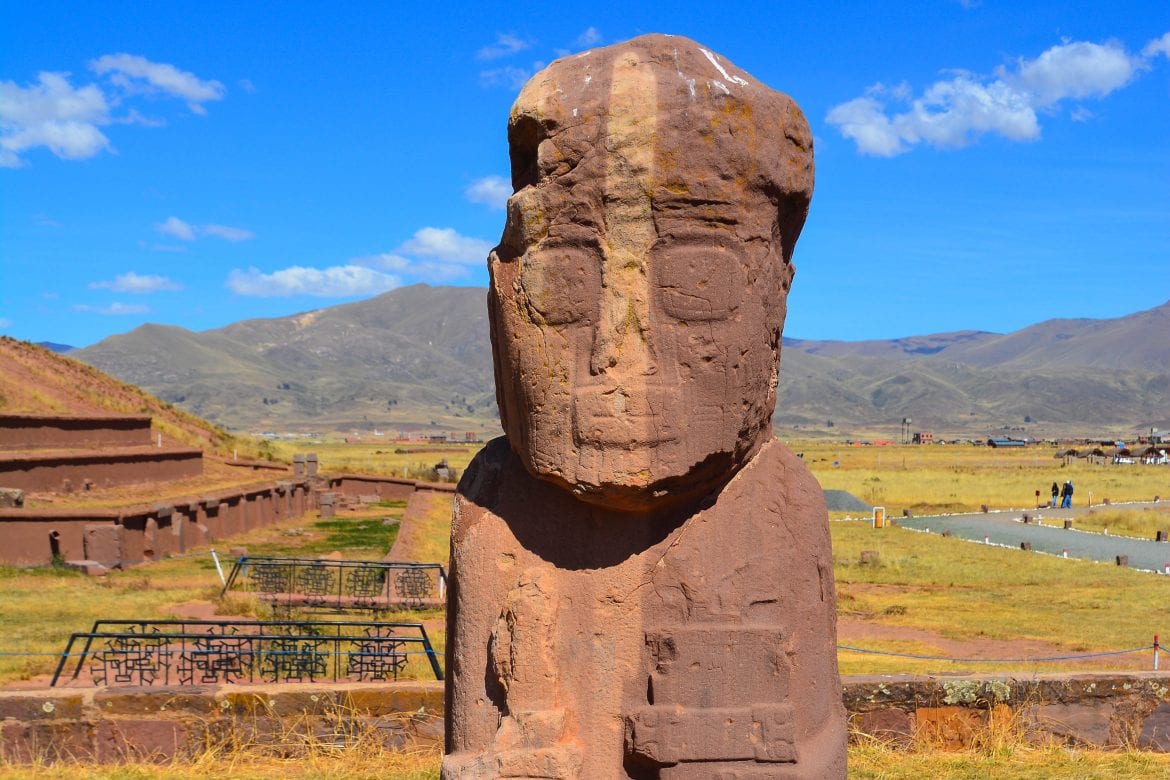
Tiwanaku Ruins
Just a couple of hours from La Paz lies Tiwanaku, a UNESCO World Heritage site and the capital of a powerful pre-Inca civilization, famous for its monumental stone archways and mysterious monoliths.
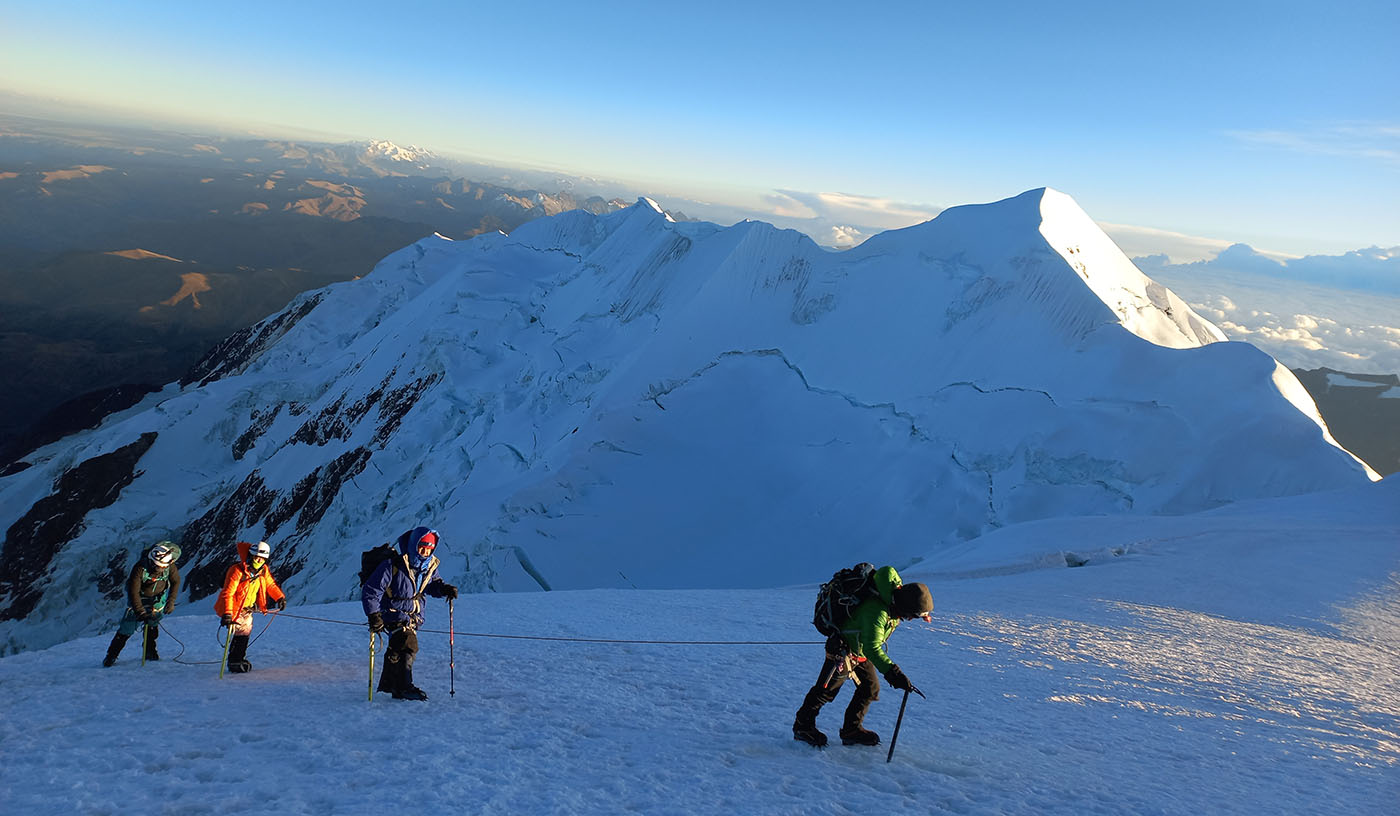
Mount Illimani
The iconic, snow-capped guardian of La Paz. While seeing it from the city is breathtaking enough, experienced mountaineers often tackle the challenging multi-day ascent to its 6,438-meter peak.
Is La Paz worth visiting?
La Paz is not just a stopover; it is a destination that demands to be fully experienced. It challenges visitors with its dizzying altitude, chaotic streets, and sheer verticality, but generously rewards them with an unparalleled cultural immersion and breathtaking Andean panoramas.
From floating silently above the city in a cable car to exploring indigenous markets and descending into the jungle via bicycle, La Paz offers a raw, authentic, and completely unforgettable Bolivian adventure.

Andean Peru
Machu Picchu, Nazca Lines, Colca Canyon, Cusco and the Sacred Valley.
Discover Route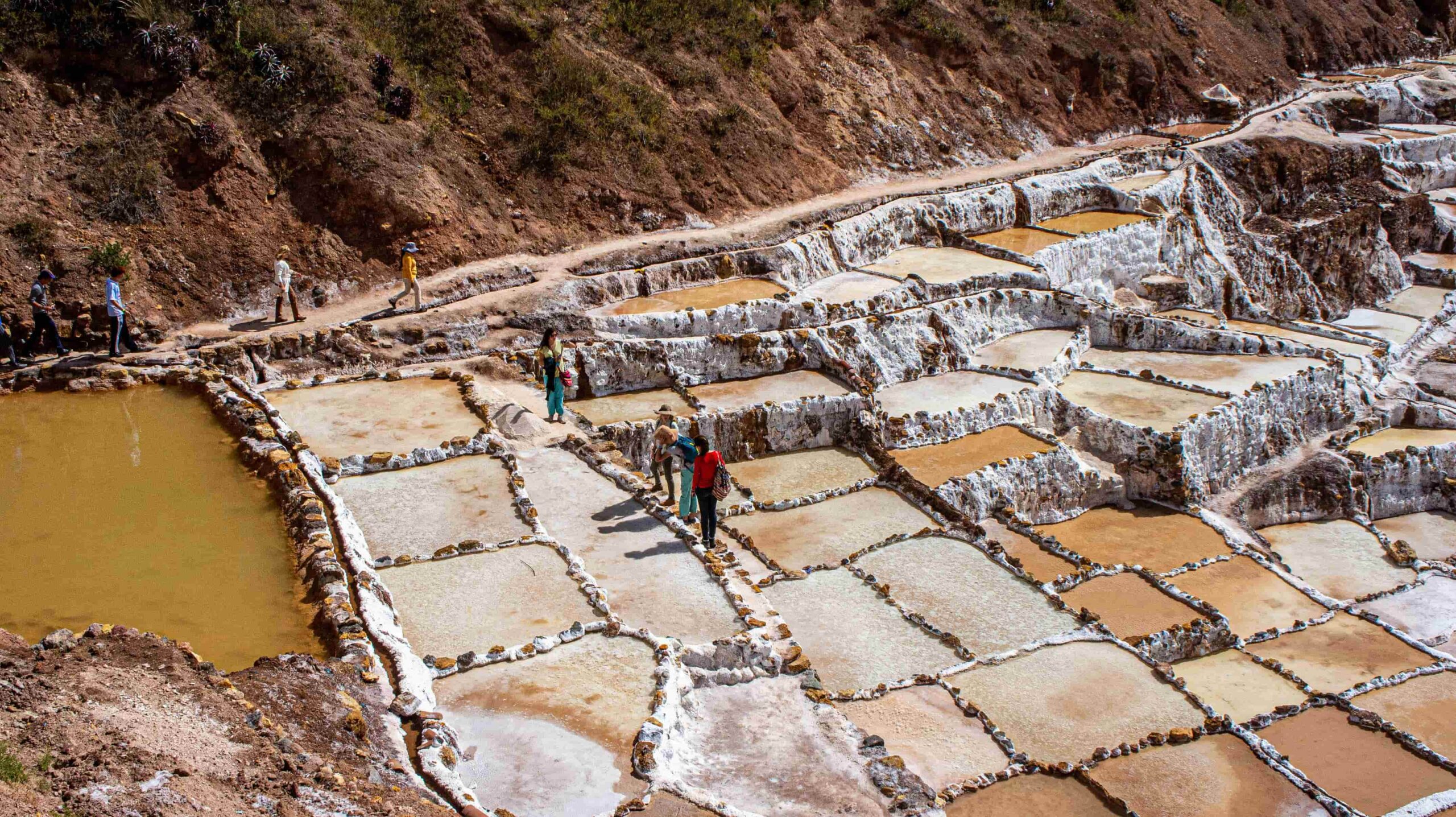
Majestic Peru
Machu Picchu, Huacachina Oasis, Cusco and the waters of Lake Titicaca.
Discover Route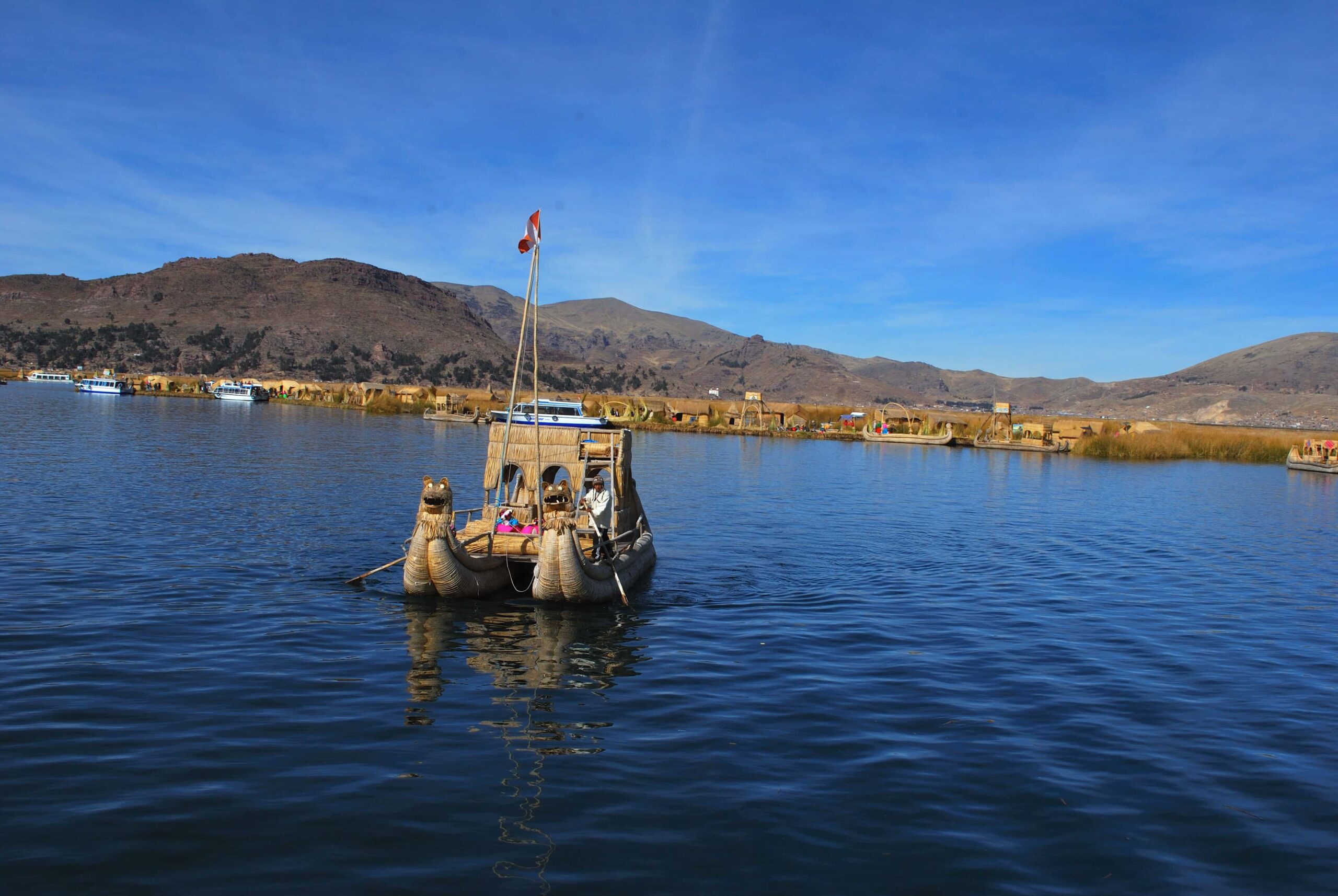
Peruvian Journey
A deep dive through Machu Picchu, Cusco and Lake Titicaca.
Discover Route