
Lima, Peru
The gateway to Peru — where history, gastronomy and modern life meet the Pacific Ocean.
The gateway to Peru.
Lima, the capital of Peru, is a vibrant city where history, gastronomy and modernity meet along the Pacific Ocean. Considered the main gateway for travelers heading to Machu Picchu, Cusco and other iconic destinations, Lima offers a unique experience that combines millenary archaeological sites, colonial architecture, world-class museums and one of the finest culinary scenes on the planet.
With more than 11 million inhabitants, Lima is the largest city in Peru and one of the most important cultural and economic centers of South America. From the elegant districts of Miraflores and Barranco to the Historic Center — declared a UNESCO World Heritage Site — every corner of the city reveals a fascinating chapter of Peruvian history.
For many travelers, Lima is far more than a stopover before Machu Picchu: it is an essential destination in its own right.
From Pachacámac to the viceroyalty
Before the arrival of the Spanish, the territory of modern-day Lima was occupied by important pre-Hispanic cultures that built major ceremonial and urban centers — many of which can still be visited today. Among them are Pachacámac, Maranga and a series of huacas that formed part of complex societies developed along Peru's central coast.
In 1535, the Spanish conquistador Francisco Pizarro officially founded the city under the name Ciudad de los Reyes. Thanks to its strategic location near the Pacific Ocean and its connection to the Andes, Lima quickly became the capital of the Viceroyalty of Peru, one of the most important territories of the Spanish Empire in the Americas.
During the 16th, 17th and 18th centuries, Lima was considered one of the wealthiest and most influential cities on the continent. Its colonial legacy remains visible in the churches, convents, historic balconies and monumental plazas that today make up its Historic Center.
On the edge of the Pacific
Lima lies on the central coast of Peru, on the shores of the Pacific Ocean. The city is surrounded by coastal desert and crossed by the Rímac River, creating a landscape where sea, cliffs and urban life coexist. It is the main arrival point for international travelers, thanks to the Jorge Chávez International Airport — one of the most important in South America.
Practically sea level
One of the advantages of visiting Lima is that the city sits practically at sea level, meaning there is no risk of altitude sickness. This makes Lima the ideal starting point before traveling on to higher-altitude destinations such as Cusco or the Sacred Valley.
A temperate climate year-round
Lima has a temperate climate throughout the year, shaped by the cold Humboldt Current and the proximity of the Pacific Ocean. Thanks to this moderate weather, Lima can be visited in any season.
Temperatures range between 24°C and 30°C (75°F to 86°F). Sunny days and warm coastal breezes make this the best time to enjoy Lima's beaches and outdoor life.
Temperatures range between 14°C and 20°C (57°F to 68°F). This is the season of the famous garúa limeña — a fine mist that covers much of the city and creates a very distinctive atmosphere.
What awaits in the capital
From UNESCO-listed colonial streets to pre-Hispanic pyramids in the middle of the city — Lima's essentials.
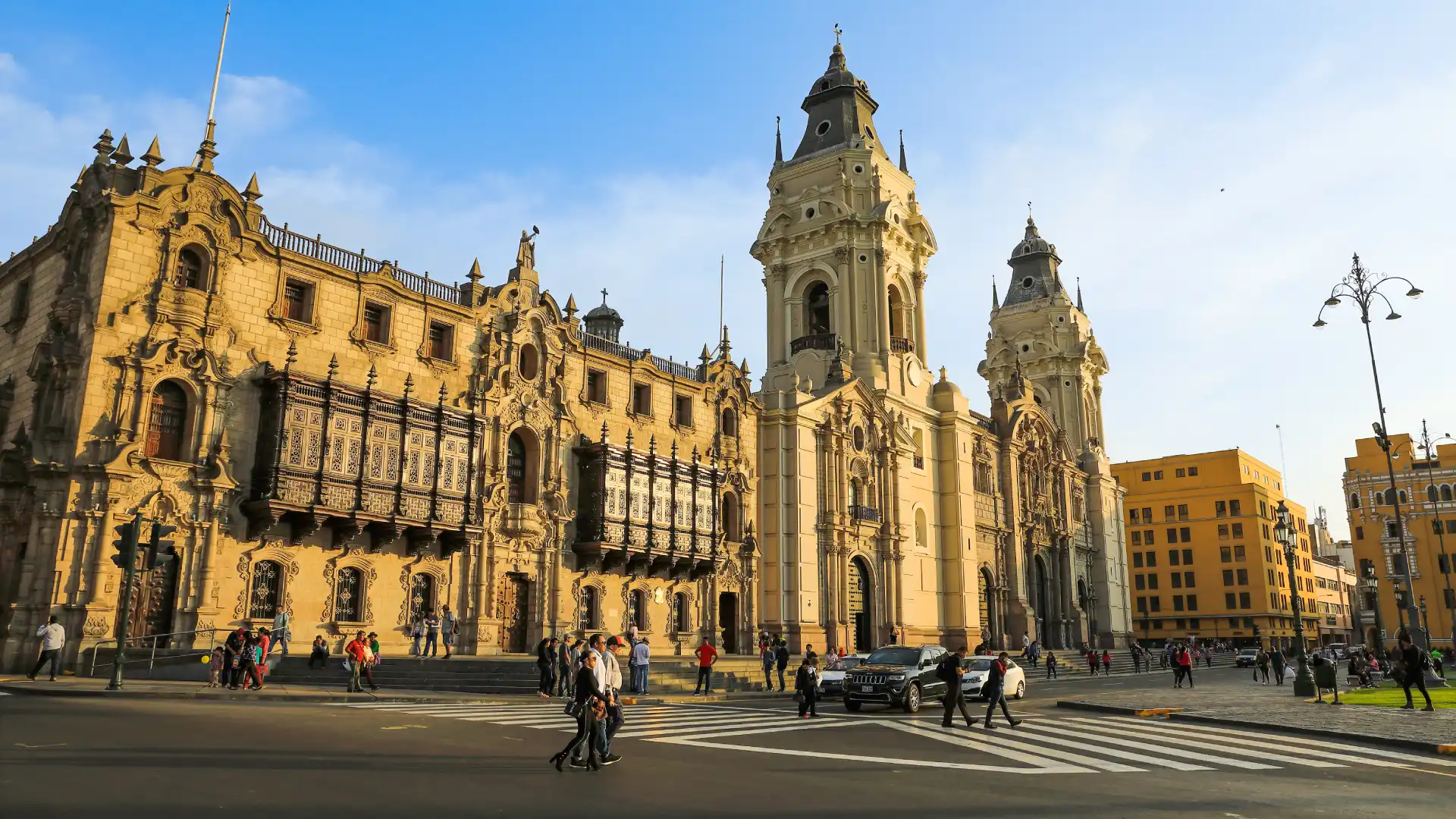
Historic Center of Lima
The Historic Center of Lima is one of the best-preserved in Latin America and was declared a UNESCO World Heritage Site. Its streets are lined with important colonial buildings, centuries-old churches and elegant wooden balconies that reflect the splendor of the Viceroyalty.
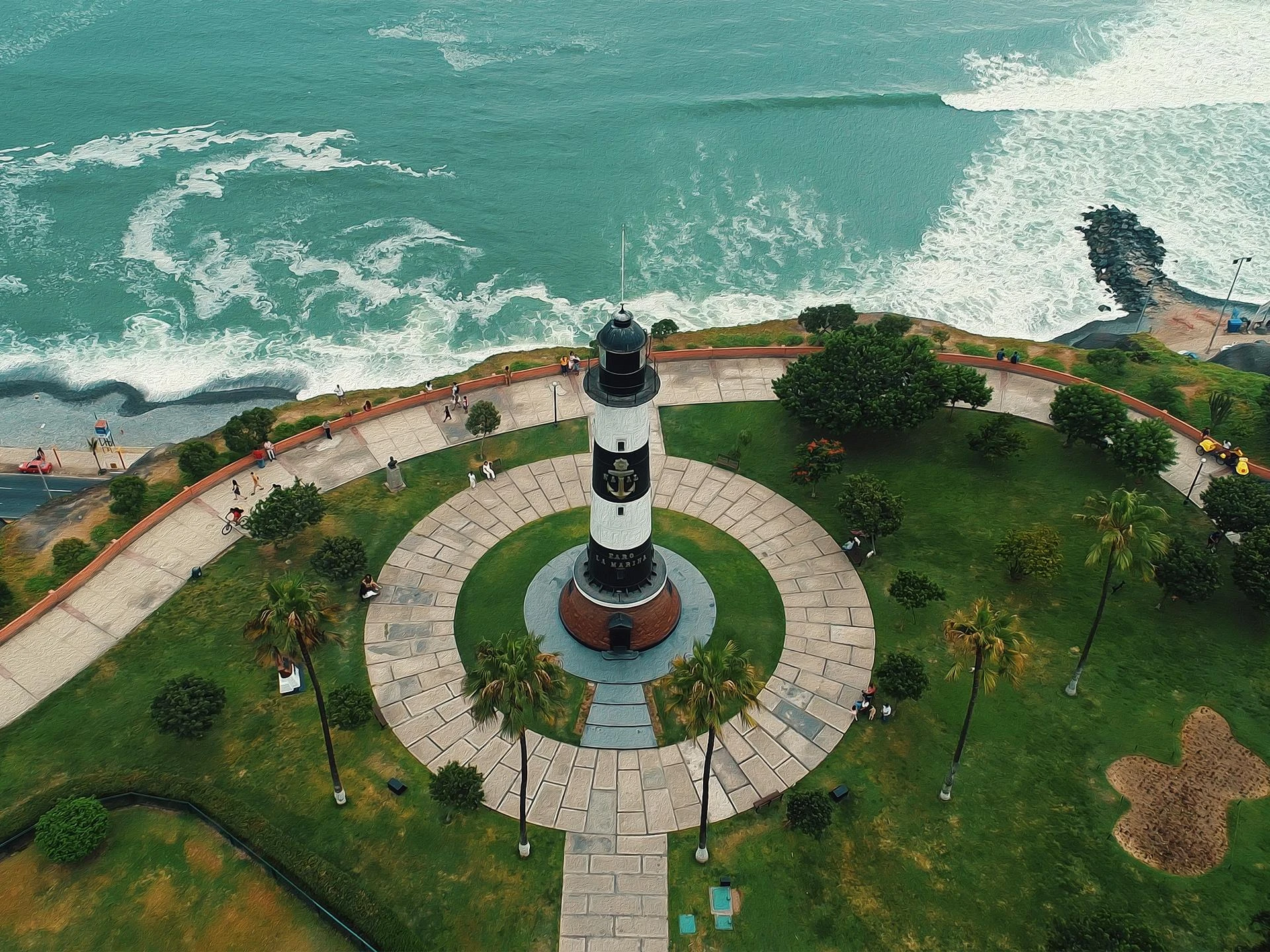
Miraflores
Miraflores is the most famous tourist district in Lima. Here you'll find modern hotels, restaurants, shopping centers, parks and spectacular views over the Pacific Ocean.
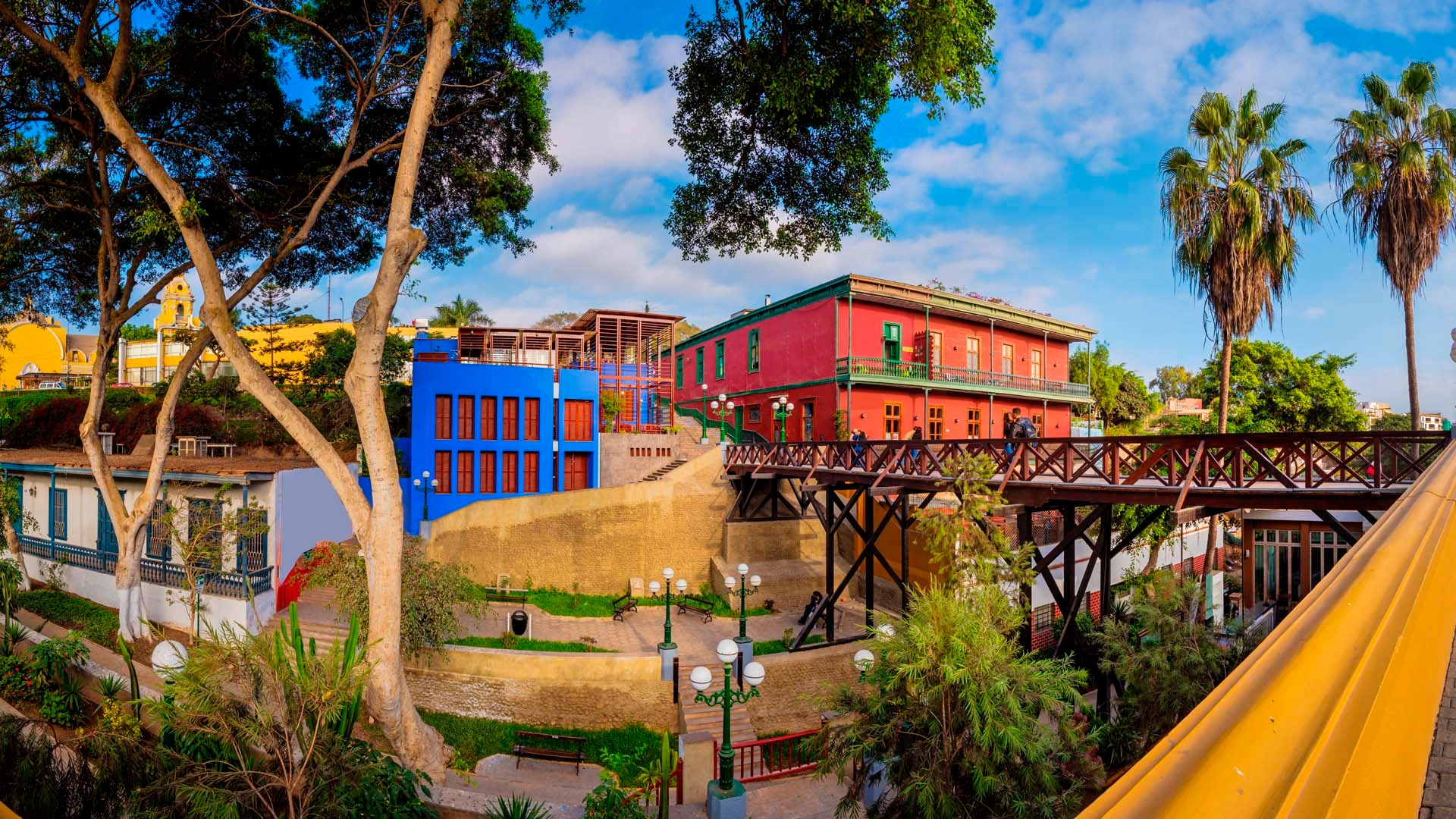
Barranco
Barranco is the most bohemian and artistic district of Lima. Its colorful streets, art galleries, cafés, murals and nightlife make it one of the most beloved neighborhoods among travelers.

Pachacámac
Located south of Lima, Pachacámac is one of the most important archaeological complexes in Peru. It served as a major ceremonial center used by various pre-Hispanic cultures for over a thousand years before the arrival of the Spanish.
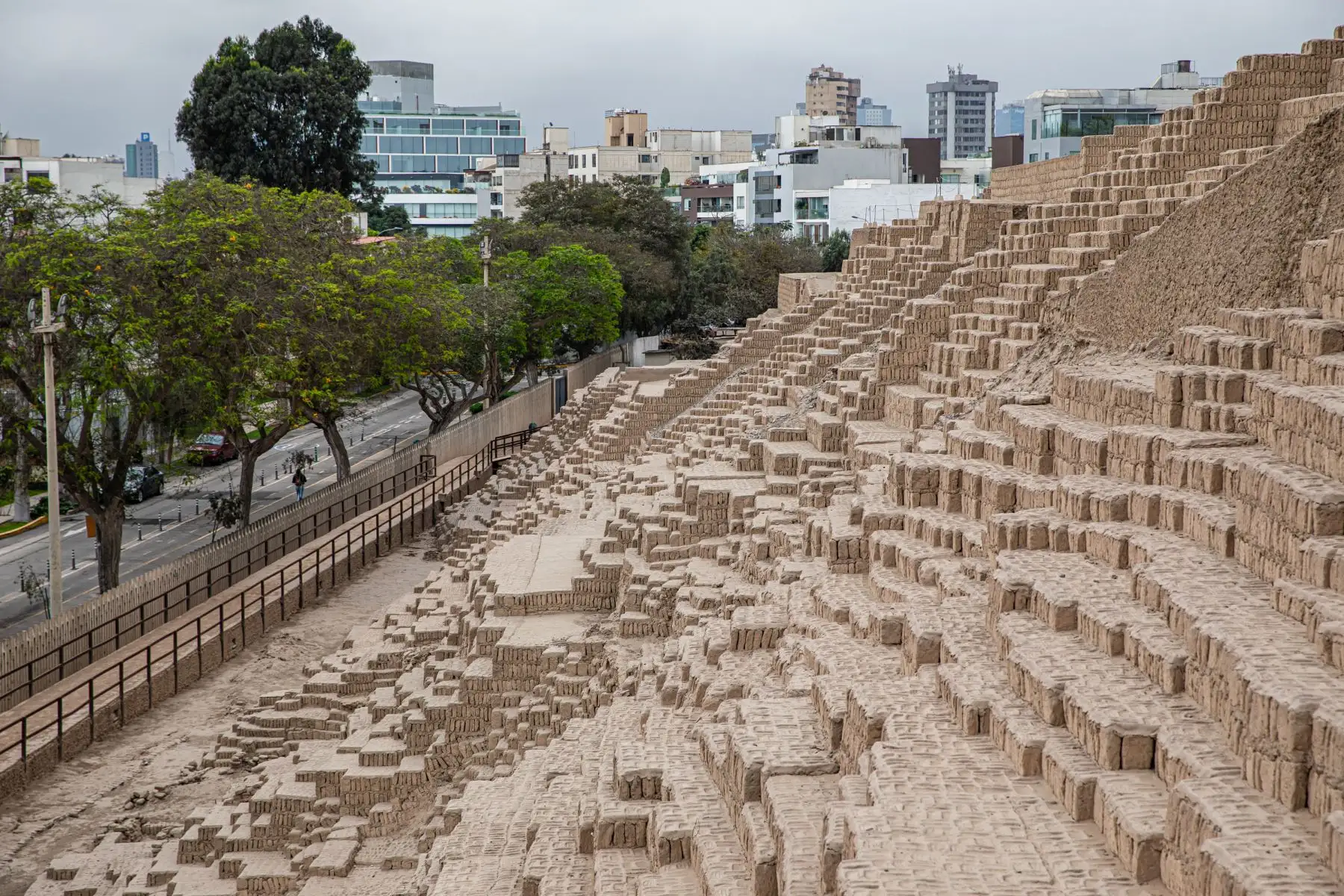
Huaca Pucllana
In the middle of the Miraflores district stands Huaca Pucllana, an impressive adobe pyramid built by the Lima culture more than 1,500 years ago. It is one of the most important urban archaeological sites in South America.
Further essentials
Colonial landmarks and world-class museums that complete any visit to Lima.
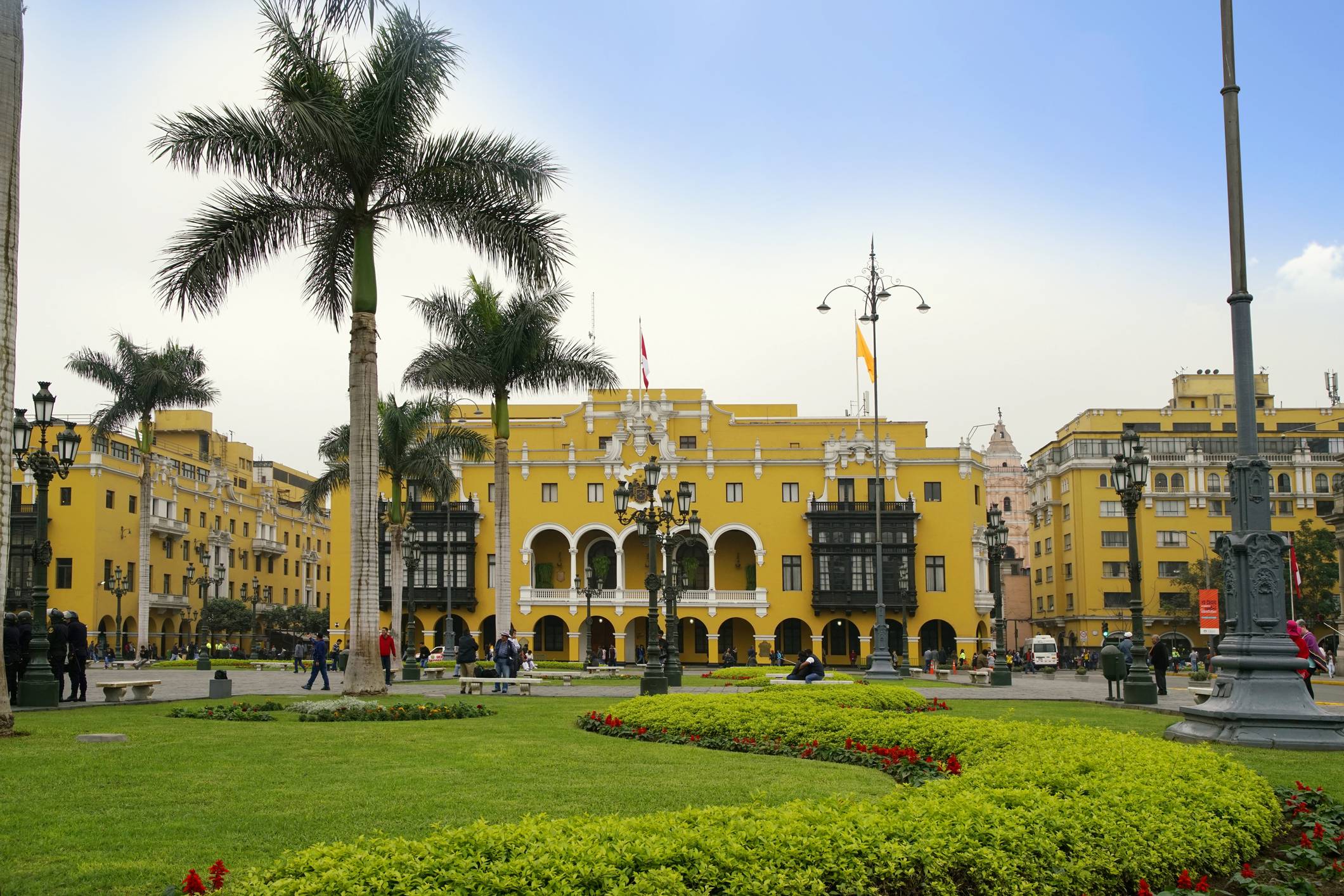
Plaza Mayor of Lima
The Plaza Mayor is the historic heart of the city and the very spot where Francisco Pizarro founded Lima in 1535. It is surrounded by some of the most emblematic buildings in the country.

Cathedral of Lima
Facing the Plaza Mayor, the Cathedral of Lima is one of the most important religious monuments in Peru. Its architecture blends Renaissance, Baroque and Neoclassical elements — and it houses the tomb of Francisco Pizarro.
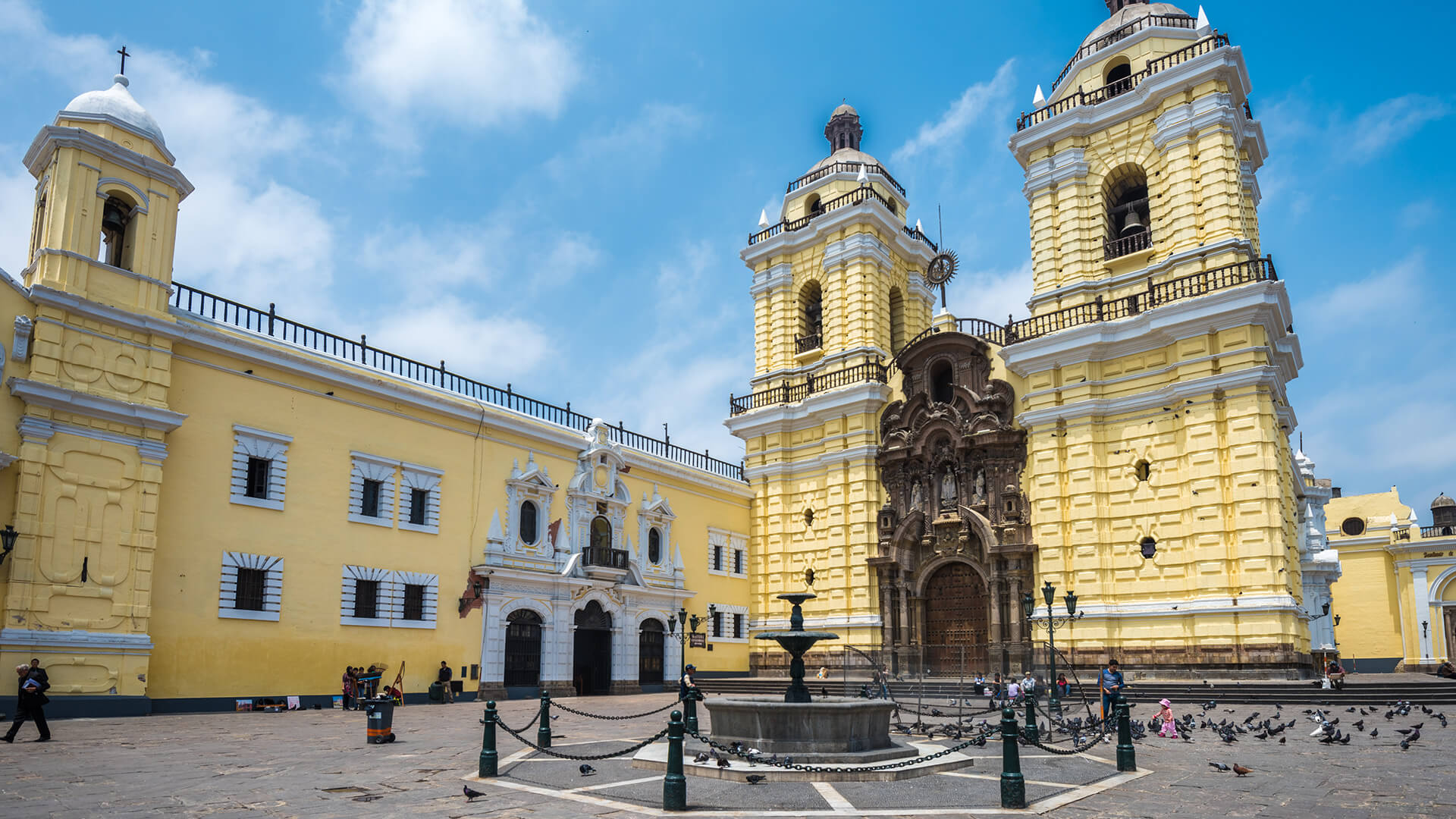
Convent of San Francisco
Famous for its impressive catacombs, historic library and colonial architecture, the Convent of San Francisco is one of the most popular visits in the Historic Center.
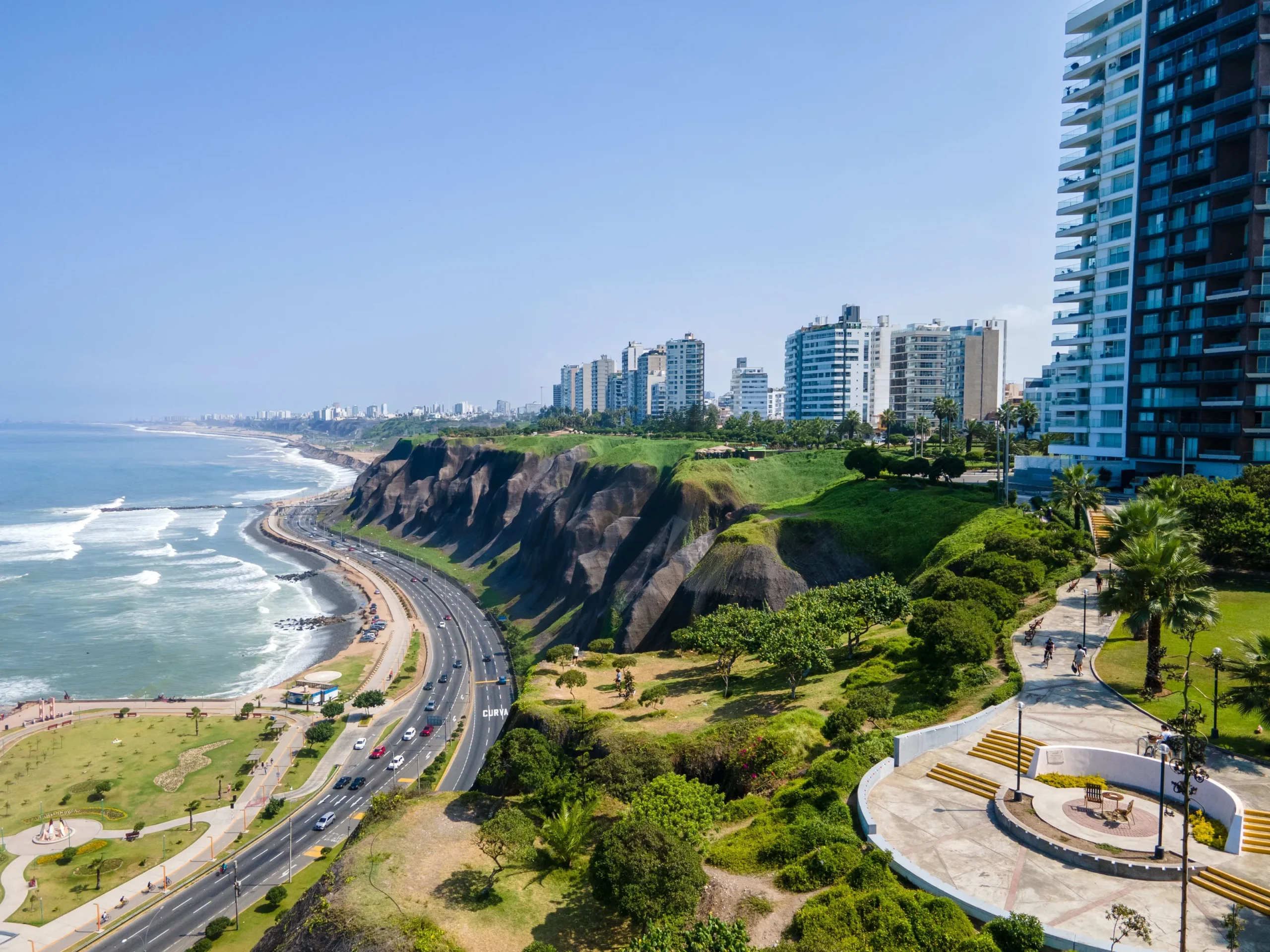
Costa Verde
The Costa Verde is one of Lima's most iconic locations. This extended oceanfront boardwalk is ideal for walking, running, cycling or simply enjoying the view of the cliffs and Pacific beaches below.
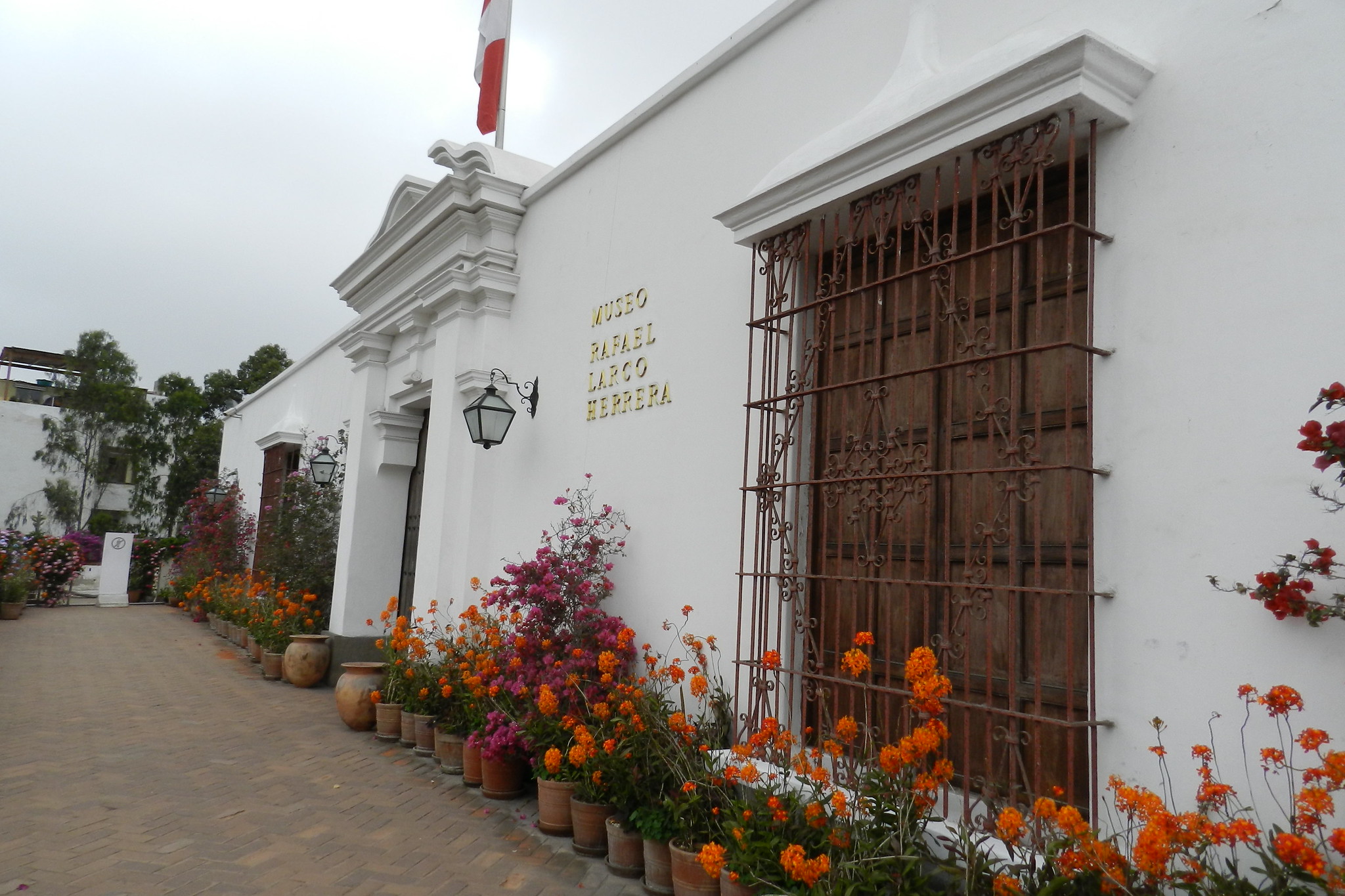
Museo Larco
Considered one of the finest museums in Peru, the Museo Larco holds an extraordinary collection of pre-Columbian pieces, including ceramics, textiles, jewelry and erotic art from the Moche culture.
Lima · gastronomic capital of Latin America
Lima is internationally recognized as one of the finest culinary cities in the world. This is the birthplace of iconic dishes such as Peruvian ceviche, lomo saltado, ají de gallina and causa limeña. The city is also home to some of the most prestigious restaurants on the planet — including Central, ranked among the world's best.
Lima's cultural diversity also gave rise to unique cuisines such as Nikkei (Peruvian-Japanese) and Chifa (Peruvian-Chinese), considered essential experiences for any traveler.
Is Lima worth visiting?
Absolutely. Lima offers a combination hard to find in other destinations: millenary history, colonial heritage, world-renowned gastronomy, modern urban districts and spectacular views over the Pacific Ocean.
Whether you are traveling to Peru for the first time or on your way to Cusco and Machu Picchu, dedicating a few days to discovering Lima will greatly enrich your journey — and let you experience one of the most fascinating cities in Latin America.

Andean Peru
Machu Picchu, Nazca Lines, Colca Canyon, Cusco and the Sacred Valley.
Discover Route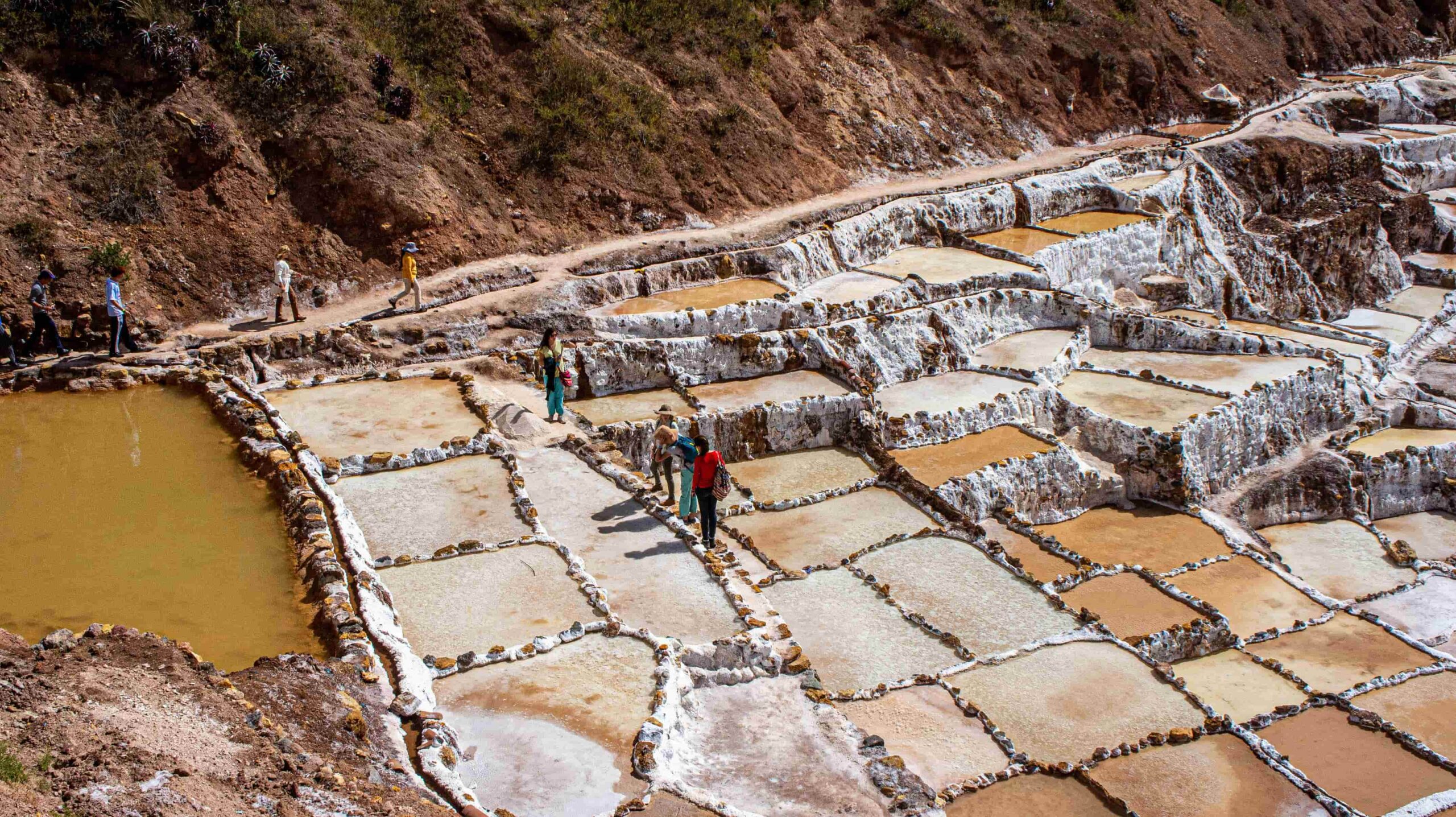
Majestic Peru
Machu Picchu, Huacachina Oasis, Cusco and the waters of Lake Titicaca.
Discover Route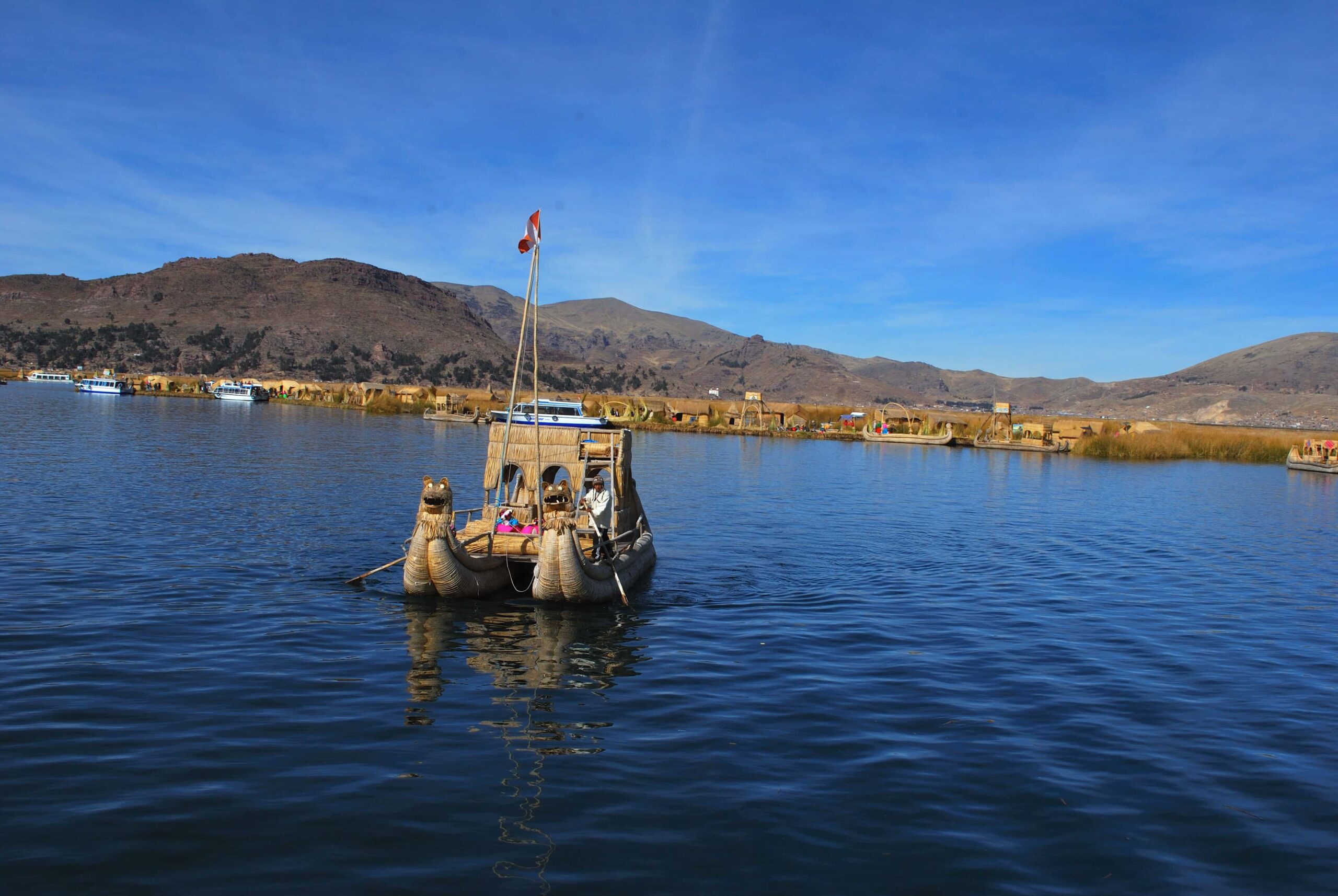
Peruvian Journey
A deep dive through Machu Picchu, Cusco and Lake Titicaca.
Discover Route