
Machu Picchu, Peru
A complete guide to the most iconic Inca wonder in the world — its history, its sacred architecture, and everything you should know before you go.
A wonder rediscovered, a legacy preserved.
Machu Picchu is Peru's most iconic destination and one of the New Seven Wonders of the Modern World. Nestled among the Peruvian Andes, this breathtaking Inca citadel weaves together history, architecture, nature and spectacular landscapes that captivate millions of travelers every year.
Declared a UNESCO World Heritage Site, Machu Picchu is considered one of the greatest masterpieces of Inca civilization. Its stone temples, agricultural terraces, ancestral pathways and panoramic vistas make it an essential experience for anyone who wishes to discover the cultural richness of Peru.
Whether it is your first journey to South America or you are exploring the country's most treasured destinations, visiting Machu Picchu is a once-in-a-lifetime experience you will never forget.
A city hidden for centuries
Built during the 15th century under the reign of Inca Pachacutec, Machu Picchu was one of the most important centers of the Inca Empire. While specialists still debate certain aspects of its original purpose, most agree that it served as a major ceremonial, religious and administrative estate linked to the Inca elite.
After the arrival of the Spanish, the city remained hidden among the mountains and dense vegetation for centuries. In 1911, American explorer Hiram Bingham introduced the site to the world, opening a new era of research and conservation that would turn Machu Picchu into one of the most famous archaeological destinations on Earth.
Today, this historical sanctuary stands as one of the greatest cultural legacies of the Americas and a powerful symbol of the Inca civilization's grandeur.
Where the Andes meet the Amazon
Machu Picchu lies in the Cusco region of southern Peru, approximately 80 kilometers from the city of Cusco. The sanctuary sits atop a mountain surrounded by lush vegetation, precisely where the Andes descend into the Amazon rainforest — offering commanding views of the Urubamba River valley below.
Elevation of the sanctuary
The Machu Picchu citadel sits approximately 2,430 meters above sea level. A welcome fact for many travelers: it is actually lower than the city of Cusco, which significantly reduces the effects of altitude sickness.
Two seasons, two experiences
Machu Picchu enjoys a temperate subtropical climate year-round. Temperatures generally range between 9°C and 28°C (48°F to 82°F) depending on the season. The moment you choose to visit defines the atmosphere of your journey.
Considered the best time to visit thanks to clear skies and excellent conditions for exploring the sanctuary. Ideal for hiking, photography and full trail access.
The landscape turns lush and vividly green. Rainfall is frequent, so waterproof clothing is essential — but fewer crowds offer a more intimate encounter with the citadel.
What awaits within
Every stone tells a story. Discover the sacred architecture and natural wonders that have stood for over five centuries.

The Inca Citadel
The main draw of Machu Picchu is its extraordinary archaeological complex, composed of temples, plazas, agricultural terraces and stone structures that have withstood the passage of time for over five centuries.
The precision of its architecture and the beauty of its natural setting make this one of the most impressive archaeological sites in the world.

Huayna Picchu
Huayna Picchu is the iconic mountain that rises behind Machu Picchu in the destination's most emblematic photographs. The climb to its summit offers some of the most spectacular views of the sanctuary and the Urubamba River valley.
Due to high demand, daily access is strictly limited. Advance booking is essential.
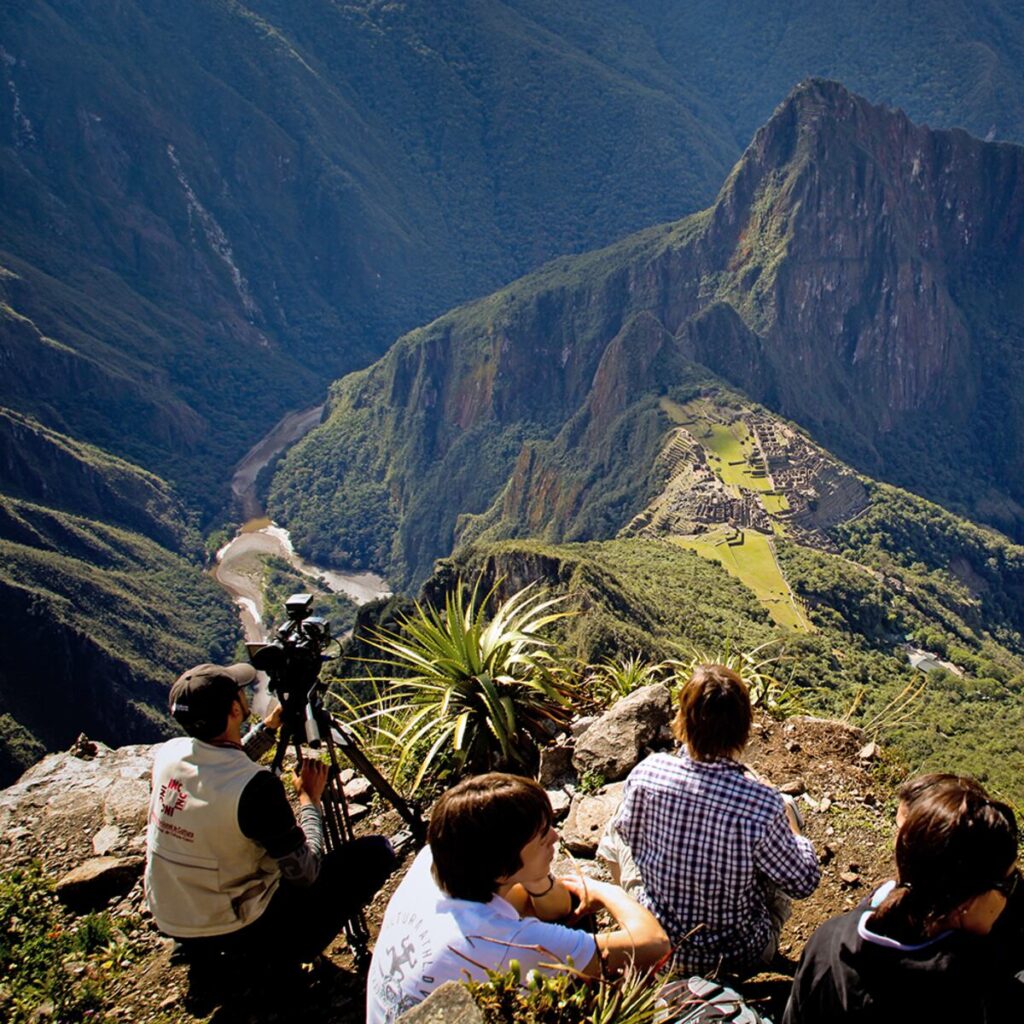
Machu Picchu Mountain
For those seeking a panoramic hike with breathtaking views of the Andes, Machu Picchu Mountain is an outstanding alternative. From the summit, the sanctuary can be admired from a completely different perspective — sweeping, vast and unforgettable.

The Intihuatana
The Intihuatana is one of the most famous structures within Machu Picchu. This monument carved directly into the rock was used by the Incas for astronomical observations and religious ceremonies tied to the worship of the sun.
Its name means "the place where the sun is tied," and it remains one of the most powerful symbols of the Inca legacy.
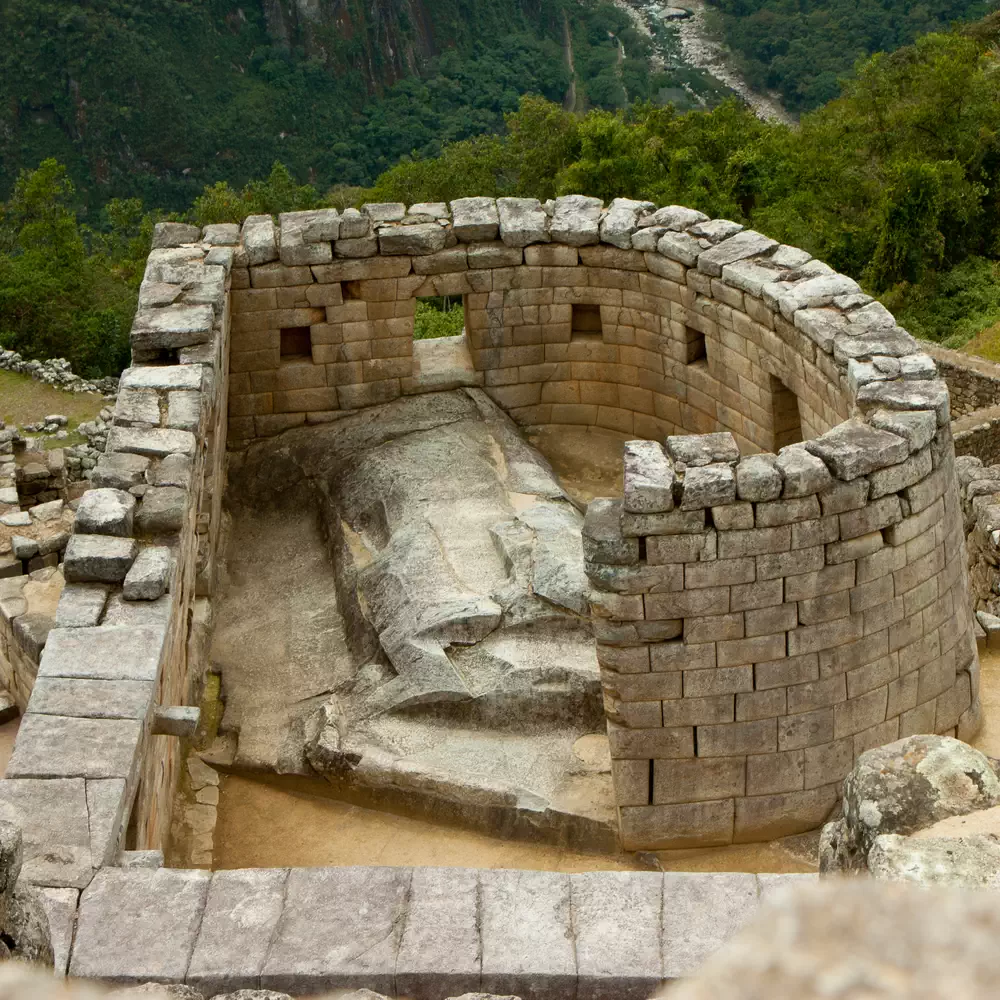
Temple of the Sun
Considered one of the most important buildings of the archaeological complex, the Temple of the Sun stands out for its rare semi-circular design and its impeccable stonework. Researchers believe it functioned as an astronomical observatory and a restricted ceremonial space.
Further discoveries
Five more essential sites within the sanctuary, each with its own story to tell.
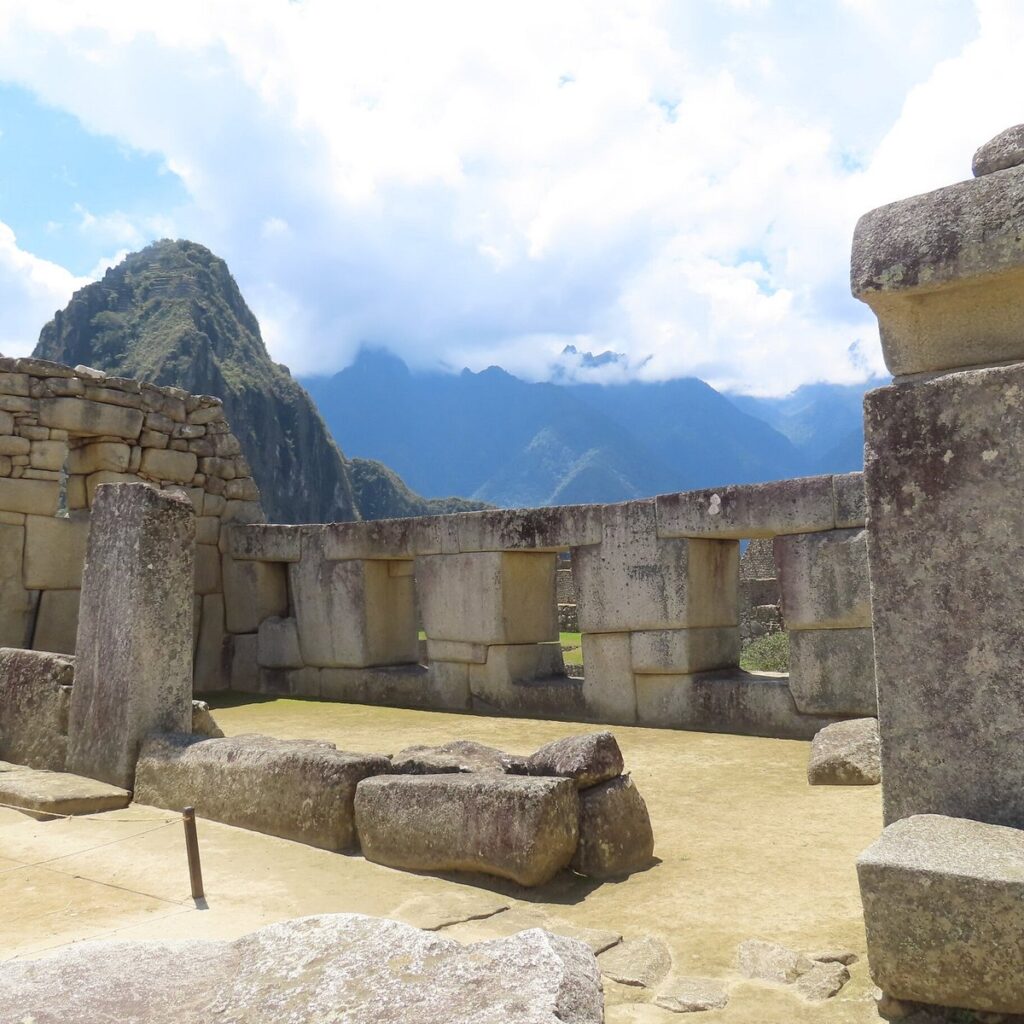
Temple of the Three Windows
Located in the Sacred Plaza, this temple is one of the most representative examples of Inca architecture. Its massive stone blocks and three trapezoidal windows make it one of the most photographed spots in the entire citadel.
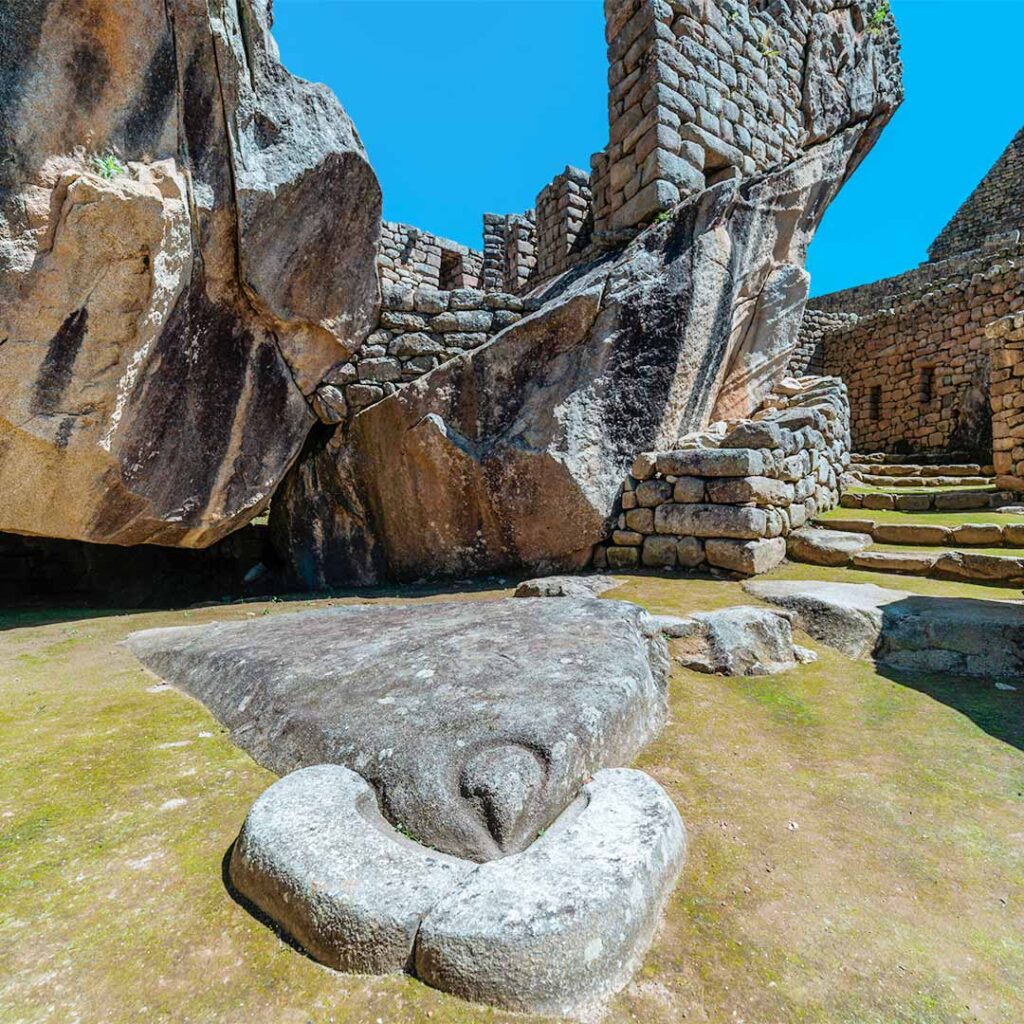
Temple of the Condor
This remarkable structure blends natural rock formations with carved stones to represent the figure of a condor — one of the most sacred birds within Andean cosmology.

Intipunku · The Sun Gate
Intipunku was the original main entrance to Machu Picchu for those arriving via the classic Inca Trail. This viewpoint offers one of the most breathtaking panoramic vistas of the sanctuary.
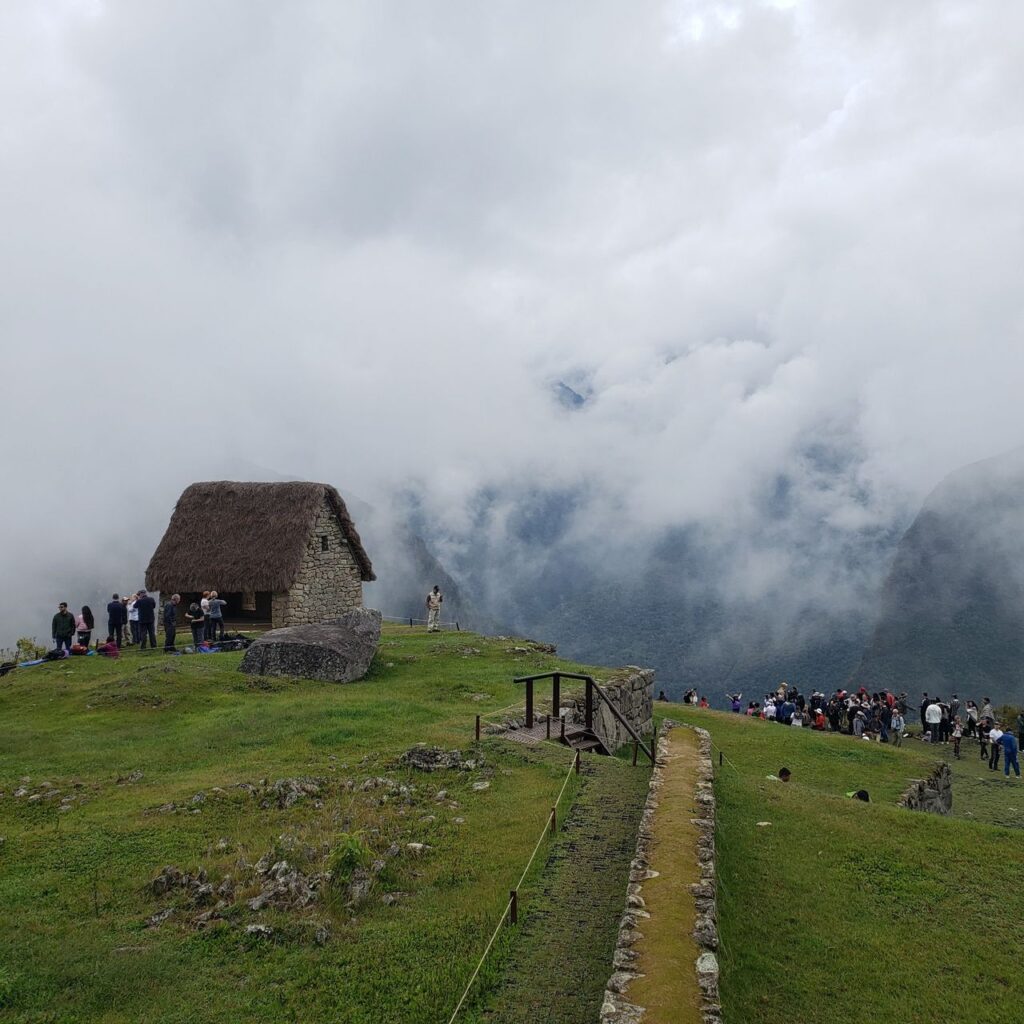
The Guardian's House
One of the most visited viewpoints of Machu Picchu, and the exact spot where the classic postcard photographs of the citadel are taken. From here, the entire archaeological complex unfolds in a single frame.
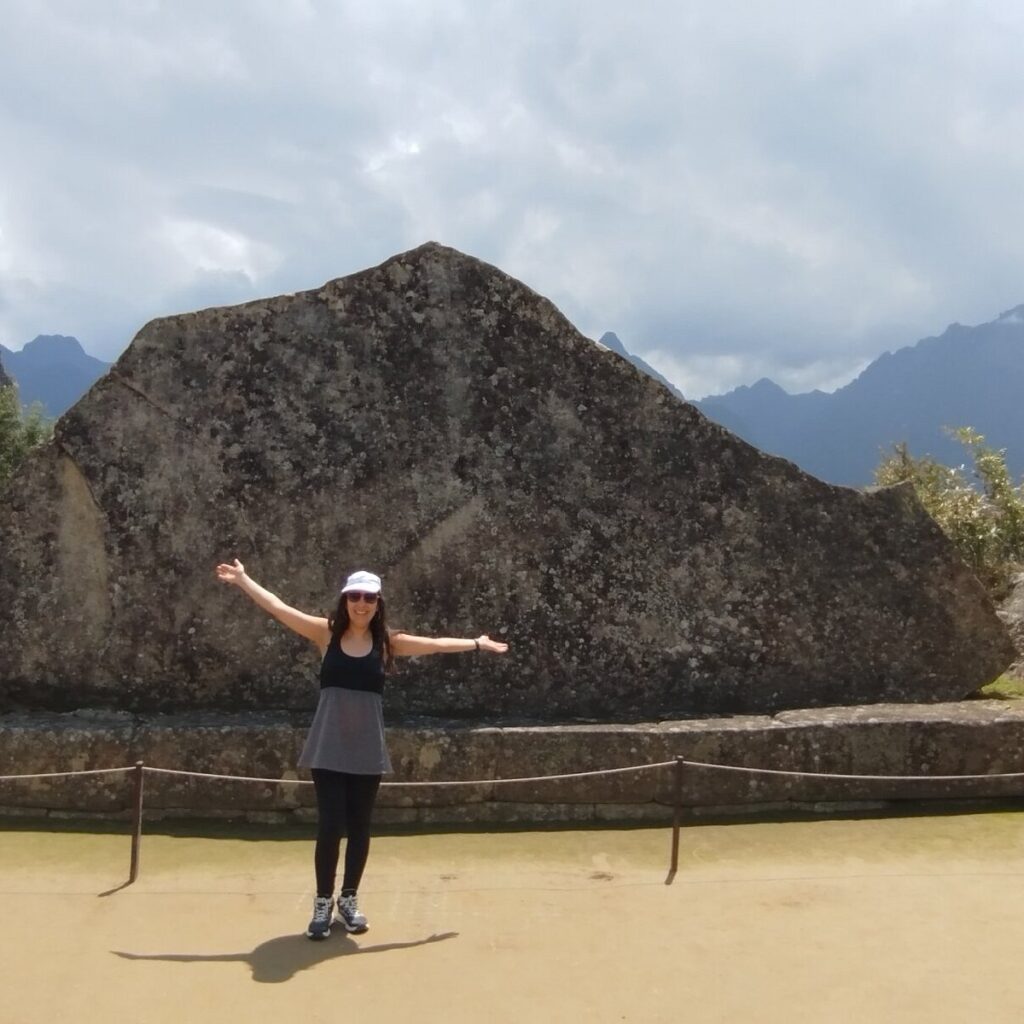
The Sacred Rock
One of the most important ceremonial spaces in Machu Picchu. This immense carved monolith is closely tied to Inca religious beliefs and to the worship of the Apus — the sacred mountain spirits of the Andes.
Aguas Calientes · the gateway
Aguas Calientes — also known as Machu Picchu Pueblo — is the closest town to the historical sanctuary. Surrounded by mountains and lush nature, it offers a wide variety of hotels, restaurants, cafés and artisan markets.
Most travelers spend at least one night here before or after visiting Machu Picchu, making it the natural resting point of any journey to the citadel.
The hot springs of Aguas Calientes
The town's famous natural hot springs are one of its main attractions. After exploring Machu Picchu or hiking through the Andes, soaking in these thermal pools surrounded by towering mountains is the perfect way to relax, recover and mark the end of an unforgettable day.
Is Machu Picchu worth visiting?
Absolutely. Machu Picchu is far more than an archaeological site — it is an experience that weaves together history, culture, adventure and some of the most extraordinary landscapes in South America.
Walking through its ancient temples, contemplating the Andean peaks, uncovering the mysteries of the Inca civilization and standing before one of the world's greatest wonders makes Machu Picchu an essential destination for any journey through Peru.
If you are planning a trip to Peru, Machu Picchu deserves a place at the very top of your itinerary.

Andean Peru
Machu Picchu, Nazca Lines, Colca Canyon, Cusco and the Sacred Valley.
Discover Route
Majestic Peru
Machu Picchu, Huacachina Oasis, Cusco and the waters of Lake Titicaca.
Discover Route
Peruvian Journey
A deep dive through Machu Picchu, Cusco and Lake Titicaca.
Discover Route