
The Sacred Valley of the Incas
A complete guide to the most breathtaking destination near Cusco — its history, its living villages, and everything you should know before you go.
The fertile heart of the Inca Empire.
The Sacred Valley of the Incas is one of the most spectacular destinations in Peru and an essential stop for anyone traveling between Cusco and Machu Picchu. Surrounded by imposing Andean mountains, ancient archaeological sites, traditional villages and fertile farmland, this valley was one of the most important territories of the Inca Empire.
Located between Cusco and Machu Picchu, the Sacred Valley combines history, culture, nature and adventure in a single destination. Its striking landscapes, pleasant climate year-round and extraordinary archaeological legacy make it one of the most visited places in South America.
Today, thousands of travelers explore the Sacred Valley to discover the ancient Inca cities of Pisac and Ollantaytambo, visit the famous Maras salt terraces, admire the circular platforms of Moray and experience authentic encounters in Andean communities that still preserve ancestral traditions.
The agricultural cradle of an empire
During the height of the Inca Empire, the Sacred Valley was one of the most important regions for agriculture, administration and territorial expansion. Thanks to its privileged climate, abundant water and fertile lands, the Incas developed advanced agricultural systems here that fed the city of Cusco and much of the empire.
The valley was connected by an extensive network of roads and strategically positioned administrative centers. Prominent Inca rulers such as Pachacutec, Túpac Yupanqui and Huayna Cápac built palaces, temples, agricultural terraces and fortresses that can still be seen throughout the region.
Today, the Sacred Valley preserves some of the most impressive archaeological complexes in Peru and offers one of the best opportunities to understand the true grandeur of the Inca civilization.
Between Cusco and Machu Picchu
The Sacred Valley of the Incas lies in the Cusco region, approximately 30 kilometers northeast of the city of Cusco. It stretches along the course of the Urubamba River — known in its upper section as the Vilcanota — passing through some of the most important towns in the region, including Pisac, Calca, Yucay, Urubamba, Maras, Chinchero and Ollantaytambo. Thanks to its strategic location, the Sacred Valley is one of the most popular excursions for anyone visiting Peru.
Elevation across the valley
One of the great advantages of the Sacred Valley is that it sits at a lower altitude than Cusco, which makes acclimatization much easier for most travelers. This difference in elevation turns the Sacred Valley into an excellent place to rest before visiting Machu Picchu or attempting more demanding hikes.
A privileged Andean climate
The Sacred Valley enjoys one of the finest climates in the Cusco region. Daytime temperatures generally range between 18°C and 24°C (64°F to 75°F), while nights are noticeably cooler. The moment you choose to visit shapes the atmosphere of your journey.
Considered the best time to visit thanks to clear skies and excellent conditions for outdoor activities. Ideal for hiking, photography and exploring the archaeological sites.
The landscape turns lush and vividly green, offering spectacular scenery for photography and cultural tourism. Occasional rainfall requires waterproof clothing.
What awaits along the valley
Every village along the Urubamba tells its own story. Discover the archaeological sites and traditional towns that define the Sacred Valley.
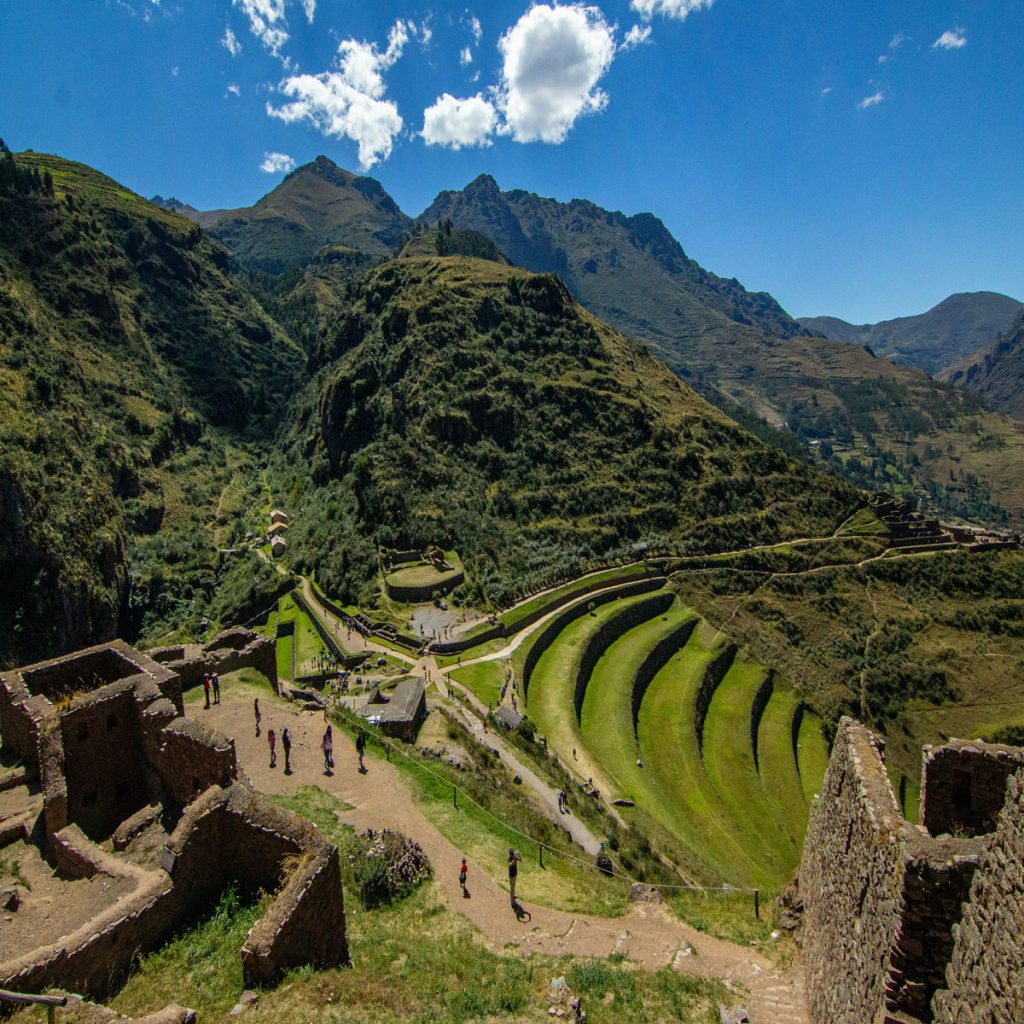
Pisac
Pisac is one of the most famous villages in the Sacred Valley, known for its impressive archaeological complex and its traditional artisan market. Set atop a mountain overlooking the valley, the Inca citadel of Pisac features spectacular agricultural terraces, ceremonial temples, hydraulic systems and some of the finest panoramic views in the region.
The Pisac market is one of the most well-known in Peru — an excellent place to find handicrafts, textiles, jewelry and souvenirs made by local artisans.
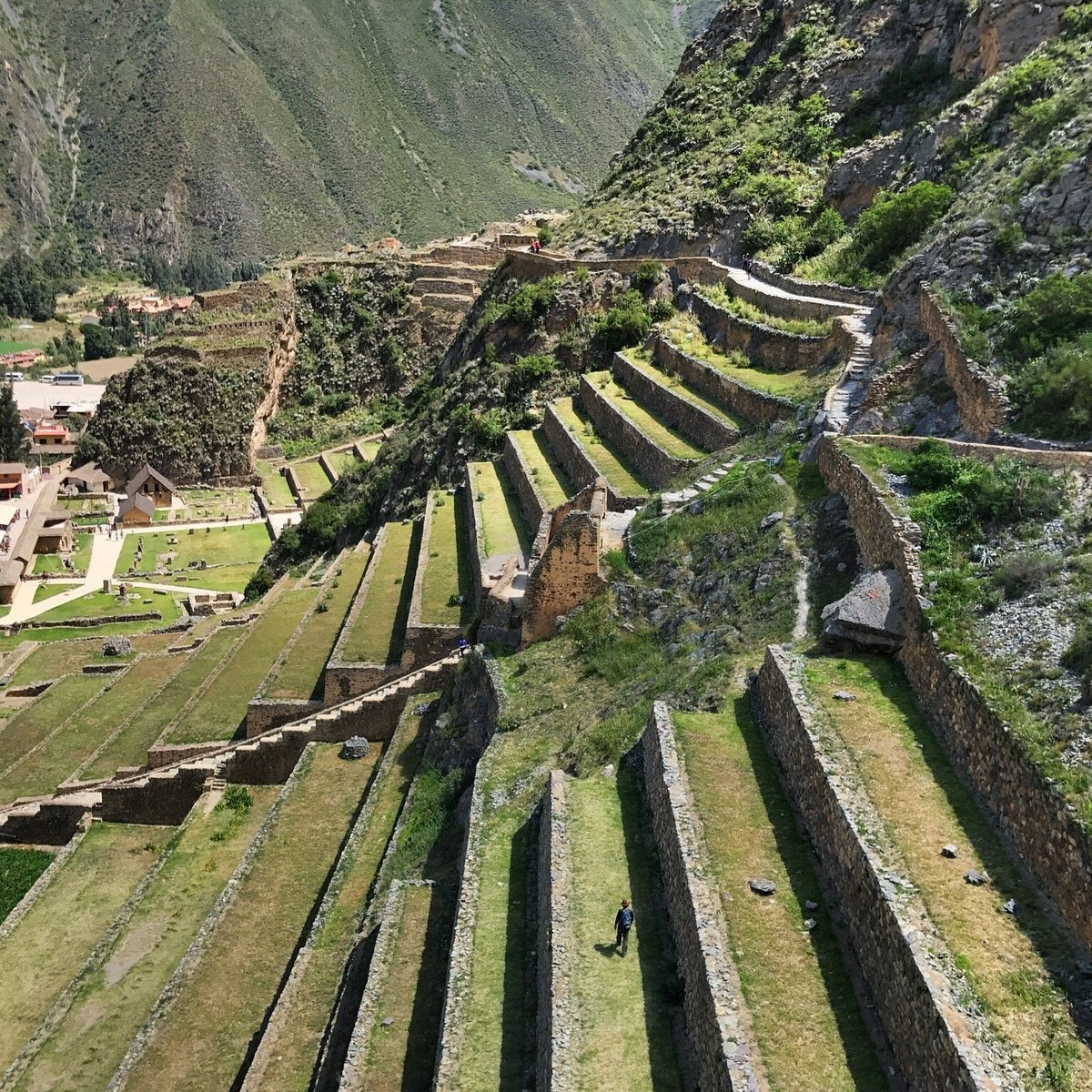
Ollantaytambo
Ollantaytambo is considered one of the best-preserved Inca towns in the Americas and one of the most important archaeological gems in Peru. Its cobblestone streets, original water channels and stone constructions retain much of the urban design developed during the Inca Empire.
Today, Ollantaytambo also serves as the main railway station for travelers heading to Machu Picchu.
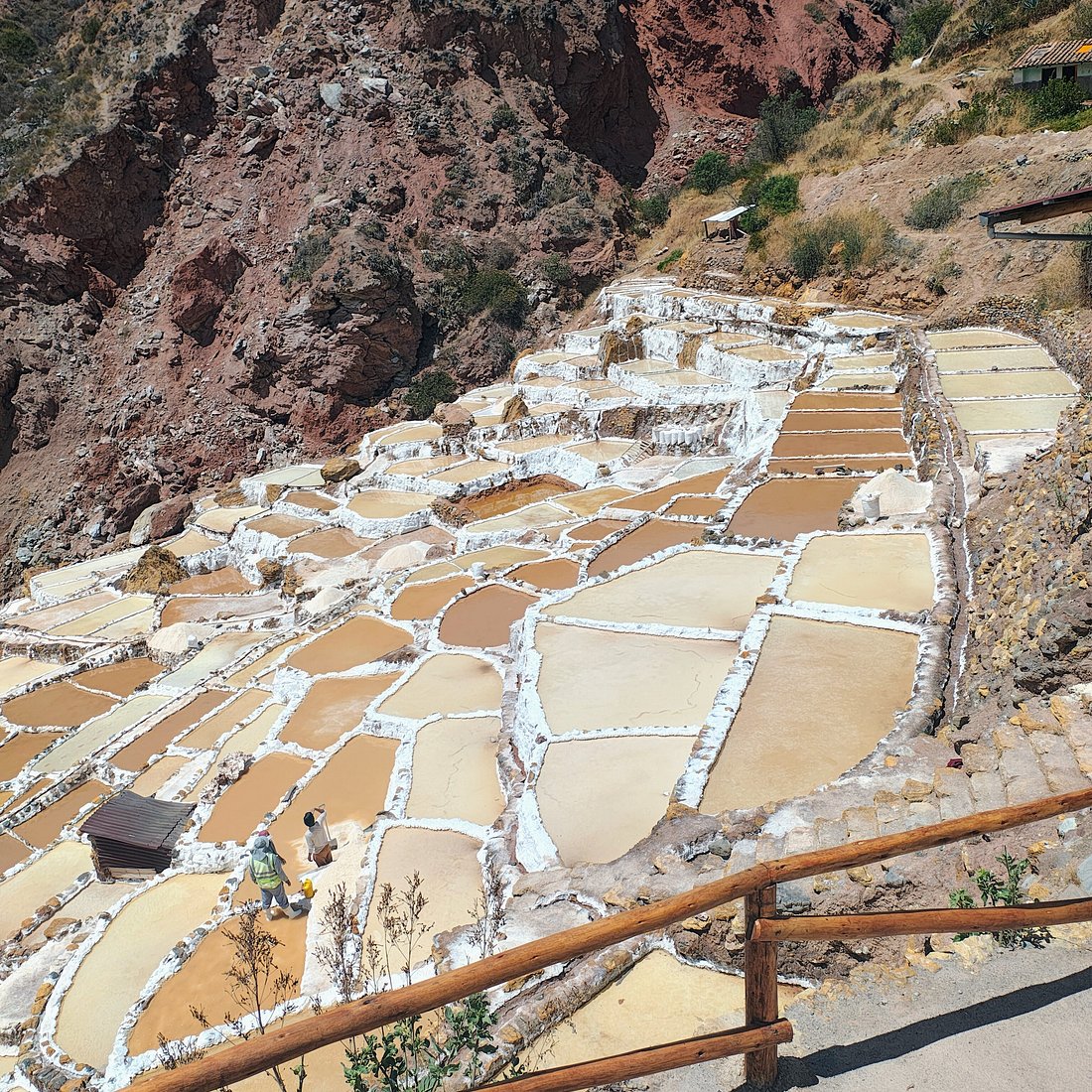
Maras · the salt mines
The Maras salt terraces are one of the most striking landscapes in the Sacred Valley. Formed by thousands of evaporation pools used since pre-Inca times, they continue to produce salt in the same traditional way to this day.
The contrast between the white salt pools and the surrounding Andean mountains creates one of the most photographed scenes in all of Peru.

Moray
Moray is one of the most fascinating archaeological sites in the region. Its enormous concentric circular terraces functioned as an Inca agricultural laboratory, where different crops and microclimates were tested and studied.
The precision of its design and the complexity of its engineering make Moray one of the most intriguing stops in the Sacred Valley.
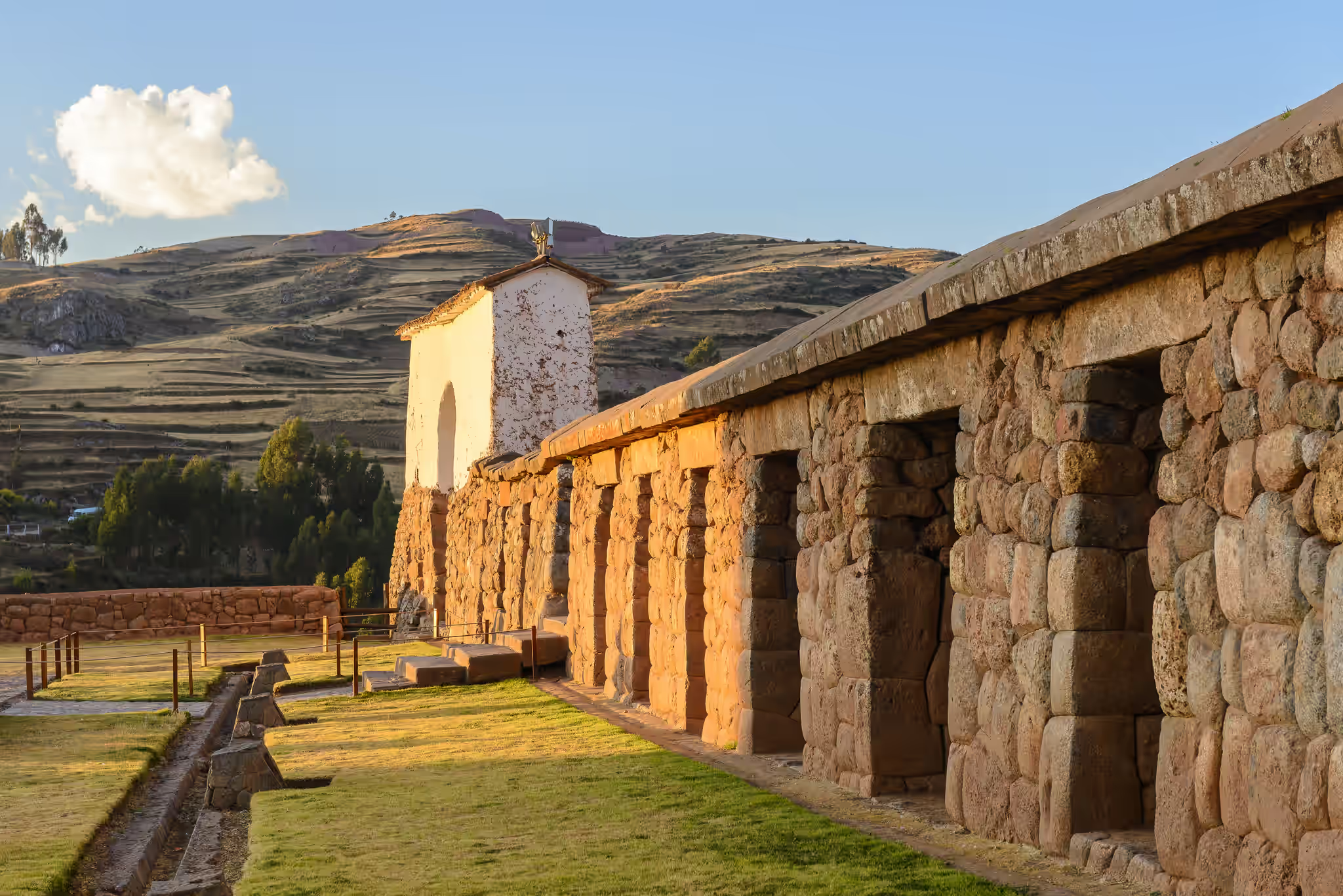
Chinchero
Known as the "Village of the Rainbow," Chinchero is famous for its Andean traditions, its textile centers and its impressive archaeological remains. Visitors can learn ancestral weaving techniques passed down from generation to generation for centuries.
The panoramic views of the snow-capped peaks and the Sacred Valley from here are simply spectacular.
Further essentials
Five more experiences that complete any journey through the Sacred Valley.
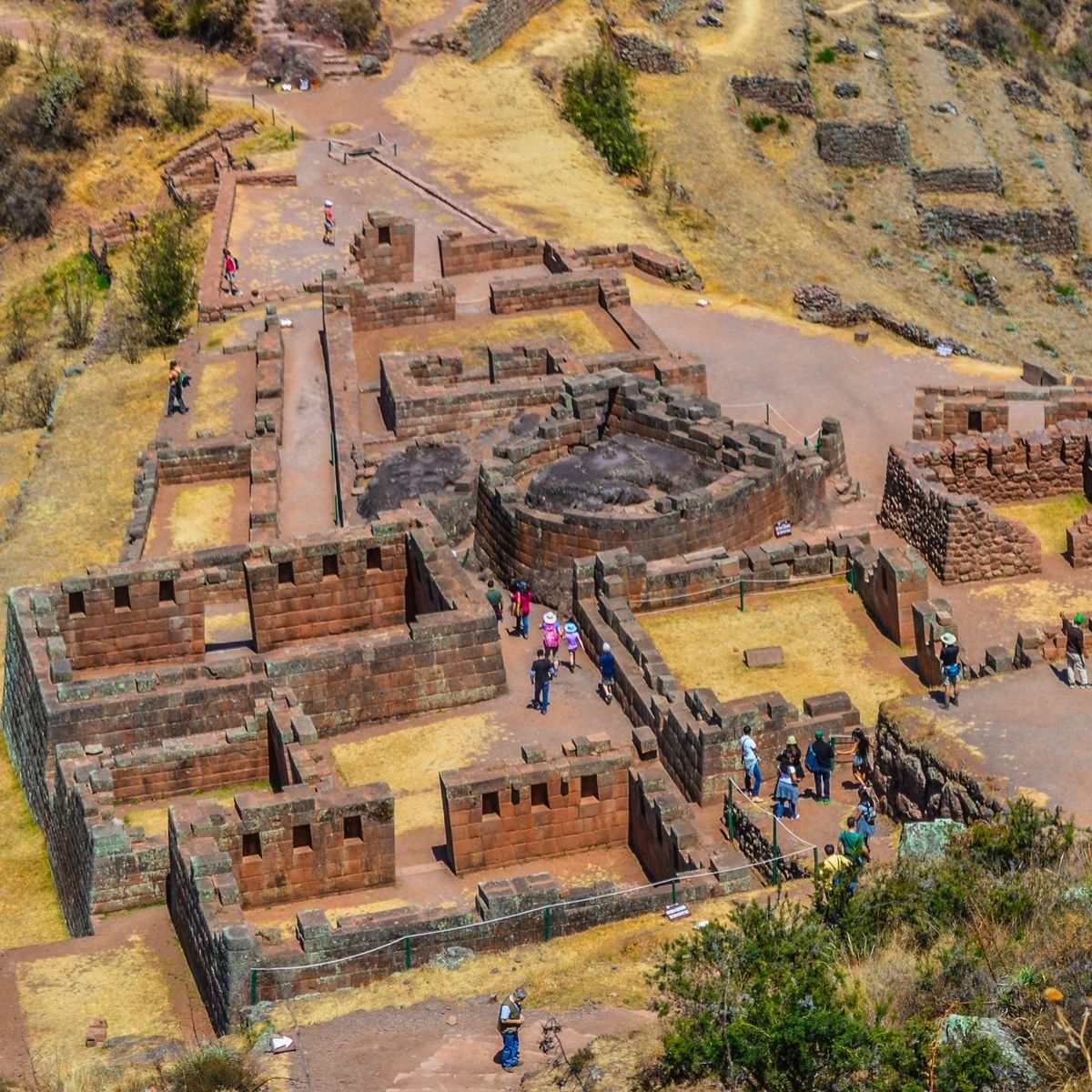
Temple of the Sun of Pisac
Considered one of the most important sectors of the Pisac archaeological complex, the Temple of the Sun stands out for its extraordinary stonework and for the astronomical and ceremonial functions it once served during the Inca era.
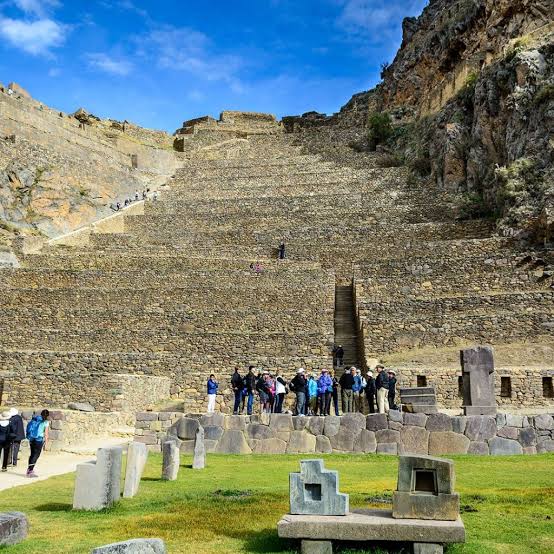
Fortress of Ollantaytambo
The monumental fortress of Ollantaytambo was one of the empire's main administrative, military and ceremonial centers. From its terraces you'll find some of the most impressive views of the Sacred Valley — and this is where the Incas won one of their few battles against the Spanish conquistadors.
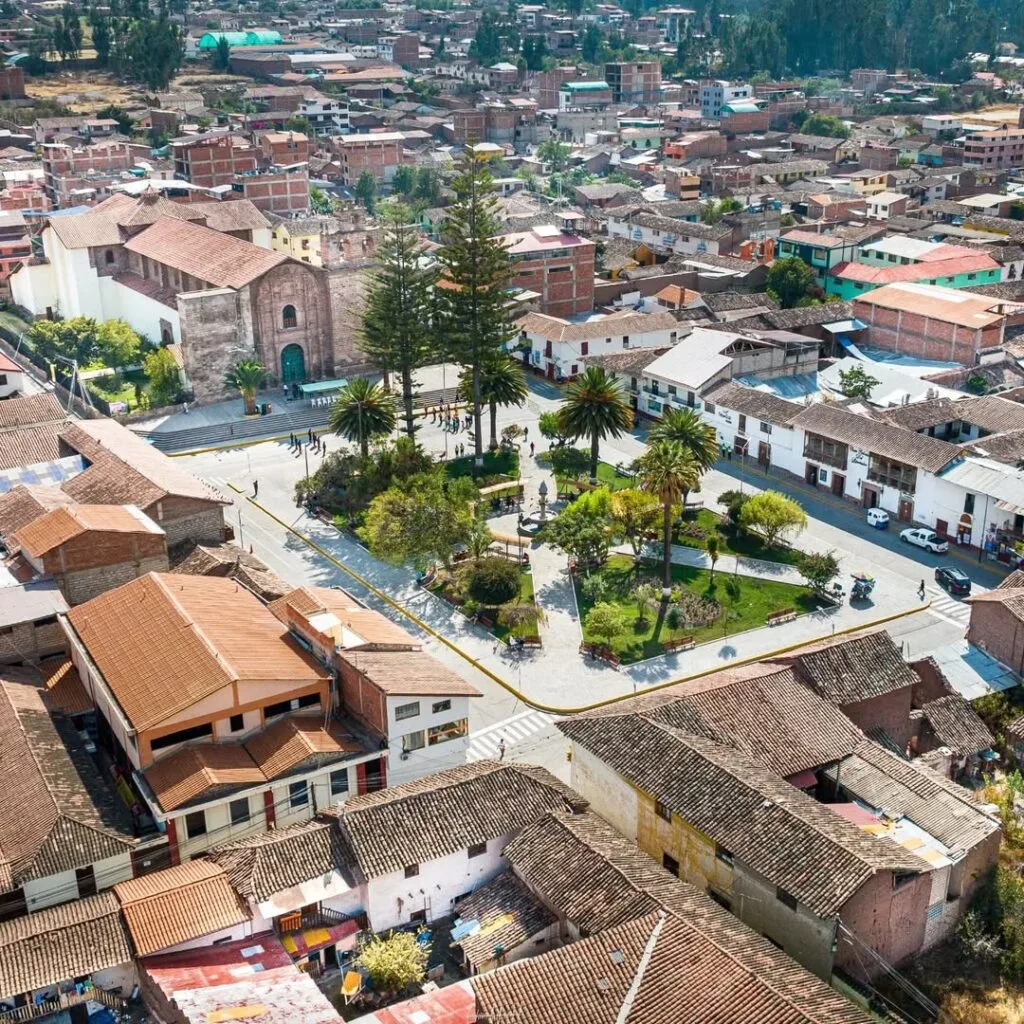
Urubamba
Known as the heart of the Sacred Valley, Urubamba is one of the most important towns in the region and an excellent base for exploring the surrounding attractions. Its pleasant climate, gastronomy and top-tier hotels make it a favorite place to stay.
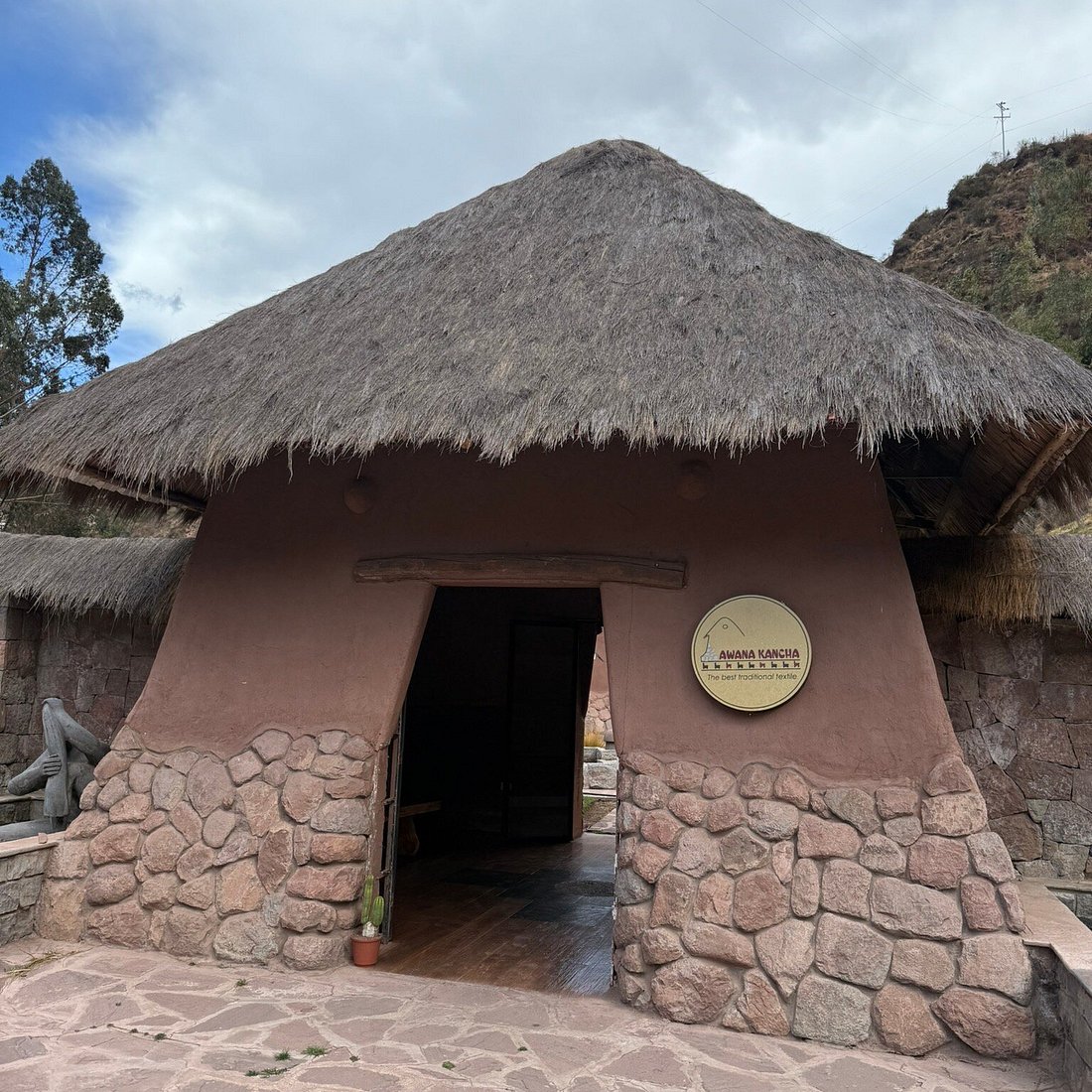
Awana Kancha
Located on the way to Pisac, Awana Kancha offers a rare chance to encounter llamas, alpacas, vicuñas and guanacos up close — and to discover the traditional dyeing and weaving processes used by Andean communities for centuries.
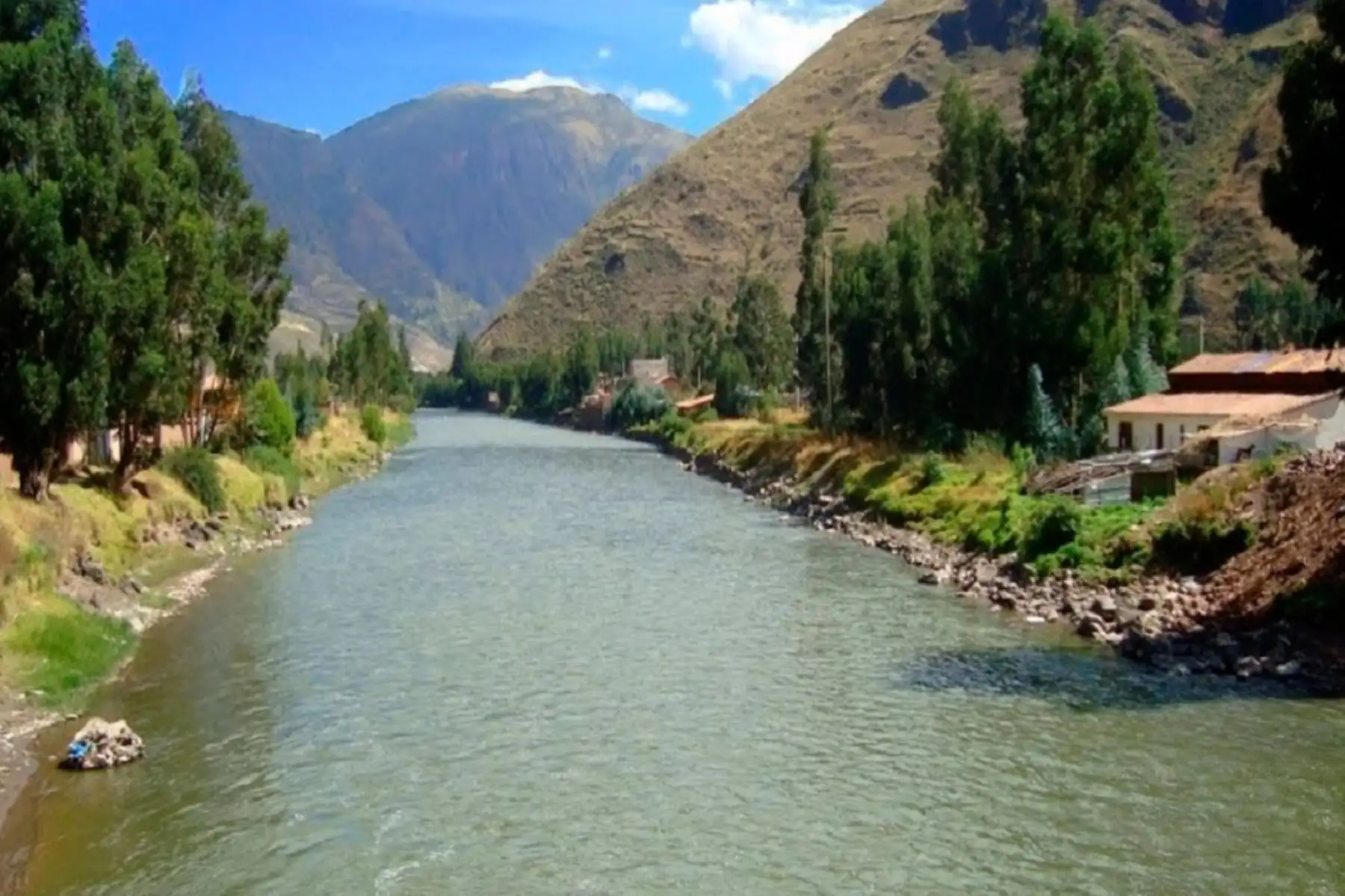
The Urubamba River
The Urubamba River — also called the Vilcanota in its upper reaches — is the natural spine of the Sacred Valley. Its course shaped the fertile lands the Incas farmed and today defines the route between Cusco, Ollantaytambo and Machu Picchu.
Is the Sacred Valley worth visiting?
Absolutely. The Sacred Valley of the Incas is far more than a day trip from Cusco. It is a destination that brings together some of the most beautiful landscapes in Peru, impressive archaeological sites, villages full of history and unique cultural experiences.
Whether you are exploring the ruins of Pisac, walking through the fortress of Ollantaytambo, admiring the salt terraces of Maras or enjoying the privileged climate of Urubamba, the Sacred Valley delivers an unforgettable experience for any traveler seeking to discover the true heart of Inca culture.
If Machu Picchu is on your list, the Sacred Valley deserves to be right beside it.

Andean Peru
Machu Picchu, Nazca Lines, Colca Canyon, Cusco and the Sacred Valley.
Discover Route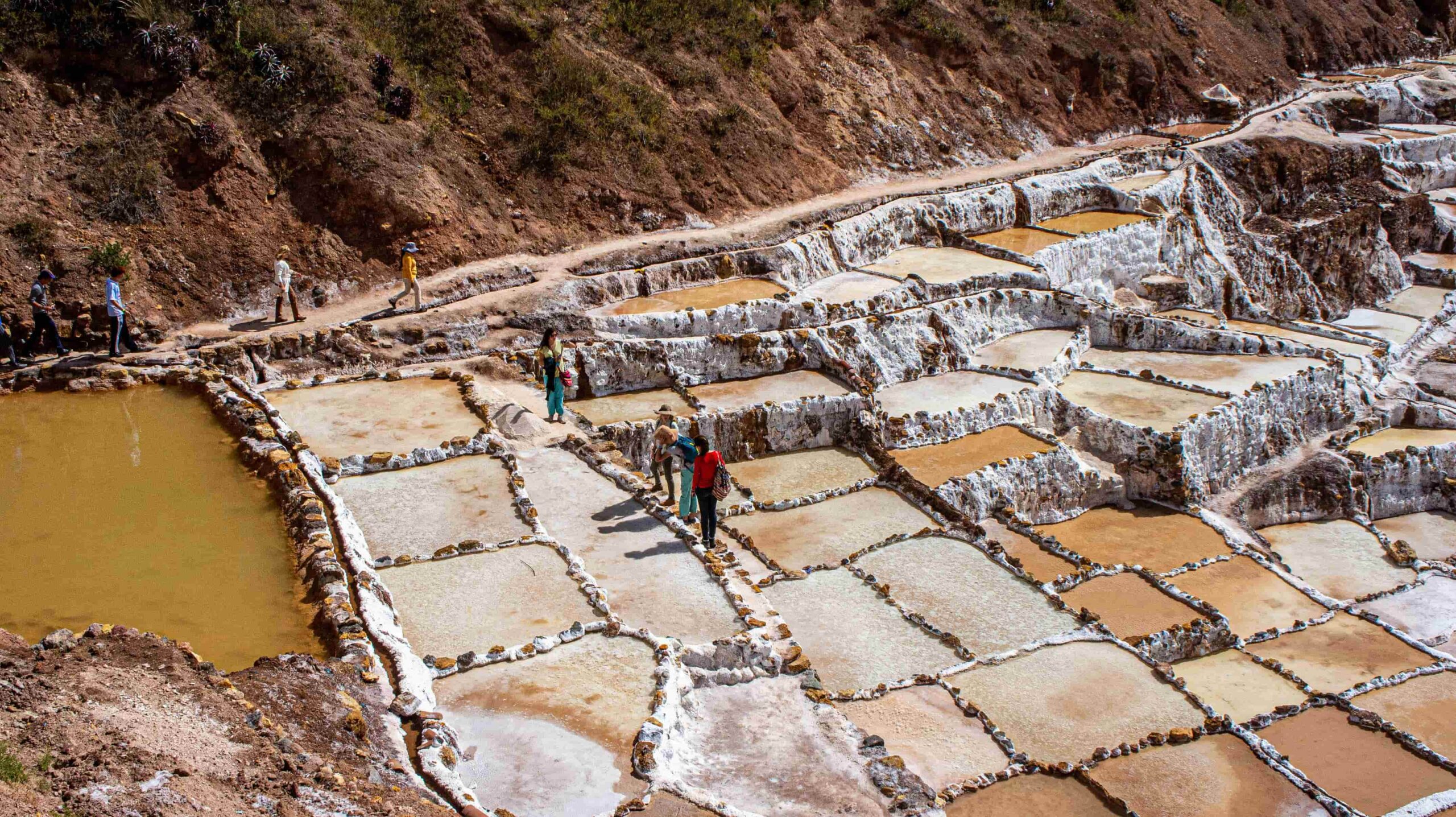
Majestic Peru
Machu Picchu, Huacachina Oasis, Cusco and the waters of Lake Titicaca.
Discover Route
Peruvian Journey
A deep dive through Machu Picchu, Cusco and Lake Titicaca.
Discover Route